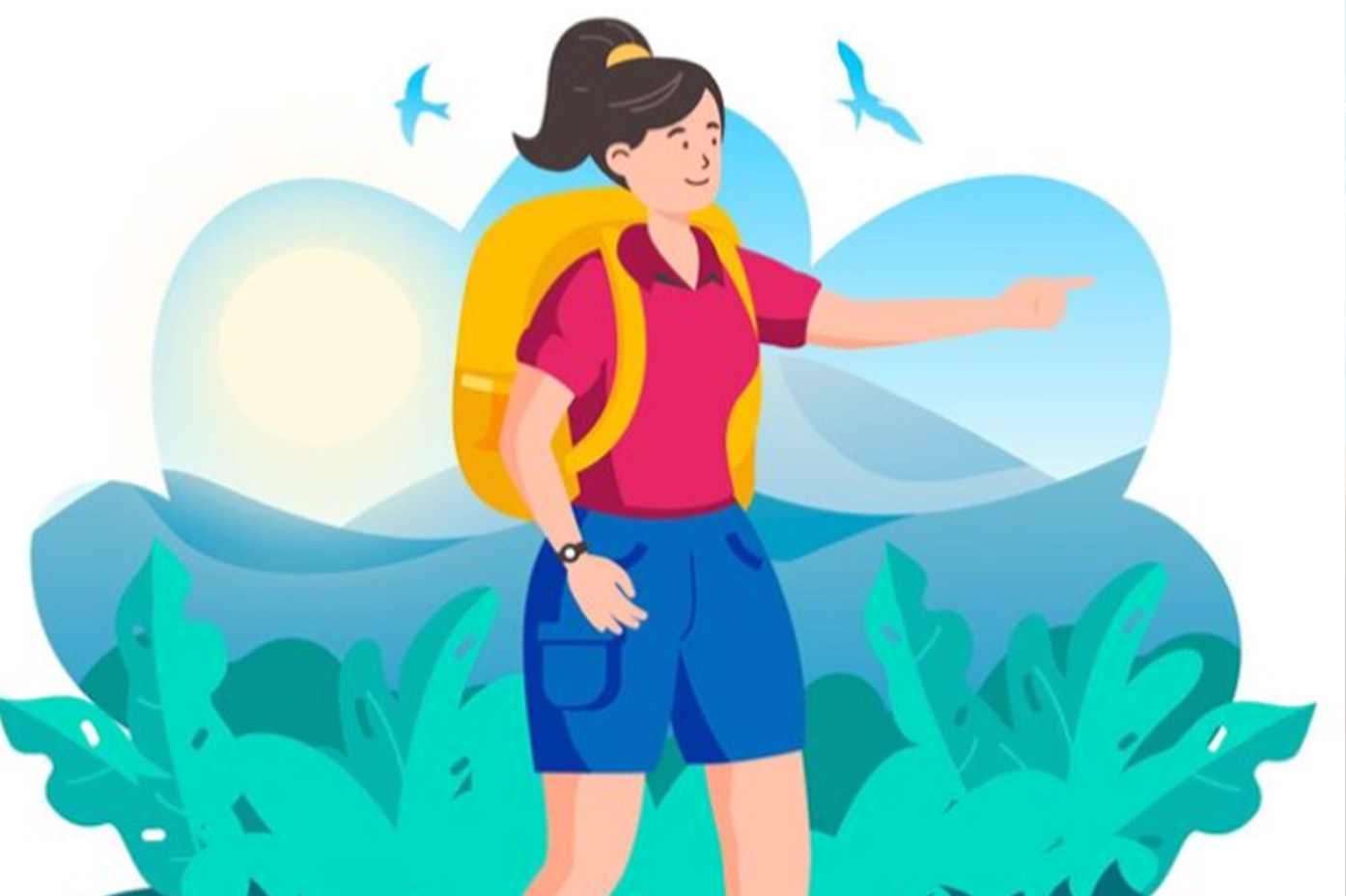
According to nutrition and fitness expert Varnit Yadav (Lucknow, India), rucking can be simply understood as walking combined with carrying additional weight, usually in a backpack. The weight carried can be adjusted flexibly, suitable for each person's fitness and goals. The special feature of rucking is that it does not require a gym or specialized machinery, it can be done in parks, streets, trails or right around residential areas.
What benefits does rucking bring?
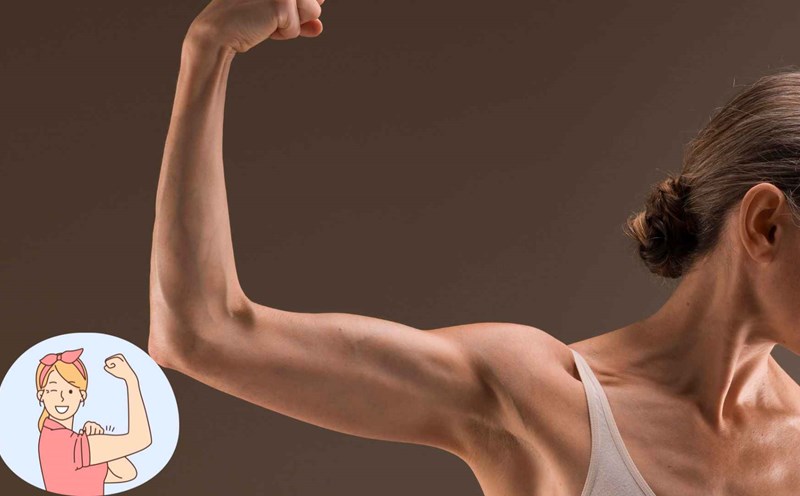
Enhance muscle strength: When carrying more weight while walking, the muscle groups in the legs, back and central muscle area must be more active than normal walking. As a result, muscles become firm and endurance is improved over time.
Burn more calories: Carrying more load causes the body to burn more energy. This helps support fat reduction and effective weight control, especially suitable for people who do not like high-intensity exercises.
Improve cardiovascular health: When rucking, bringing more weight makes the heart work harder to provide enough oxygen to the body. As a result, cardiovascular endurance is significantly improved, while pressure on joints remains low, suitable for middle-aged people and those who are just starting to exercise.
Beneficial for bones and joints: This is a form of weight-bearing exercise, which helps stimulate bone density and maintain a strong bone system. This is especially important in preventing osteoporosis in old age.
Improve posture and coordination: Carrying a backpack properly helps exercisers keep their back straight and activate muscles to stabilize the body. As a result, posture and balance are improved. For the elderly, you should start with a short distance and light weight.
Support mental health: Walking outdoors combined with exercise helps reduce stress, improve mood and create a relaxing feeling. Rucking is a form of exercise that is easy to maintain for a long time, bringing benefits both physically and mentally.
How to start safe rucking
According to experts, beginners should start with a weight of about 5-10% of their body weight, use a solid backpack and suitable shoes. Weight or distance should be gradually increased to avoid injury. The most important thing is to maintain the right posture and listen to the body's reactions during exercise.
Rucking is a simple but effective form of exercise, suitable for many subjects. When done properly, this exercise can become a sustainable health training solution for modern life.