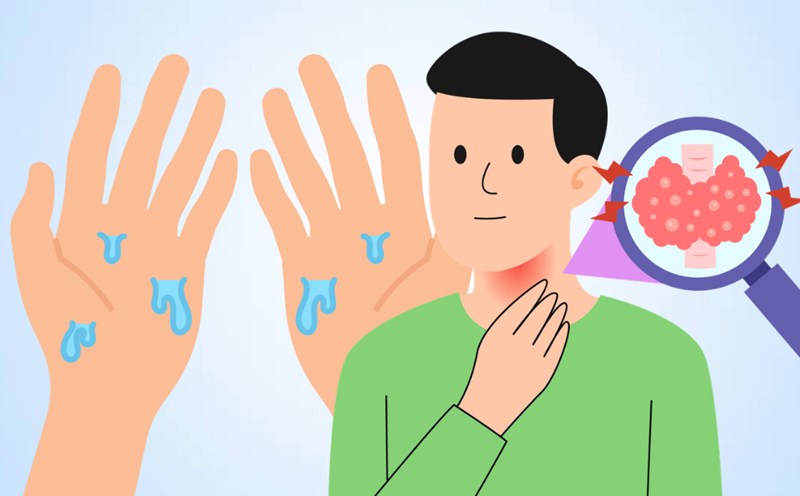
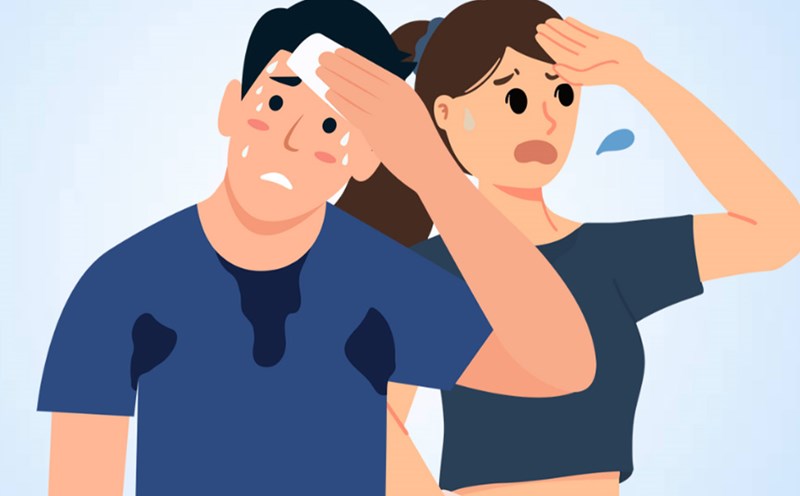
The human body always needs to maintain a stable temperature for organs to function normally. When the weather heats up, especially in high humidity conditions or when exercising vigorously, the body will activate the sweating mechanism to cool down and release heat.
According to Dr. Nilesh More, an internist consultant at the Hospital and Medical Research Center PD Hinduja Mahim (India), the body must constantly balance the amount of heat generated from metabolism, exercise and the amount of heat to be excreted. When body temperature increases, the brain will receive a signal that the body is overheated and activate a sweating mechanism to cool down.
Sweat is mainly water. When it appears on the skin surface, sweat will evaporate and absorb heat from the body to switch from liquid to steam. This process helps cool down and keep body temperature stable. This is considered the most important natural cooling mechanism of the body in hot weather.
Experts say the body cools down more effectively when the weather is dry, because sweat can evaporate quickly from the skin surface. Conversely, when the air humidity is high, sweat is more difficult to evaporate, so the body's ability to cool down decreases. Therefore, many people still feel stuffy and tired despite sweating a lot. If prolonged, the body is also at risk of dehydration.
In addition to sweating, the body also supports cooling by dilating blood vessels under the skin. When blood vessels dilate, hot blood from inside the body is brought closer to the skin surface, helping heat easily escape into the environment.
There are two main types of sweat glands on the body. Extracorporeal sweat glands are distributed throughout the body and play the most important role in regulating body temperature. Meanwhile, apocrine glands are concentrated in the armpits and groin area, often active when stressed or emotional and more related to body odor.
If the body's thermoregulatory mechanism is overloaded, the body may experience many disorders due to heatstroke. Common problems include heat rash, cramps due to electrolyte loss, heat exhaustion, and most seriously heatstroke. This is a medical emergency that occurs when the body is no longer able to cool itself effectively, causing the temperature to rise too high.
This risk often increases in people who work outdoors for a long time, exercise at high intensity in hot weather, or do not get enough water. People with cardiovascular disease, diabetes, kidney failure, or sweating disorders are also more likely to be affected.
Although causing discomfort, sweating is still a necessary mechanism to protect the body from hot weather. Drinking enough water, taking reasonable rest and limiting outdoor activities during hot weather can help the body regulate temperature more effectively.