Waking up soaked in sweat can make many people worried. If this situation is repeated frequently and wets clothes and blankets, it may be a sign of potential health problems.
According to Dr. Mahesh - an endocrinologist at Aster CMI Hospital, night sweating is not a disease but a symptom, which may be related to hormonal, metabolic, infectious or lifestyle disorders.
1. Hormonal changes
Hormone fluctuations are the most common cause. In women, pre-menopause and menopause often cause hot flashes that last until night. The decrease in estrogen disrupts the thermoregulatory mechanism, leading to increased sweating during sleep.
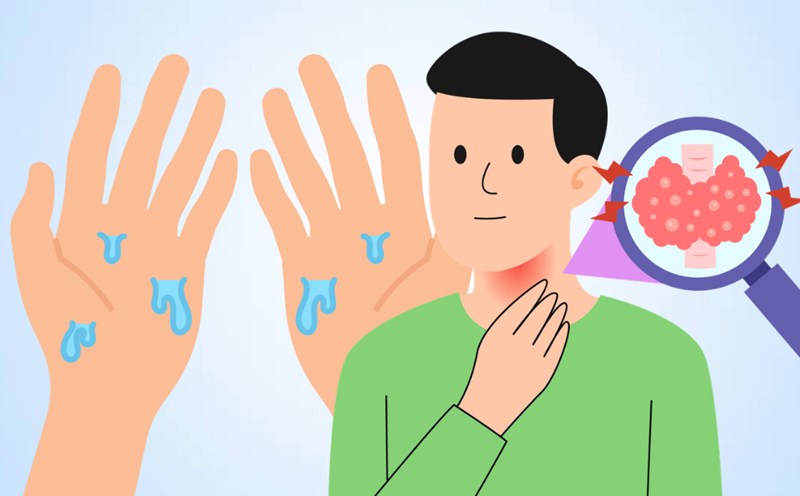
Thyroid disorders, especially hyperthyroidism, can also accelerate metabolism and body temperature. When the thyroid gland is overactive, the body is more likely to generate heat and sweat more, even during rest.
2. Infection
Some infections can cause prolonged night sweats, especially when accompanied by fever, fatigue, or unexplained weight loss. Tuberculosis is a typical example, with symptoms of prolonged night sweats. In addition, other viral or bacterial infections can also cause body temperatures to rise at night due to immune responses.
If excessive sweating is accompanied by systemic symptoms, patients should see a doctor to determine the cause.
3. Stress and anxiety
The nervous system remains active while sleeping. Stress, anxiety, or nightmares can stimulate the sympathetic nervous system, causing heart to beat faster and sweating more. People with prolonged insomnia or night terrors often experience this condition even if there is no obvious pathology.
Chronic stress also causes cortisol levels to rise, disrupting the body's temperature control mechanism.
4. Blood sugar fluctuations
Night sweating can also be associated with hypoglycemia, especially in people with diabetes who are using insulin or hypoglycemic medication. Accompanying signs may include restlessness, nightmares, headaches when waking up, and morning fatigue.
This condition needs to be closely monitored to adjust medication and diet appropriately.
When do you need to see a doctor?
Occasional sweating may not be worrying. However, you should go to a medical facility if this condition occurs frequently, wets blankets and sheets, accompanied by fever, unexplained weight loss, or prolonged fatigue.
How to control and reduce night sweats
According to Dr. Mahesh, controlling night sweats needs to depend on the cause such as endocrine disorders, blood sugar, infection or drug effects. Improving sleep and reducing stress is also very important.
You should keep the bedroom cool, wear absorbent clothes and avoid alcohol and spicy and hot food before going to bed. If the condition persists, you need to see a doctor to find the cause.