From diseases of old age to a threat to the 20th - 40th generation
Once considered a disease for the elderly, in recent years, stroke has increasingly appeared in the 20 - 40 age group. In many large hospitals, the rate of young patients has increased significantly, causing experts to continuously warn.
Dr. Vikash Goyal, senior cardiologist at paras Hospital (India), commented: Most young people are hospitalized when a stroke has occurred. They do not know they are at risk because underlying diseases silently cause no symptoms".
According to him, checking blood pressure, heart rate and screening for blood clotting disorders periodically can significantly reduce the risk.
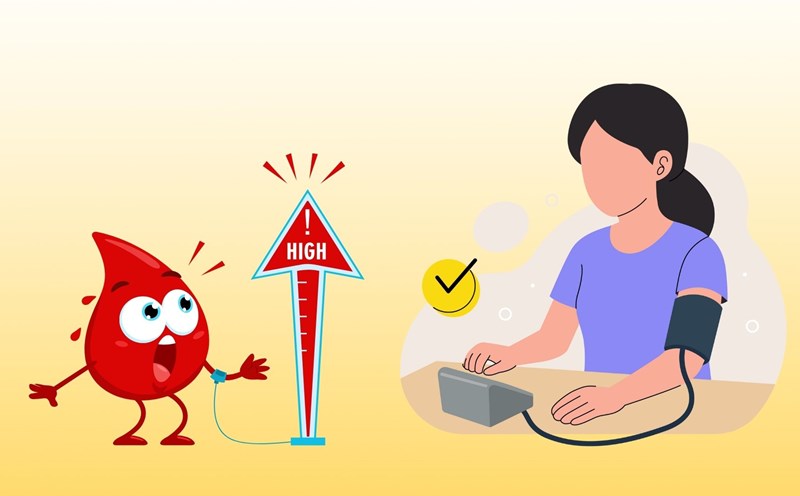
One of the most common culprits is high blood pressure, which is "younging" due to a lack of exercise lifestyle, prolonged stress and salty eating. High blood pressure weakens blood vessel walls, creating conditions for blood clots to form and flow to the brain.
In many young people, undiagnosed heart diseases such as arrhythmia or genitalital obstruction (PFO) are also the cause of early stroke. These abnormalities cause blood to stagnate, easily creating thrombosis.
Unexpected dangerous factors
In addition to cardiovascular disease and high blood pressure, many other disorders also silently push young people closer to the risk of stroke.
Dysbiosis of blood clotting, whether genetic or geodematic, makes the body susceptible to abnormal blood clots. People with a family history of early stroke need to be screened early.
In women, birth control pills containing estrogen can increase the risk of blood clots, especially when combined with smoking or being overweight. Doctors recommend choosing safer contractility, suitable for blood vessel health.
People with autoimmune diseases such as lupus or inflammation also face a high risk of stroke because blood vessel walls are vulnerable, narrow or clogged.
Notably, after severe infections, including COVID-19, the body may experience a strong inflammatory reaction, causing blood clotting disorder. Many young patients have a stroke after a few weeks of recovery without realizing that it is a consequence of prolonged inflammation.
Stroke is not a random accident. It is the result of silent health uncertainties accumulated over time. For young people, proactively listening to their bodies, checking regularly and maintaining a healthy lifestyle is a protective shield against this unpredictable incident.