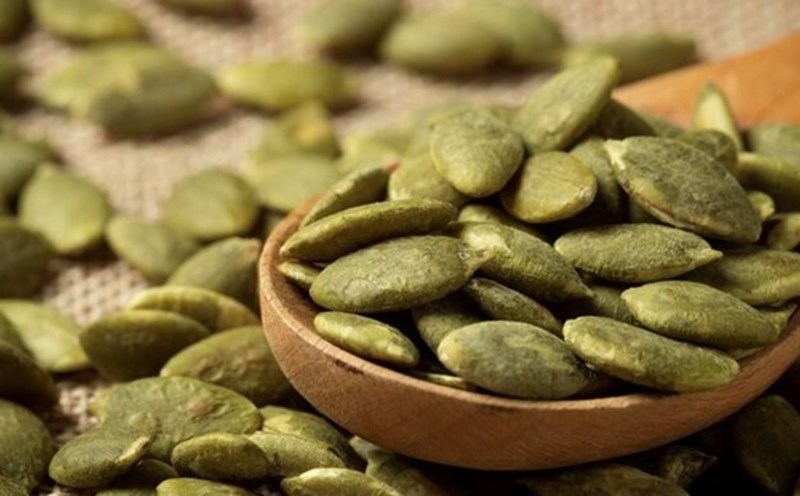
Pumpkin seeds and cashews are both nutritious snacks, providing protein, good fats and many essential micronutrients for the body. Despite many similarities in energy, these two types of seeds still have clear differences in mineral components and fat structure, thereby affecting the health benefits they bring.
Considering a portion of about 28 grams, the nutritional value of the two types of nuts is quite equivalent. Pumpkin seeds provide about 166 calories and 6 grams of protein, while cashews contain about 170 calories and 5 grams of protein. Both have about 12 grams of fat and a small amount of fiber, showing that these are both convenient energy sources, suitable for supplementing the daily diet.
The outstanding difference lies in the mineral content. Pumpkin seeds are superior with significantly higher levels of magnesium, phosphorus and potassium than cashews. These minerals play an important role in maintaining muscle and nerve function, supporting strong bones and contributing to stabilizing blood pressure. Meanwhile, cashews still provide these micronutrients but at a lower level, but in return have a fatty, easy-to-eat flavor and are more popular in dishes.
Regarding fat, both types of nuts mainly contain unsaturated fats, which are considered beneficial for cardiovascular health. These fats help reduce LDL cholesterol (bad cholesterol), thereby reducing the risk of heart disease and stroke. However, the specific ingredients are different: pumpkin seeds contain more unsaturated fats, while cashews are rich in monounsaturated fats. Both types of fat are beneficial, but monounsaturated fats are often highly appreciated for supporting cardiovascular health.
One point to note is that both pumpkin seeds and cashews are not significant sources of omega-3. Therefore, if your goal is to supplement omega-3 from plants, you should consider other options such as walnuts.
Choosing which type of seed depends on specific nutritional goals. If you need to supplement minerals, especially magnesium, pumpkin seeds are a prominent choice. Conversely, if you prioritize easy-to-eat flavor and monounsaturated fat sources, cashews will be more suitable.
When using, you should limit salty roasted nuts to avoid consuming too much sodium, and control portion sizes because this is an energy-rich food. Eating about 28 grams each time is a reasonable level to take advantage of benefits without causing excess calories. You can use it directly, mixing with oats, salads or smoothies to diversify the menu.
In general, none of them are completely superior. Both pumpkin seeds and cashews are beneficial for health if used properly and suitable for personal needs.