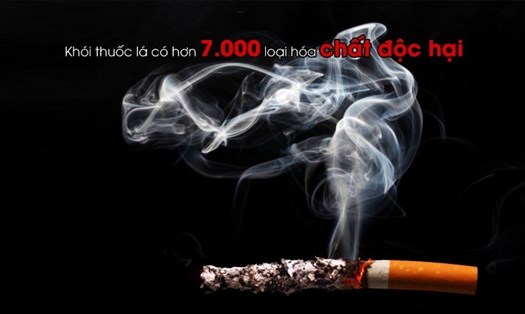
Các biện pháp kiểm soát thuốc lá hiện tại chưa đạt hiệu quả như kỳ vọng
Gần đây nhất, một nghiên cứu mới được công bố tại Diễn đàn Toàn cầu về Nicotin (Global Forum on Nicotine) thường niên lần thứ 9 ở Warsaw, Ba Lan cho thấy, các biện pháp kiểm soát thuốc lá của Tổ chức Y tế Thế giới (WHO), với tên gọi là MPOWER, không làm cho tỉ lệ tử vong do hút thuốc lá điếu tại châu Âu giảm đi.

Kết quả phân tích của TS. Ramström đã được trình bày trước hàng trăm đại biểu và hơn 50 chuyên gia quốc tế trong lĩnh vực Khoa học về thuốc lá và Nicotin tại “Diễn đàn Nicotin Toàn cầu”. Theo đó, khi các nước châu Âu thực hiện các biện pháp MPOWER từ WHO, tỉ lệ tử vong do hút thuốc lá ở nữ giới không giảm, và tỷ lệ tử vong ở nam giới dù có giảm nhưng rất nhỏ, gần như không đáng kể.
Phát hiện này củng cố thêm bằng chứng cho thấy WHO cần xem lại chiến lược giảm tác hại thuốc lá bằng cách ủng hộ việc sử dụng các sản phẩm thuốc lá có chứa nicotin an toàn hơn để thay thế thuốc lá điếu thông thường.
Dừng hút thuốc lá điếu: Không thể thiếu vai trò của các sản phẩm giảm tác hại
Bên cạnh kêu gọi WHO đánh giá lại chiến lược kiểm soát thuốc lá hiện tại, cũng tại diễn đàn này, vai trò của các sản phẩm giảm tác hại thay thế thuốc lá điếu được thảo luận sôi nổi và khẳng định đây sẽ là yếu tố để kết thúc kỷ nguyên hút thuốc lá điếu.
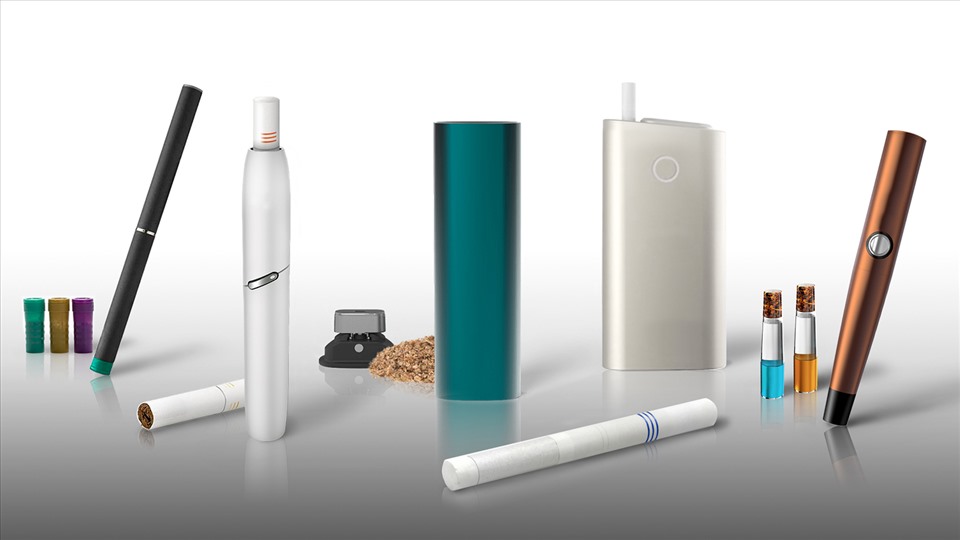
Theo đó, các dữ liệu và bằng chứng được công bố đến thời điểm hiện nay cho thấy đây là hướng tiếp cận khả thi hơn cho người hút thuốc. Được biết, Cục quản lý Thực phẩm và Dược phẩm Hoa Kỳ (FDA) cũng đã đánh giá dữ liệu của một loại thuốc lá công nghệ và cho phép sản phẩm này được kinh doanh tại quốc gia này với chỉ định là một sản phẩm điều chỉnh nguy cơ, giảm thiểu phơi nhiễm với các hóa chất gây hại của thuốc lá lên sức khỏe người hút thuốc.
Viện Y tế và Chất lượng Điều trị Quốc gia Anh (NICE), Bộ Y tế Nhật Bản… cũng đã chính thức cho phép thương mại các sản phẩm không khói thay thế thuốc lá điếu này, vì đã áp dụng công nghệ loại bỏ quá trình đốt cháy, nguyên nhân gốc rễ gây ra các bệnh liên quan đến hút thuốc lá.
Trong lĩnh vực tim mạch, các nghiên cứu về các sản phẩm giảm tác hại thay thế thuốc lá điếu áp dụng công nghệ loại bỏ quá trình đốt cháy đã được công bố trên các tạp chí uy tín trên thế giới như Tạp chí Tim mạch châu Âu, Tạp chí Y khoa châu Âu,... Trong đó, một nghiên cứu đáng chú ý đăng trên tạp chí uy tín Circulation là nghiên cứu được thực hiện trên 5 triệu người hút thuốc lá nhằm đánh giá mối liên hệ giữa những thay đổi trong thói quen sử dụng sản phẩm thuốc lá không đốt cháy (hoặc sản phẩm có chứa nicotin không đốt cháy) và thuốc lá điếu đốt cháy thông thường với nguy cơ mắc bệnh tim mạch trong ngắn hạn.
Kết quả của nghiên cứu đồ sộ này cho thấy, việc chuyển đổi sang sử dụng sản phẩm không đốt cháy ở những người đã hút thuốc lá điếu thì nguy cơ mắc các bệnh tim mạch thấp hơn so với tiếp tục hút thuốc lá điếu.
Dĩ nhiên, việc cai hoàn toàn thuốc lá và nicotin vẫn là tốt nhất.
Trước thực trạng bệnh tật và tử vong do thuốc lá điếu gây ra vẫn còn tiếp diễn trên toàn cầu, các bác sĩ không thể chấp nhận hướng tiếp cận "cai thuốc lá hoặc chết" là lựa chọn duy nhất cho các bệnh nhân hút thuốc của mình. Khi gặp bệnh nhân hút thuốc, chắc chắn các bác sĩ luôn khuyên bệnh nhân cai bỏ thuốc lá. Nhưng trong thực tế, cứ khoảng 10 người được khuyên và được áp dụng các biện pháp tư vấn, hỗ trợ cai thuốc, chỉ có chưa đến 3 người là thực sự cai được thuốc lá hoàn toàn. Rõ ràng, con người sẽ theo đuổi những hành vi không lành mạnh ở một số mức độ, bao gồm cả hút thuốc lá, là không thể tránh khỏi.
Như vậy, thay vì để người hút thuốc lựa chọn giữa "cai thuốc lá" hoặc "chết", nếu khoa học đã cho thấy có một cách thứ ba có thể giúp giảm thiểu tác hại cho họ, thì dưới góc nhìn của bác sĩ và nhà khoa học, cách thứ ba chính là biện pháp phù hợp nhất. Cai thuốc lá là điều bệnh nhân nên làm, nhưng nếu không thể hoặc chưa sẵn sàng, chúng ta nên tìm ra giải pháp giúp họ giảm bớt hậu quả từ chính hành vi không lành mạnh của họ.
Rõ ràng, ngày càng có nhiều bằng chứng khoa học cho thấy hướng tiếp cận giảm tác hại thuốc lá bằng những sản phẩm thay thế thuốc lá điếu cho người hút thuốc lá là một chiến lược khả thi hơn và nhân văn hơn, ưu tiên xem xét đến nguyện vọng và nhu cầu của con người. Vì vậy, theo thời gian, hướng tiếp cận này sẽ nhanh chóng lan rộng trên toàn cầu. Đây cũng chính là lời khẳng định từ các chuyên gia trên khắp thế giới tại Diễn đàn Nicotin Toàn cầu 2022 vừa qua.