
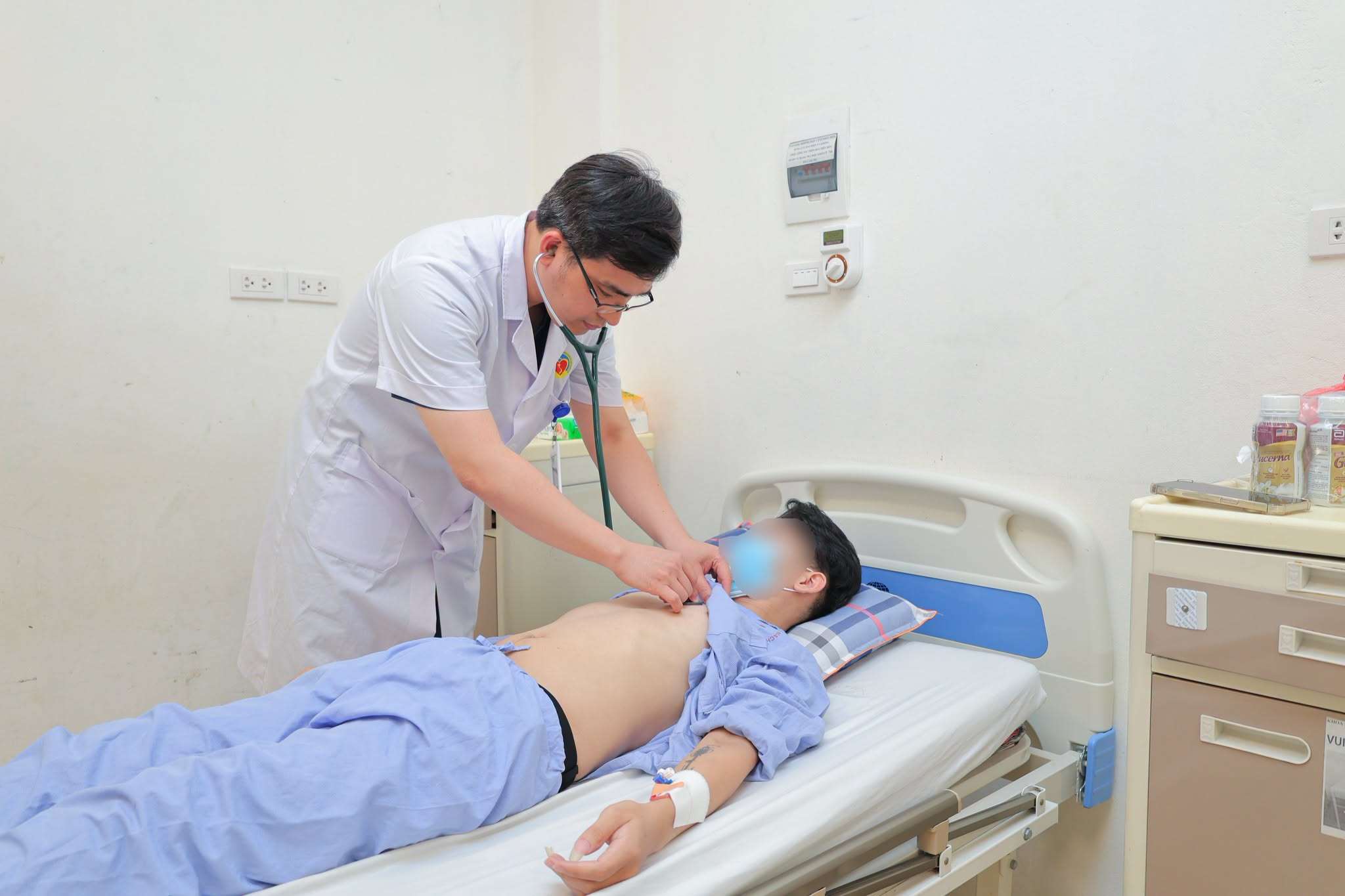
The Cardiovascular Center, E Hospital, has just received a 25-year-old male patient in a state of severe angina, sweating, shortness of breath and was transferred to the emergency room. According to the patient, chest pain appeared 3 days ago but due to subjectivity, he did not go for examination.
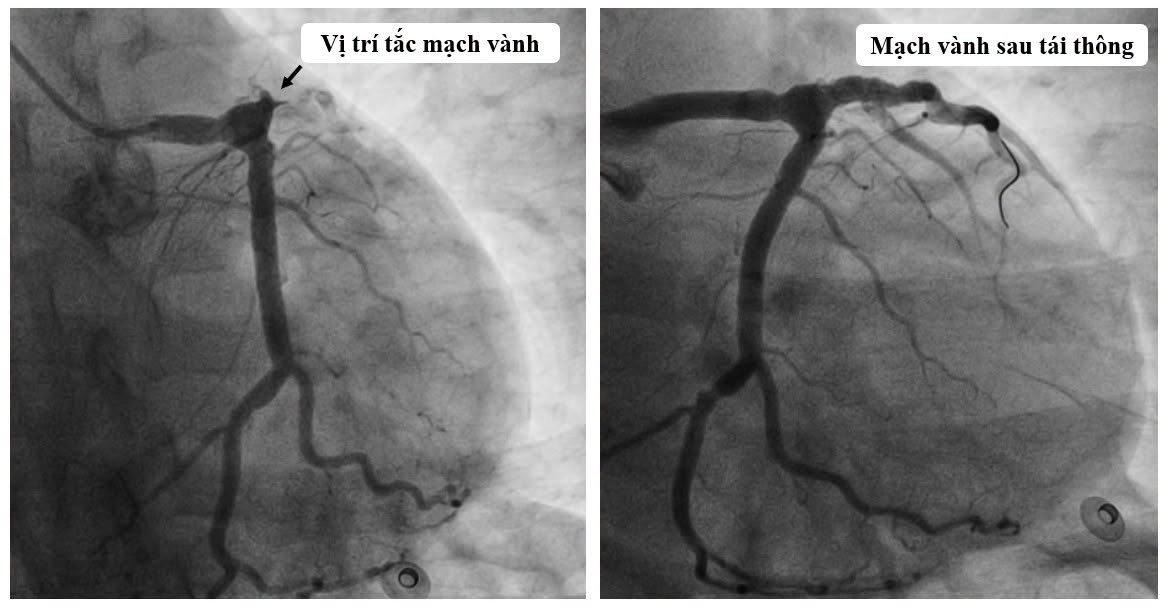
BSCKII Nguyen The Huy, Deputy Head of Adult Cardiology Department, Center for Cardiology, E Hospital, said that the patient had a history of smoking from the age of 15. The diagnosis determined that the patient had acute myocardial infarction due to complete blockage of the anterior interventricular artery, and also chronic blockage of the right coronary artery.
Doctors urgently intervened to re-circulate the coronary arteries, restoring the blood flow to nourish the heart. After 2 days of treatment, the patient's health stabilized and he was discharged from the hospital.
This is a rare case because the patient is still very young but the coronary artery damage is already serious. If not intervened in time, the risk of death or leaving serious sequelae is very high," Dr. Huy emphasized.
According to doctors, in recent years, the number of myocardial infarctions in young people has tended to increase. The main causes are related to risk factors such as smoking, overweight, lack of exercise, high-fat diet, prolonged stress, dyslipidemia, high blood pressure, diabetes and frequent staying up late.
In this case, smoking is identified as a prominent risk factor. Smoking continuously for 10 years can damage blood vessel walls, promote atherosclerosis, form blood clots and lead to myocardial infarction.
Doctors also note that myocardial infarction is an emergency condition, every minute of delay increases the level of myocardial necrosis. When signs such as chest tightness, shortness of breath, sweating, palpitations or reduced effort appear, people need to go to a medical facility immediately for diagnosis and timely treatment, and should not be subjective.
To prevent cardiovascular disease, doctors recommend that people maintain a healthy lifestyle, do not smoke, increase exercise, control weight, eat reasonably and have regular health check-ups.


