
Recorded at Quang Ngai General Hospital, the General Internal Medicine Department is in a state of local overload when the number of regular inpatients is approximately 170 people, exceeding the capacity of 147 beds. The hospitalizations are mainly related to respiratory diseases, diabetes and chronic kidney failure, of which respiratory diseases account for the highest proportion.
Meanwhile, the Department of Pediatrics of the Provincial Obstetrics and Pediatrics Hospital also continuously receives children suffering from heat-related diseases such as food poisoning, heatstroke, heatstroke and respiratory diseases. The main cause is sudden temperature changes between the external environment and air conditioning space.
Doctors recommend that people should proactively protect their health in the hot season by drinking enough water, limiting going out in hot weather, using air conditioning at appropriate temperatures and safely storing food. People with underlying diseases need to follow treatment regimens and re-examine on schedule to prevent dangerous complications.
On June 8, Mr. Nham Xuan Sy, Deputy Director of Quang Ngai Hydrometeorological Station, informed that from June 8, hot weather continued to occur in the eastern region of Quang Ngai province. The temperature measured at 13:00 at Ba To Meteorological Station (Ba To commune) was 36.0oC; at Quang Ngai Meteorological Station (Nghia Lo ward) was 36.5oC; the relative lowest humidity was 48%.
Forecast from June 9, hot weather is likely to decrease in intensity, the highest temperature fluctuates from 36 - 38oC, in some places above 38.0oC; relatively low humidity from 45 - 50%.
On June 10, hot weather is likely to continue to decrease and end this hot spell. In the next 72 to 120 hours, the eastern area of the province is unlikely to experience hot weather.
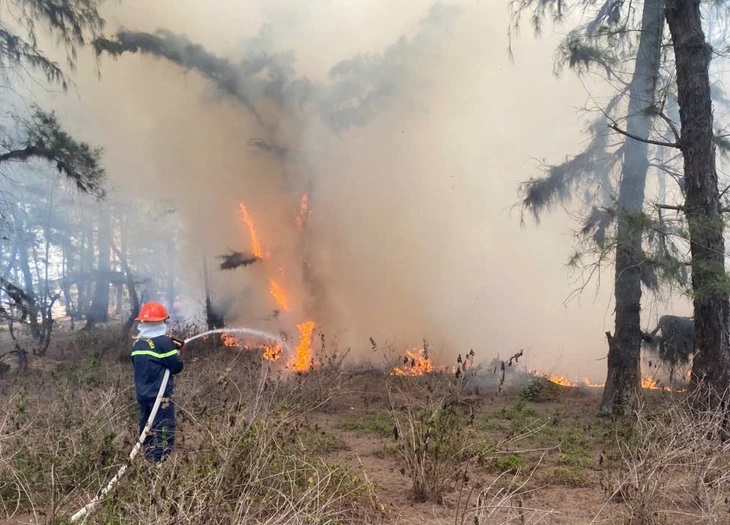
Due to the impact of hot weather combined with low air humidity, the risk of fires and explosions in residential areas increases due to increased electricity demand. At the same time, it is necessary to prevent the risk of forest fires. Hot weather can also cause dehydration, exhaustion, and heat stroke for people who are exposed to high temperatures for a long time.


