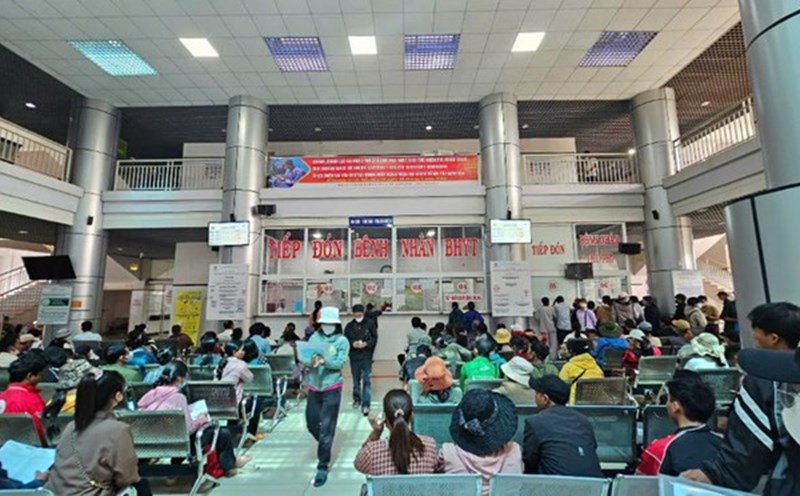
From crowded waiting for examination to convenience thanks to digital health transformation
Ms. Nguyen Thi Hang (46 years old, Bat Trang commune, Hanoi) said that before, every time she went for a general examination, she and her relatives often had to be present at the hospital from about 5:30 am to get an order number. Long waiting, crowded, and crowded is inevitable.
However, recently, when the hospital implemented the form of pre-scheduling and expanded medical examination and treatment facilities, her examination was much more convenient. Instead of having to come early in the morning, she only needed to register for a schedule from the previous day, and then be present on time.
I just went for a health check-up at Bach Mai Hospital. When I arrived at the registered time, I just needed to read the phone number to complete the procedures to receive the examination book and then go to the room as instructed. The person who booked the appointment in advance has a separate reception counter, so everything is much faster, no longer crowded like before" - Ms. Hang said.
According to Ms. Hang, scheduling online examinations is not only convenient for patients but also helps the hospital better classify patients, avoiding the situation of too many people at the same time.
Not only stopping at scheduling medical examinations at hospitals, digital health transformation also opens up many new utilities, including home sample collection services and results returned via applications or phones. This is a priority choice for many people, especially the elderly, busy people or people with chronic diseases, who have difficulty traveling.
Ms. Le Thi Quyen (55 years old, Ba Dinh ward, Hanoi) shared that because she often feels tired, she wants to have a general health check-up but is afraid of having to arrange time to go to the hospital in the middle of the week. Instead of going directly for examination, she chose to schedule a sample collection at home through the application.
I scheduled a blood draw at home on Sunday morning. Medical staff arrived on time, operating quickly and professionally. Just a few hours later, I received the results on the application," Ms. Quyen said.
What impressed her even more was that after the results, the hospital doctor proactively called to advise, explain abnormal indicators and guide her on a suitable diet and rest regime.
I used to think I would have to see the results myself like before. But this time, the doctor called to explain each indicator very clearly, gave specific instructions and also recommended further examination if needed. I feel more concerned" - Ms. Quyen shared.
Promoting digital transformation to better serve the people
2025 is considered a period of acceleration for the health sector in the digital transformation process, with a series of outstanding results from perfecting institutions, building specialized databases to expanding electronic medical records, electronic health records and cashless payments.
According to the Ministry of Health, 2025 marks an important step forward in completing the legal corridor serving digital transformation of the medical industry. During the year, the Ministry submitted to the Government for promulgation Decree No. 102/2025/ND-CP regulating the management of medical data, and at the same time issued Circular No. 13/2025/TT-BYT guiding the implementation of electronic medical records.
Along with that, the Ministry of Health has established a Steering Committee for breakthrough development of science, technology, innovation and digital transformation of health; implementing the plan to implement Plan No. 02-KH/BCDDTWW.
One of the notable results is the construction and completion of 12 specialized health databases, connected to the national aggregate database. This is considered an important platform for forming a shared data ecosystem, serving management, medical examination and treatment and policy planning.
In particular, by the end of January 2026, electronic health records integrated on the VNeID application have been deployed nationwide, with more than 34 million records being created. This integration helps people conveniently monitor medical examination and treatment processes, health history and gradually form a lifelong electronic health record.
Not only stopping there, the Ministry of Health is proposing to expand the integrated data on VNeID, including birth certificates, driver health certificates, pharmacy identification data, prescription data, vaccination data, data on practitioners and medical practice facilities, along with maternal and child health monitoring books.
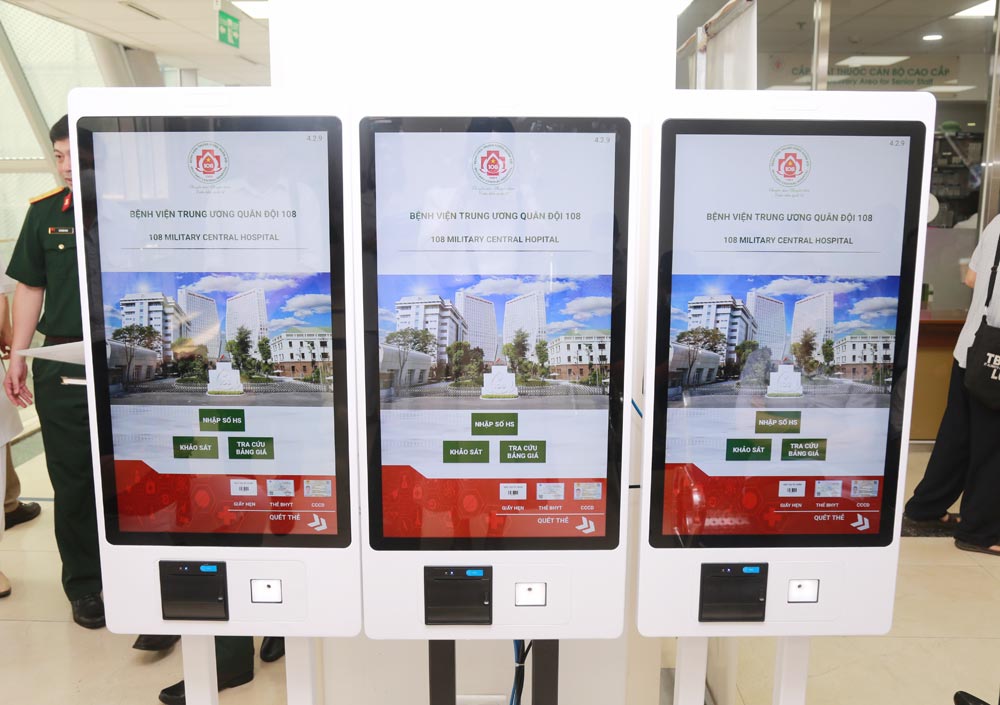
According to Mr. Nguyen Le Phuc - Deputy Director of the Department of Science, Technology and Training, Ministry of Health, standardizing and interlinking medical data will help reduce information update time, save costs due to reusing existing results, and improve the quality of medical examination and treatment and reduce inconvenience for people when carrying out administrative procedures.
In the field of public services and internal governance, 100% of the work files of the Ministry of Health are currently processed on the electronic environment, 100% of leaders from departments and divisions and above are issued digital signatures. The Ministry also has 4/4 service systems with data on an integrated platform, sharing national data (NDXP).
Another bright spot is that non-cash payments have been expanded throughout the system. Currently, 100% of medical examination and treatment facilities have implemented electronic payment methods such as bank transfers, QR code scanning, e-wallets or medical examination and treatment cards connected to banks. In the field of training, 100% of medical human resource training facilities under the management of the Ministry of Health have also applied non-cash tuition payments.
However, the digital transformation process in the health sector still faces many barriers. According to representatives of the Ministry of Health, the biggest difficulty comes first of all from the uneven awareness of a part of the leadership of medical examination and treatment facilities, making the implementation in some places not really drastic.
Minister of Health Dao Hong Lan has signed and issued a Directive requesting the entire sector to accelerate the implementation of electronic medical records, considering this as a key task at each medical examination and treatment facility. Hospitals must review and supplement resources and complete the application no later than December 31, 2026. Departments of Health of localities and related units are responsible for supporting and ensuring the implementation progress nationwide.
According to Minister Dao Hong Lan, the health sector is promoting digital transformation through many important platforms to improve management efficiency, quality of medical examination and treatment and people's access to services.
Notably, the national immunization management platform allows monitoring vaccination history, reminding of vaccination schedules and managing data nationwide, helping people proactively take better care of their health.Along with that, the health sector is implementing universal electronic health records, helping each person have a consistent health record, supporting doctors to diagnose more accurately and reducing administrative procedures.
Digital transformation has shown clear effectiveness.Each year, the hospital system receives about 180-200 million medical examination and treatment visits.Thanks to online examination registration and smart examination schedule management, many hospitals reduce overload in the reception area.The satisfaction rate of patients at many central and provincial hospitals reaches about 85-90%.
Data connection and telemedicine deployment also help reduce about 20-30% of unnecessary referrals in many localities, creating conditions for patients to be treated right at their place of residence. In addition, more than 95% of hospitals have deployed hospital management systems, and about 30-40% of hospitals are gradually applying complete electronic medical records.
Cashless payments in hospitals have also increased sharply, with about 40-50% of hospital fee transactions at many large hospitals being carried out in electronic form, contributing to reducing waiting times and increasing transparency in financial management.