
The Ho Chi Minh Campaign Museum (No. 2 Le Duan Street, Ho Chi Minh City) was established in 1986, located in a building built in the early 20th century. Before 1975, this place used to be the National Defense College.
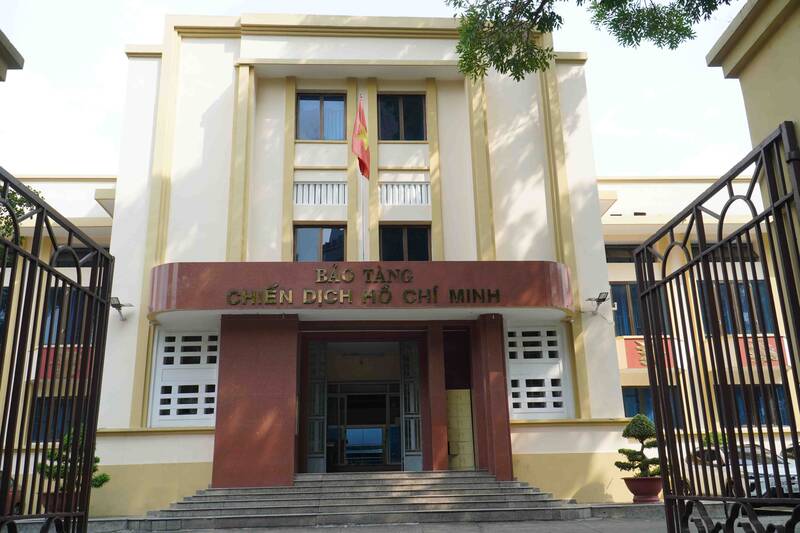
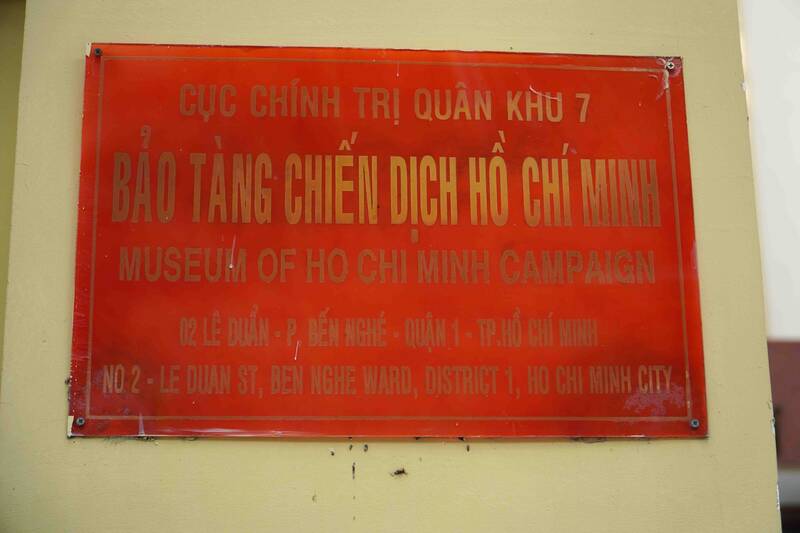
Initially, the project was the Ho Chi Minh Campaign Exhibition Room under the Museum of the Southeast Armed Forces. By the end of 2020, the Ministry of National Defense decided to upgrade it to an independent museum, managed by Military Region 7 and officially went into operation from January 2021.
The museum includes two main areas: an indoor display area with an area of about 1,000 m2 and an outdoor display area of 2,000 m2. Currently, it houses 6,293 artifacts and more than 500 documentary images, including 2,881 original artifacts.
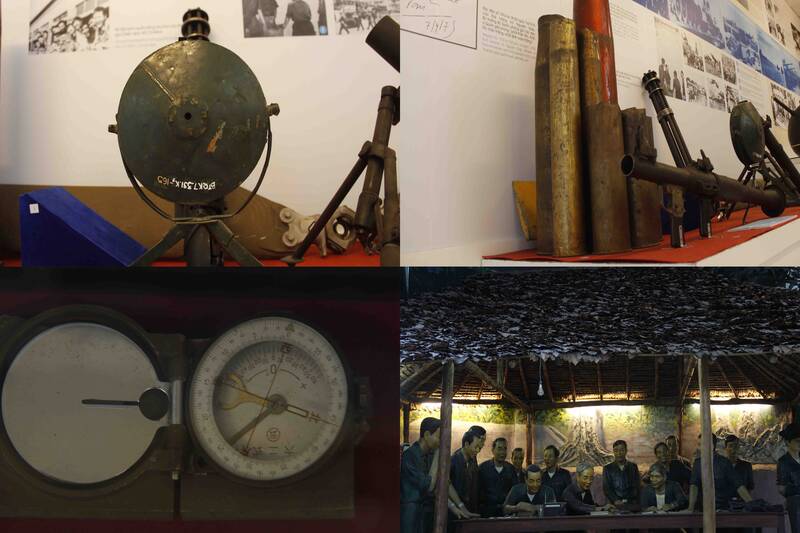
The highlight at the central display area, right at the entrance, is a large-scale sand table recreating the main developments of the Ho Chi Minh Campaign. Above, a system of documentary film screens is arranged, introducing the entire campaign in Vietnamese, English and French.
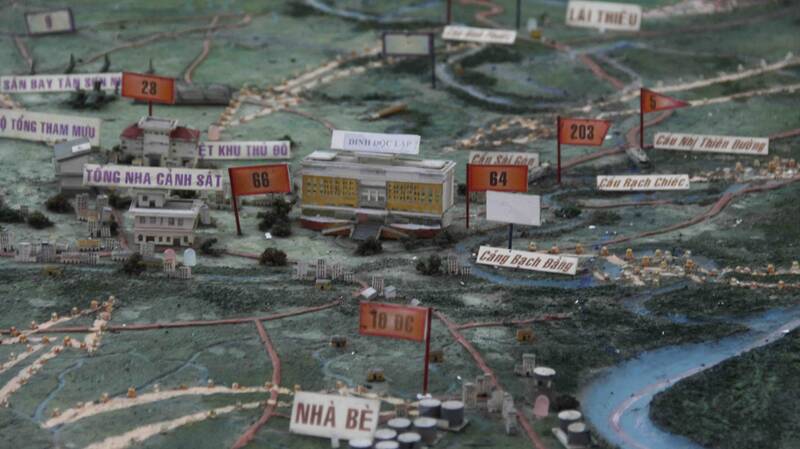
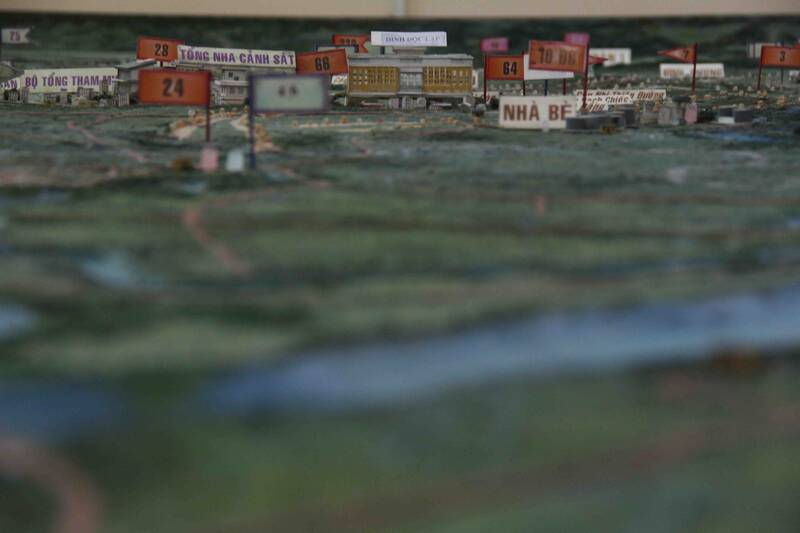
Visitors can personally learn about many artifacts such as weapons, flags, banners and paintings that were used in the campaign.
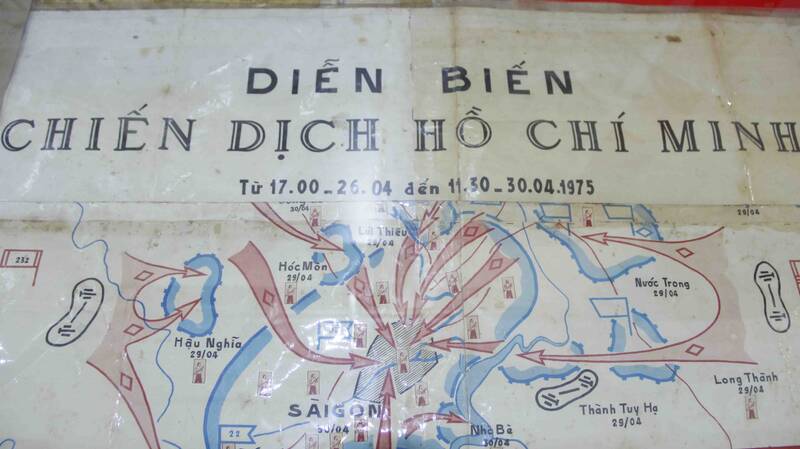
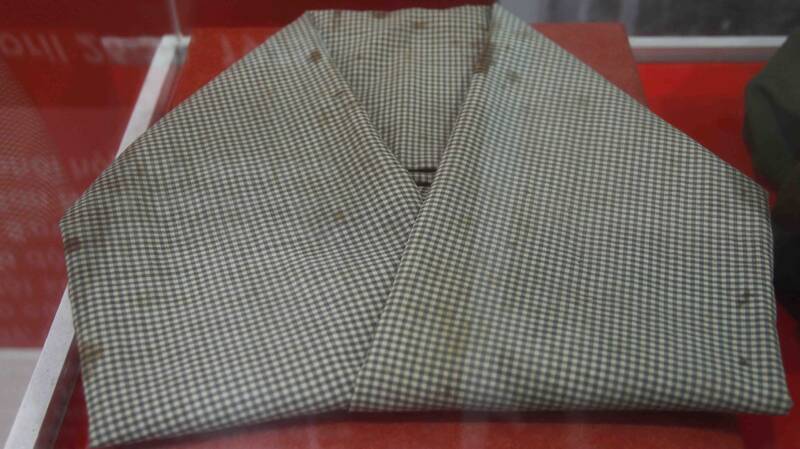
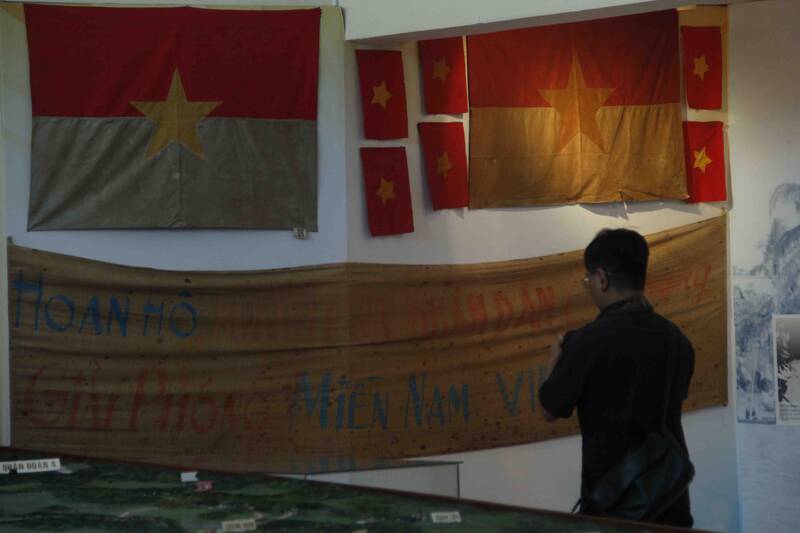
Hundreds of paintings, photos, and maps recreating the developments of the Ho Chi Minh Campaign are displayed at the museum, helping viewers clearly visualize each stage of the campaign. This space also introduces many personal memorabilia and portraits of generals who participated.
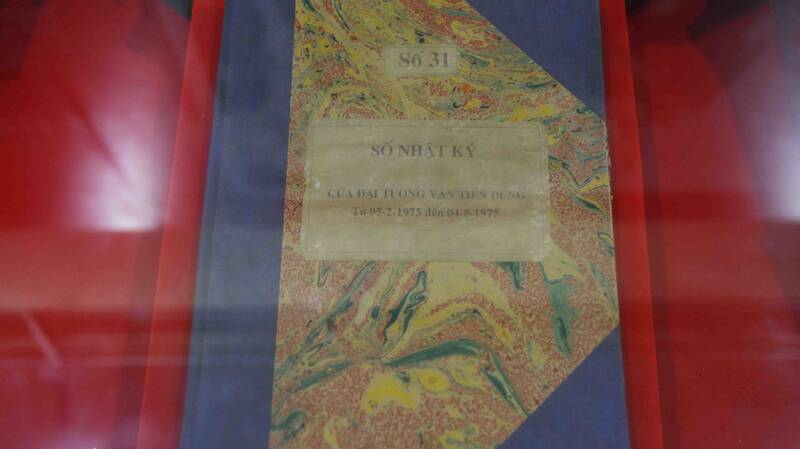
Prominent among them are the military uniform, diary and magnifying glasses of General Van Tien Dung - items he used throughout the years of war until the country was unified.
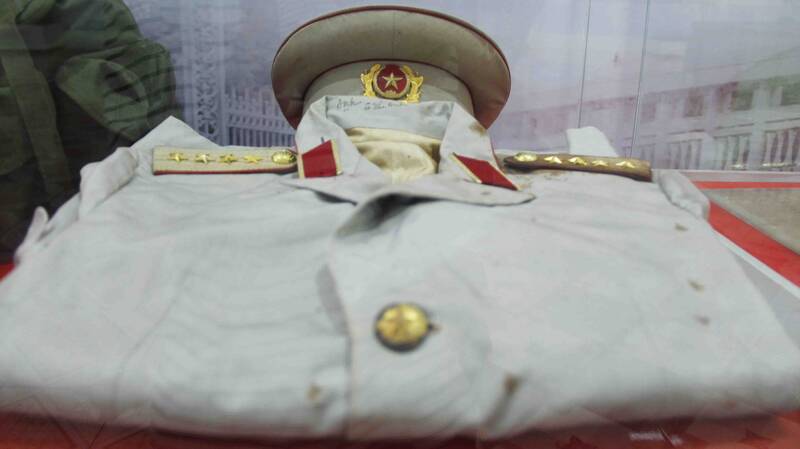
In addition, the museum also displays the ceremonial attire of General Le Duc Anh - one of the senior commanders who participated in planning and directing the offensive fronts in the campaign.
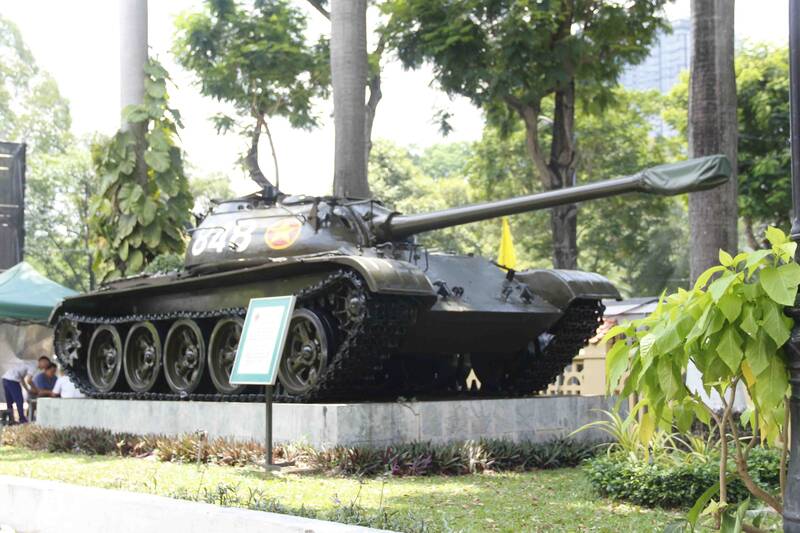
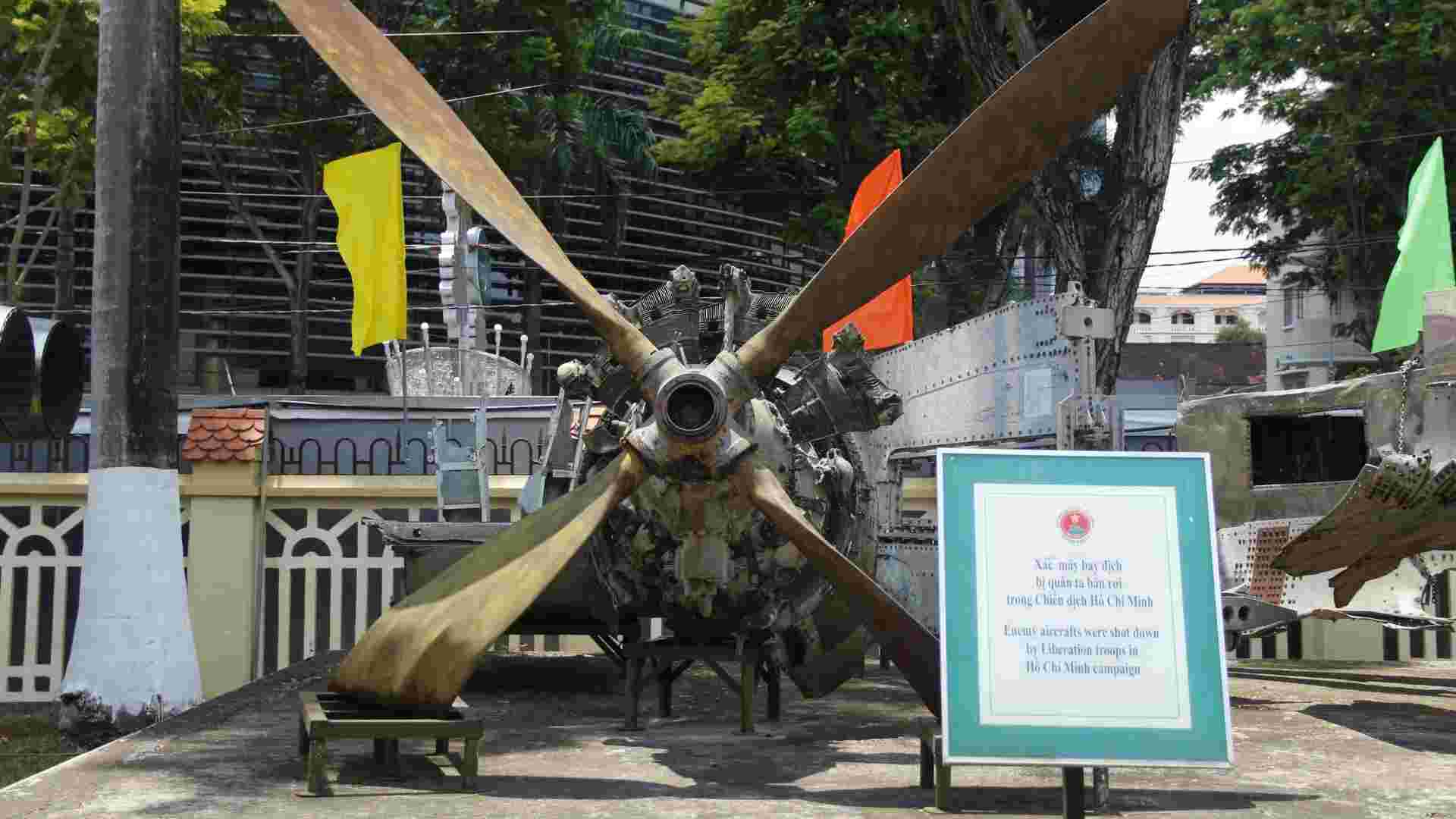
The 2,000m2 outdoor area displays tanks and fighter jets used in the campaign. The museum is open free of charge weekdays, except Saturdays and Sundays.


