
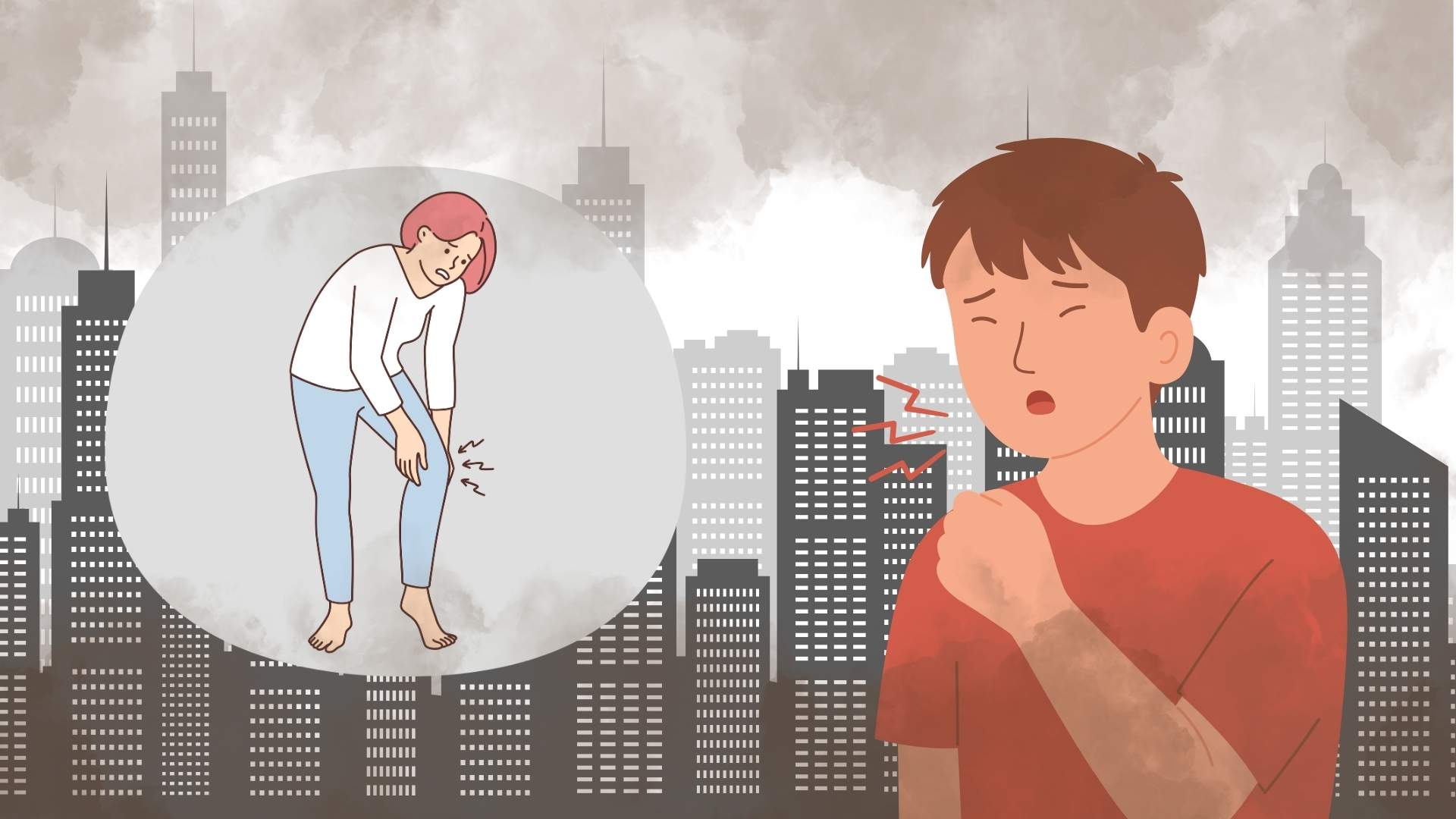
A new study published in the journal Rheumatology shows that air pollution, especially fine dust, can play an important role in increasing the risk of autoimmune diseases such as lupus redness and rheumatoid arthritis.
The team found that people who were regularly exposed to fine dust pollution had higher levels of antibodies - a typical biological sign associated with autoimmune rheumatoid arthritis.
These results open up a new direction in understanding how air pollution can cause changes in the immune system associated with autoimmune diseases, said Sasha Bernatsky, senior research fellow, Professor of Medicine at McGill University (Canada).
To conduct the study, scientists collected blood samples from more than 3,500 people living in Canada's Ontario province to measure the concentration of antiplate antibodies in the body.
The test results were compared with the level of air pollution that each person is regularly exposed to at their home location, based on data on monitoring air quality around the area where they live.
The results show that the group of people exposed to fine dust pollution at the highest level are at risk of developing 46% to 54% higher levels of antibodies than those living in cleaner air environments.
According to the United States Environmental Protection Agency (EPA), fine dust is particles with a size of 2.5 microns or less - much smaller than human hair.
The fine particles in this air pollution are small enough to penetrate the blood, and can affect the entire body, emphasized Sasha Bernatsky.
According to the research team, even in countries with relatively good air quality such as Canada, pollution can still have potential long-term health effects.
The results of the study are expected to provide more scientific basis for policymakers in tightening standards for air pollution control, in order to protect public health.


