
Many patients often try to eat lighter by reducing the amount of seasoning when cooking. However, according to international cardiologists, focusing only on the salt in the kitchen is not enough to control blood pressure. Most of the sodium that the body actually absorbs comes from another source.
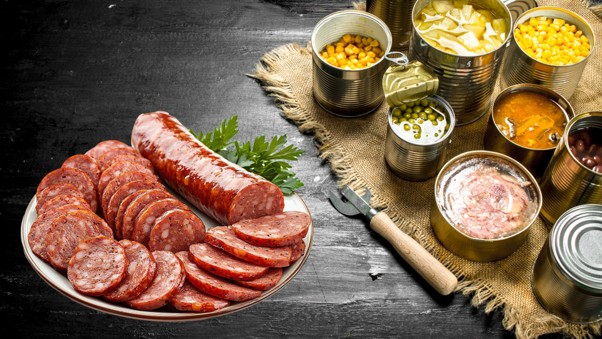
Sodium "hidden" in processed foods is a big problem
A cardiologist in Chicago, USA, said that just reducing salt on the table can create a "fake sense of security". Data from the American Heart Association (AHA) shows that more than 70% of sodium in modern diets originates from processed foods, not from direct seasoning.
Many dishes such as sausages, cold cuts, canned food, or bread are not too salty but still contain very high levels of sodium. Just one serving of fast food can contain more than 1,000mg of sodium, equivalent to most of the recommended daily level, seriously hindering the process of lowering blood pressure.
Summary table: The truth about controlling sodium to lower blood pressure
| Misconception | Medical Truth (Evidence Medicine) |
|---|---|
| More than 70% of the actual amount of sodium entering the body originates from processed foods and restaurant foods. | |
| Many foods (bread, cereals, sauces) are not salty but the "hidden sodium" content is still high. | |
Eating too salty can reduce the effectiveness of blood pressure medication
According to a nutritionist from the British Nutrition Association, if eating habits are not changed, treatment drugs are unlikely to completely solve the problem.
Excess sodium will stimulate the body to retain water, increase blood volume and create more pressure on blood vessel walls. In the long run, this condition makes blood vessels less elastic, increasing the risk of cardiovascular disease. Moreover, a high-sodium diet can also reduce the effectiveness of common blood pressure medications such as ACE inhibitors, ARB receptor blockers, or diuretics.
Medical advice: How to reduce sodium effectively?
To maintain stable blood pressure levels, medical experts believe that patients do not need to completely eliminate salt but are required to control total sodium intake. Some scientific changes that may support include:
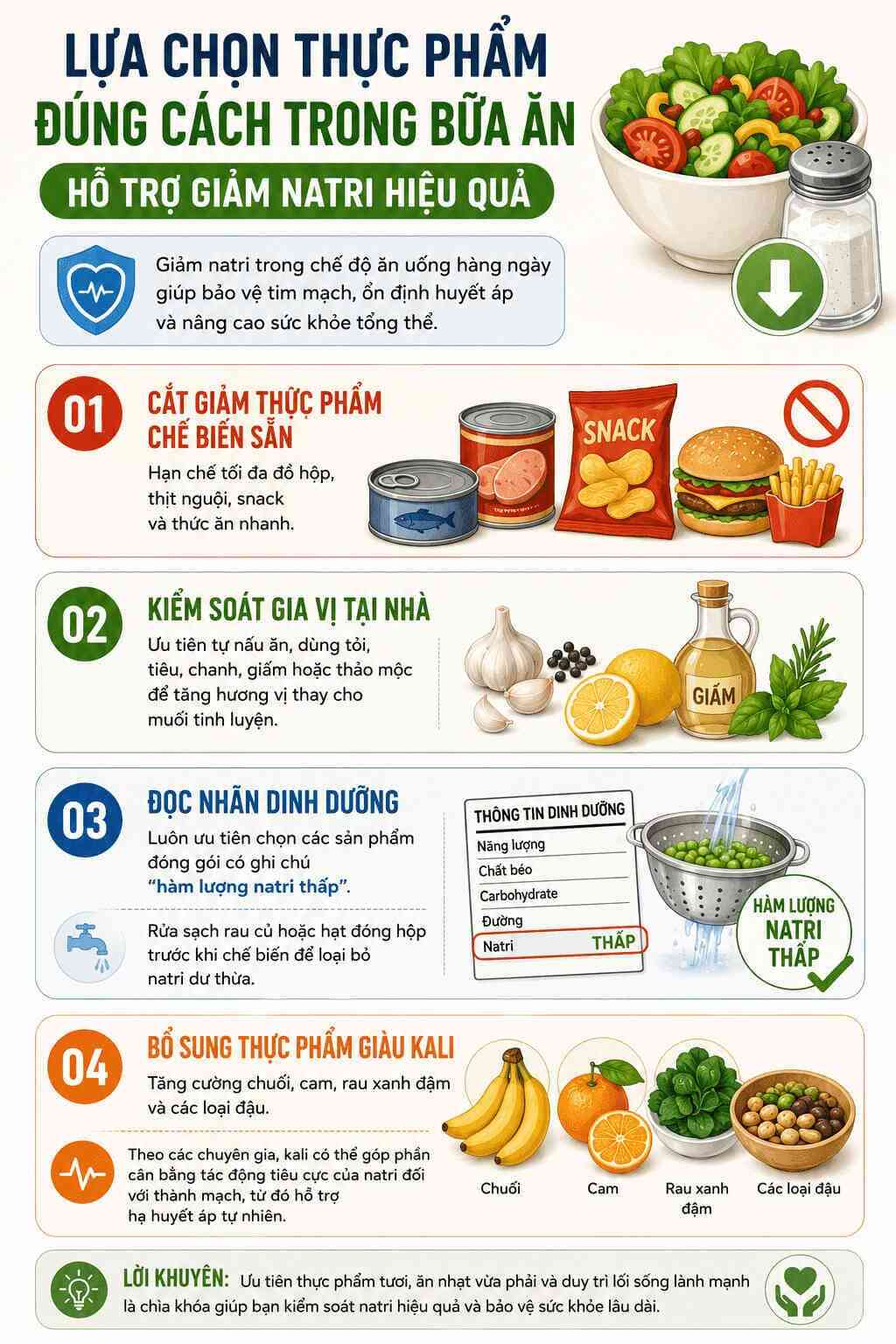
Cut down on processed foods: Minimize canned foods, cold cuts, snacks and fast food.
Control spices at home: Prioritize self-cooking, using garlic, pepper, lemon, vinegar or herbs to enhance flavor instead of refined salt.
Read nutrition labels: Always prioritize choosing packaged products with the note "low sodium content". Wash canned vegetables or seeds before processing to remove excess sodium.
Supplement with potassium-rich foods: Increase bananas, oranges, dark green vegetables and beans. According to experts, potassium can contribute to balancing the negative effects of sodium on blood vessel walls, thereby supporting natural blood pressure reduction.
The information in the article is for reference only, not for medical diagnosis or treatment. You should talk directly to your doctor for accurate and appropriate advice to your health condition.
Quick Q&A about scientific nutrition for people with high blood pressure
If I completely do not add salt when cooking, will blood pressure automatically decrease?
Not sure. According to the American Heart Association (AHA), the amount of seasoning salt at home is only a very small part. If you do not control and cut down on processed foods (sausages, canned meat, fast food), large amounts of "hidden sodium" will still enter the body and hinder the process of lowering blood pressure.
Why does the doctor advise people with high blood pressure to eat more bananas and dark green vegetables?
According to nutrition experts from the medical website Healthline, bananas and dark green vegetables are a rich source of natural potassium. This mineral has the ability to counteract sodium, helping the body strengthen the excretion of excess salt through urine, thereby effectively reducing pressure on blood vessel walls.


