
When having to cut down on the amount of sodium in their diet, many patients wonder whether people with high blood pressure should use fish sauce or refined salt. Below are analyses from international medical websites to help you choose the right spices.
Nutritional value and potential risks of fish sauce
According to the nutritional website Healthline, traditional fermented spices such as fish sauce contain some free amino acids, vitamin B12, iron and omega-3. The fermentation process creates glutamate, bringing a characteristic umami flavor that helps stimulate the taste buds.
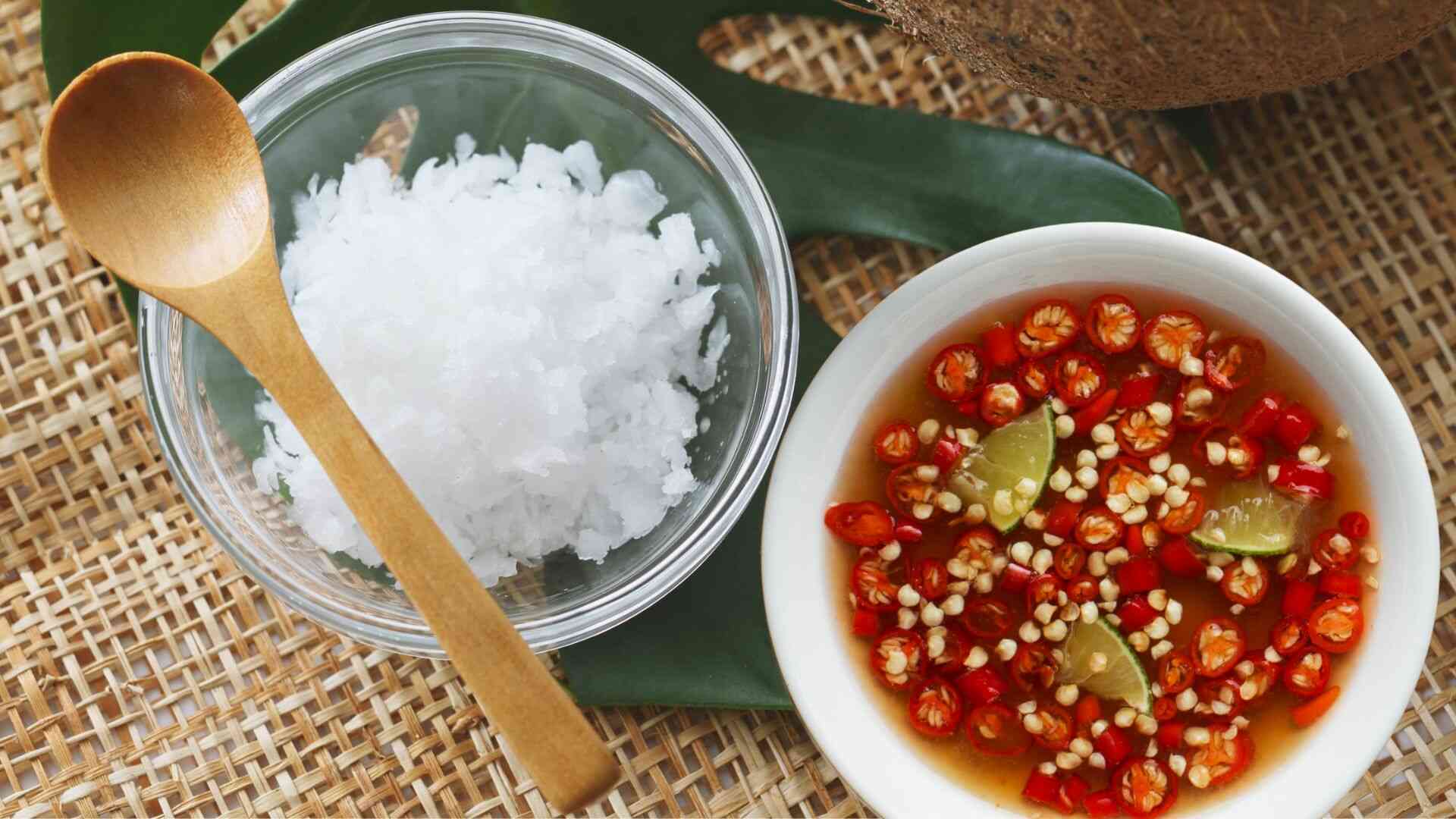
However, the biggest risk lies in the sodium content. On average, 100g of fish sauce contains about 7,720mg of sodium. The American Heart Association (AHA) warns that consuming too much sodium can cause water retention, increasing pressure on blood vessel walls, leading to high blood pressure and burdening the kidneys. In addition, some industrial fish sauces may contain additives, or hand-cooked fish sauces can produce histamine, which is at risk of causing allergies in sensitive people.
Comparison of fish sauce and salt
| Criteria | Traditional fish sauce | Refined salt |
|---|---|---|
| Main components | Sodium chloride, free amino acids, vitamin B12, iron, omega-3. | Almost 100% sodium chloride. |
| Saltinity and Flavor | About 20-25%. Has a salty taste with natural umami sweetness and a characteristic aroma. | About 38 - 40%. Thick salty taste, no aroma. |
| Medical impact | The umami taste helps create a feeling of "enough flavor" faster, which can help reduce total sodium intake if used in a reasonable small amount. | It can contribute to increasing blood pressure or making blood pressure difficult to control, especially in people sensitive to salt, people with high blood pressure, kidney disease... |
Fish sauce has a saltiness of about 20-25% with umami sweetness. Meanwhile, refined salt is mainly sodium chloride; about 1g of salt provides about 400mg of sodium. Both of these spices can cause rapid high blood pressure if abused.
However, nutrition experts point out that using a small amount of fish sauce instead of refined salt can help reduce total sodium intake. Thanks to its aroma and rich umami flavor, fish sauce helps eaters feel "satisfied" faster, thereby contributing to limiting the amount of seasoning.
People with high blood pressure can use fish sauce or salt, but they must use less, prioritize reducing total sodium, and not abuse any salty spices.
Safe spice use for health
To protect the cardiovascular system and control blood pressure, medical experts recommend changing cooking habits:
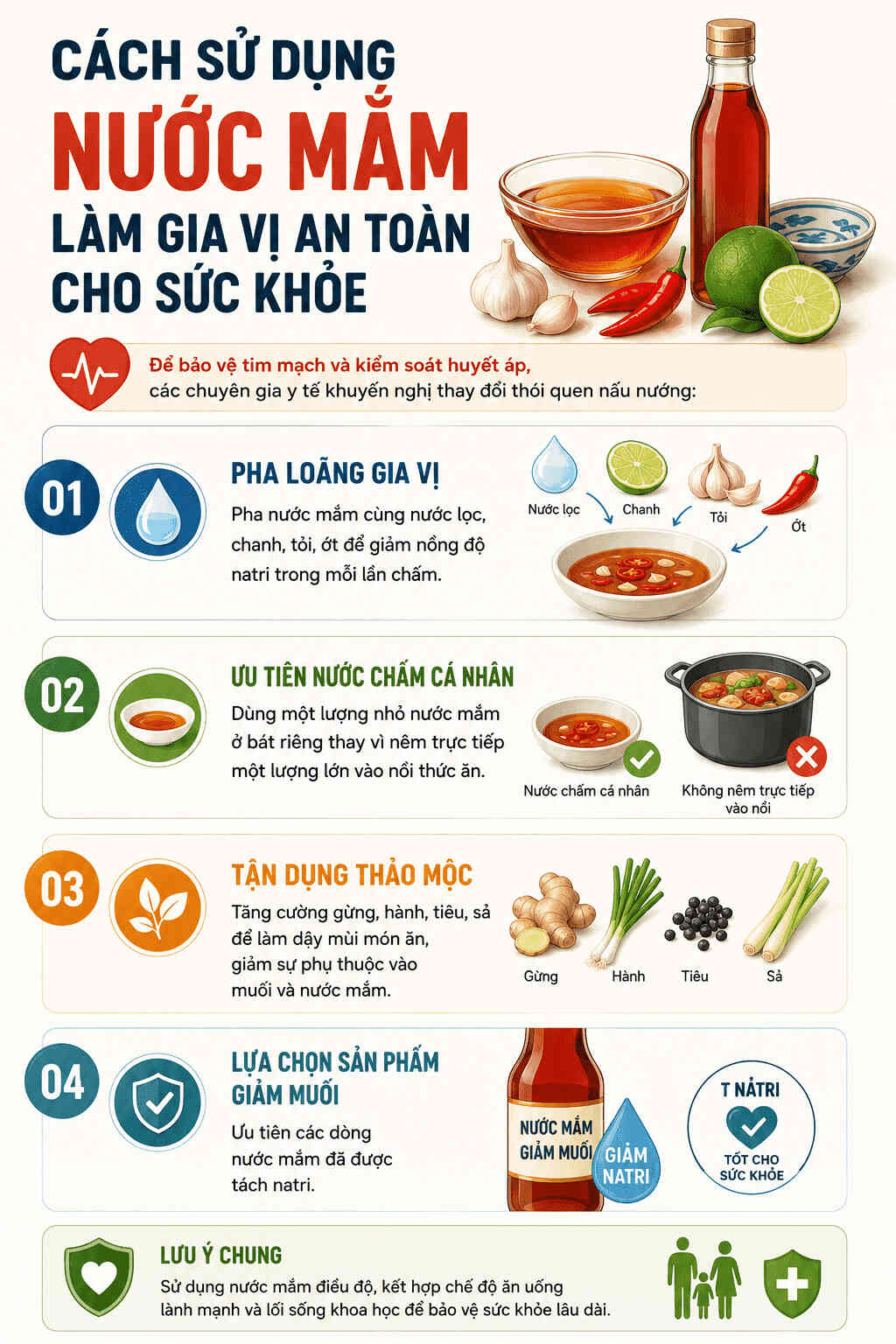
The World Health Organization (WHO) recommends that adults should only use less than 5g of salt (about 2,000mg of sodium) per day. Patients with a history of kidney disease, cardiovascular disease or hypertension should consult a doctor to determine the appropriate sodium level. Children under 1 year old are also advised to minimize these spices.
The information in the article is for reference only, not for medical diagnosis or treatment. You should talk directly to your doctor for accurate and appropriate advice to your health condition.
Q&A about the use of fish sauce or salt for people with high blood pressure
Should high blood pressure patients completely replace salt with fish sauce?
Not compulsory to replace completely. According to the American Heart Association (AHA) and medical website Healthline, both spices contain high levels of sodium. However, using a small amount of fish sauce can stimulate taste better, helping you reduce the total amount of sodium intake in each meal.
How much salt spice consumption per day is a safe threshold?
The World Health Organization (WHO) recommends that normal adults should only use less than 5g of salt (equivalent to 2,000mg of sodium) per day. For patients with high blood pressure or kidney failure, it is mandatory to follow the instructions of a specialist doctor.


