Tooth pain is rarely warned. From a mild aching sensation, the pain can quickly become severe, affecting eating, communication and sleep. According to experts, common causes include tooth decay, gingivitis, cracked teeth, food stuck, or improper oral hygiene.
While dental examination is a fundamental solution, in many cases patients need immediate pain relief, especially at night or when they cannot go to the clinic.
Easy-to-follow ways to reduce tooth pain at home
Dr. Shveta Setia Thareja, a dental restorative specialist, currently working at a private dental clinic in New Delhi, India, said that home remedies can help relieve pain and limit bacteria in a short time.
One of the oldest methods is nail polish or nail polish essential oil. Eugenol active ingredient in nail polish has antiseptic and mild anesthetic effects, helping to reduce pain caused by tooth decay. Patients can gently chew a clove of nail polish or soak nail polish oil into a cotton ball and place it on the painful area.
Rinsing your mouth with warm salt water is also a simple and safe way. Salt helps disinfect, reduce gum swelling and clean up trapped food. Dr. Thareja emphasized that a salty environment makes it difficult for bacteria to grow.
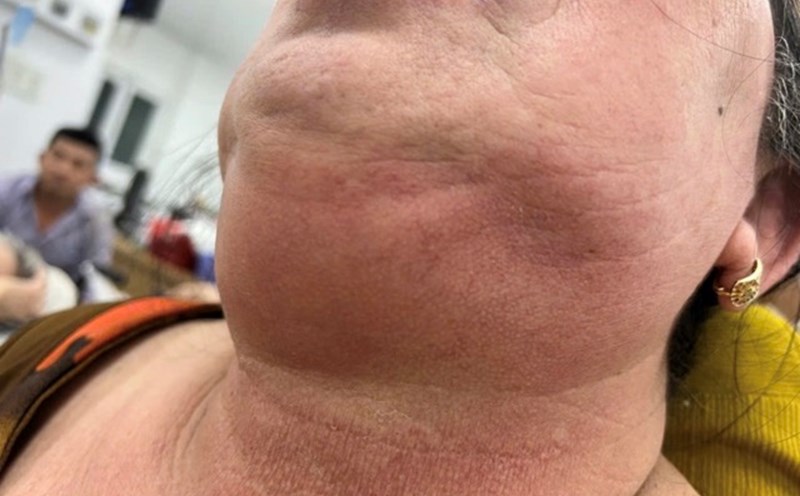
In case of pain accompanied by swelling or injury, applying cold compresses to the cheek near the painful tooth area for 10-15 minutes can help constrict blood vessels and reduce inflammation.
Supporting herbs and important notes
Some other familiar ingredients are also widely used. Garlic contains allicin, a natural antibacterial active ingredient, while guava leaves have anti-inflammatory effects, helping to soothe gum tissue. Mint tea bags thanks to menthol bring a cool and slightly numb feeling, supporting pain relief. In addition, thyme oil and turmeric powder are highly appreciated for their antibacterial and anti-inflammatory properties.
However, according to Dr. Mark Wolff, Head of Preventive Dentistry at the University of Pennsylvania (USA) School of Dentistry, these measures "should only be seen as temporary solutions, and cannot replace intensive dental treatment.
Experts recommend that if tooth pain is prolonged, severe, accompanied by fever or large swelling, patients need to see a dentist early to avoid dangerous complications.