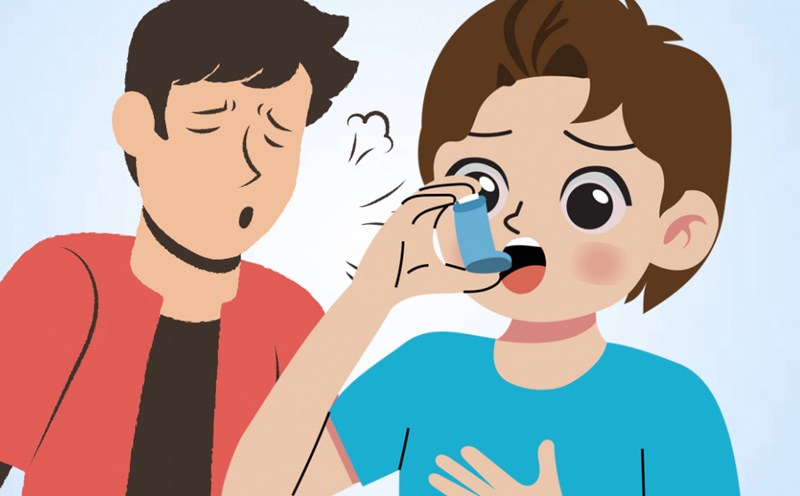
Shortness of breath is not always a sign of cardiovascular or lung disease. In many cases, this is a manifestation of anxiety or mental stress. When stress increases, the breathing rhythm can change, leading to a feeling of shortness of breath or sudden exhaustion even while the body is resting. Anxiety directly affects the body, causing changes in breathing rhythm and respiratory function.
expert Priyanka Kapoor, Psychotherapist, Psychologist and Marriage - Family Consultant (India) said: "Stress and anxiety are common causes of shortness of breath, often accompanied by chest tightness, dizziness and rapid breathing".
Rapid breathing or excess breathing
When stressed, the body reacts by breathing quickly and shallowly. This phenomenon increases ventilation, inhaling a lot of oxygen and exhaling a lot of carbon dioxide, leading to dizziness, numbness in the limbs or a feeling of shortness of breath.
How to fix it:
Do breathing control exercises, for example 4-7-8 technique: inhale for 4 seconds, hold breath for 7 seconds, exhale for 8 seconds.
Incorporate light physical exercises to stabilize your breathing.
Feeling chest tight
Anxiety can cause muscle tension in the chest area, leading to discomfort or pain. This condition makes breathing more difficult and increases anxiety levels.
How to fix it:
Practice progressive muscle relaxation by stretching and relaxing each muscle group in the body.
Regular practice helps reduce muscle tension and pressure in the chest.
Dizziness or lightheadedness
Rapid breathing due to anxiety changes the balance of oxygen and carbon dioxide in the blood, causing dizziness or lightheadedness. This symptom can make patients more worried.
How to fix it:
Apply grounding techniques: keep your feet firmly on the floor, hold a cold object or list the years you have seen, heard and touched.
These activities help focus on the body and reduce dizziness.
Feeling short of air
People with anxiety may feel inadequate air even though their oxygen levels are normal. This symptom is common in panic attacks.
How to fix it:
Participating in activities that help change your thinking direction: listening to music, walking, solving puzzles or keeping a diary.
Taking a thought record helps identify factors that increase anxiety.
Symptoms of reduced relaxation
One sign of difficulty breathing due to anxiety is a reduced symptoms when you rest or participate in your favorite activities. If the breathing slows back to normal in these situations, the cause is often mental stress.
How to fix it:
Practice cognitive restructuring, identifying and replacing anxious thoughts with logical and objective thinking.
Incorporate breathing exercises, muscle relaxation, and journaling to reduce anxiety.
When to find professional help
If the difficulty breathing due to prolonged anxiety or affects daily activities, you should see a psychologist or therapist. They will help identify the cause, develop appropriate response plans and support effective breathing control.