
The 8-year-old male patient was taken to the examination at the University Medical Center Hospital in Ho Chi Minh City in a state of minor ear defects degree 3 with complete paralysis of the left outer ear canal. Before treatment, children often pulled their hair to cover the defective ear, were shy when communicating and were afraid of being teased by friends.
According to the University Medical Center Hospital of Ho Chi Minh City, the unit performed ear canal reconstruction surgery first, then ear canal reconstruction with autologous rib cartilage in 2 stages. As a result, the child had a new ear canal with relatively complete structures, achieving a balance and aesthetics of 80-90% compared to the healthy side; hearing in the ear formed with the ear canal also improved.
When re-examined recently, children cut their hair short neatly, are more confident in communicating and are no longer afraid of being teased by friends.
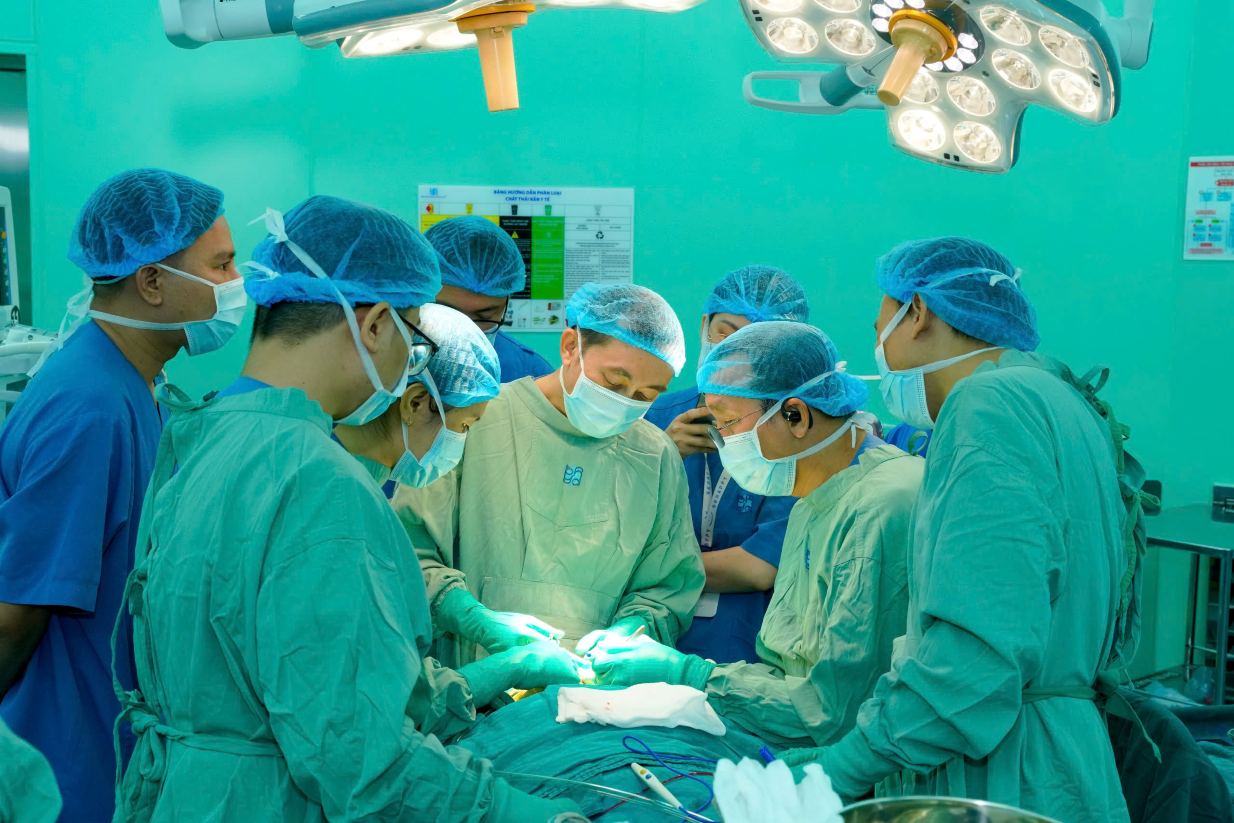
From 2015 to now, this hospital has deployed more than 110 small ear plastic surgery cases, including cases of simple earline deformities, small ear defects accompanied by shrinkage or strabismus of the ear canal. Depending on each case, doctors may prescribe ear canal plastic surgery or BAHA bone hearing aid implantation.
MSc. Dr. Le Van Vinh Quyen - Department of Otolaryngology, University Medical Center Hospital HCMC said that congenital small ear defect is a condition where children are born with abnormally small earlobes in many degrees, from mild malformations to missing part of the earlobe structure, even without traces of the earlobe.
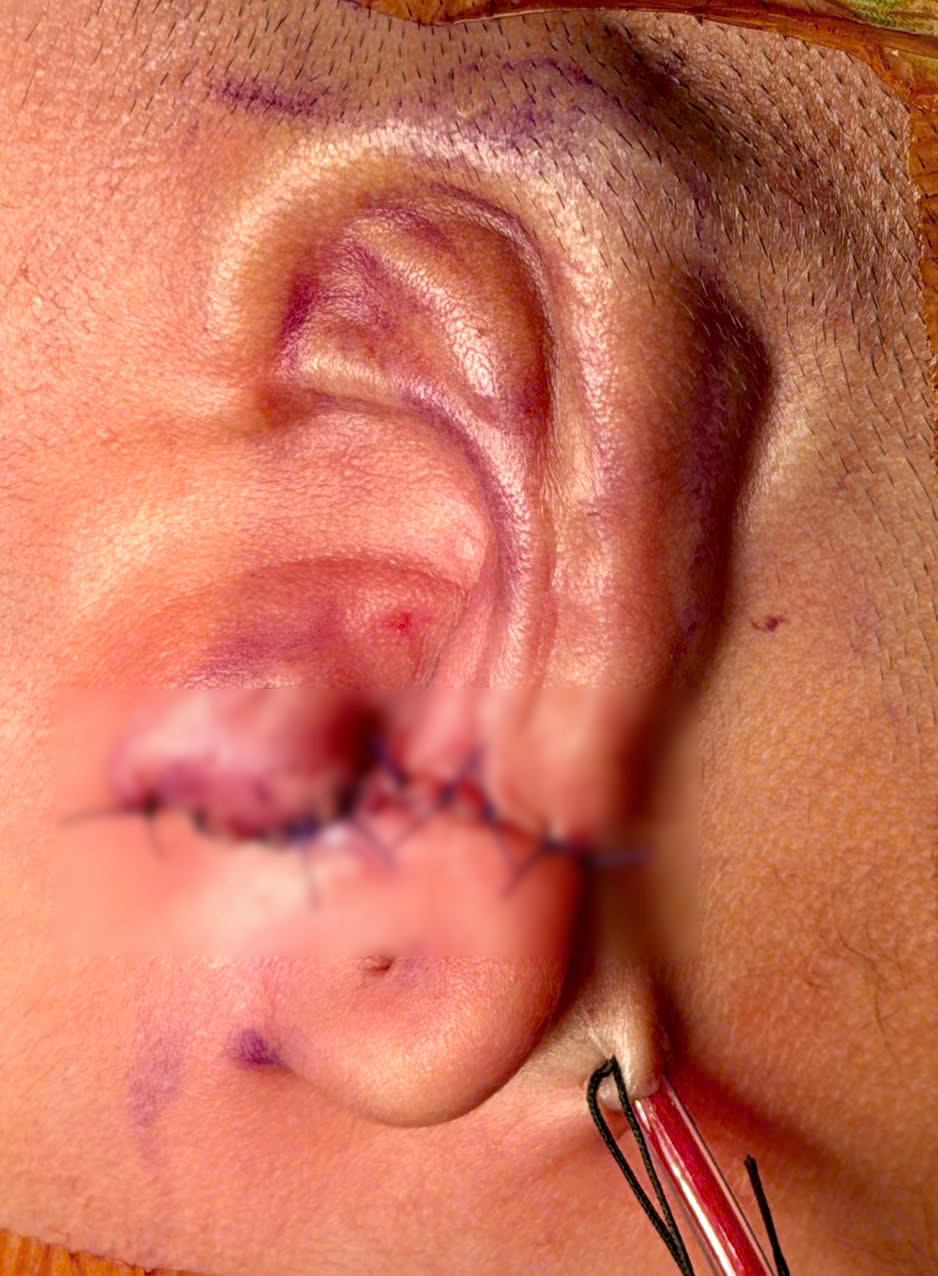
Notably, about 90% of cases of congenital small ears are accompanied by deformities in the outer and middle ear canals, causing children to have atrophied ear canals, no ear canals or mid-ear abnormalities, thereby affecting hearing.
When detecting abnormalities in the child's ear after birth, parents should take the child to a specialized facility to assess the degree of defect, screen for ear canal malformations and check hearing ability. If defects occur in both ears, poor hearing on both sides can cause slow language development or pronunciation disorders if not intervened in time.
The appropriate age for earlobe plastic surgery is usually 6 - 10 years old. This is the stage when the healthy earlobe has reached 85 - 90% of the size of an adult, helping doctors have a basis for comparison to design a more balanced new earlobe.
This is also the time when children are preparing or just entering elementary school, starting to become more sensitive to appearance and comments from friends. Intervening at the right time helps restore the shape of the earlobe and contributes to reducing inferiority complex for children.


