
Children's diseases that affect each age
According to professional guidance from the Ministry of Health and the Institute of Nutrition, common diseases in children change with age and living conditions.
In children under 1 year old, respiratory infections, diarrhea, infectious or viral fever are common. This is the period when children are completely dependent on caregivers, so the risk of serious illness increases rapidly if detected late.
In the 13 age group, when children start walking and are exposed to the outside environment more, diseases such as hand, foot and mouth disease, flu, sore throat, digestive disorders are more likely to occur. Children of this age also often have daily accidents when they are sick, due to reduced resistance and limited self-defense ability.
For children aged 38, in addition to seasonal respiratory diseases, parents need to pay attention to dengue fever, chickenpox,olds and diseases transmitted in the school environment.
Daily health monitoring helps detect early unusual signs, limiting spread in the family and the community.
Principles of caring for children when sick: Calm and properly
Medical recommendations emphasize that when children show signs of illness, parents need to stay calm and closely monitor their children's condition. Fever, cough, and mild diarrhea can be treated at home according to instructions, but if the child has a persistent high fever, is absent-minded, anorexia, rapid breathing, convulsions or vomiting, it is necessary to take the child to a medical facility promptly.
A common mistake is to arbitrarily use medicine for children, especially antibiotics. The Ministry of Health recommends not to use antibiotics without a doctor's prescription, because drug abuse can cause resistance to drugs and have a long-term impact on children's health.
In addition, parents need to ensure that their children drink enough water, eat appropriately according to their medical condition, rest adequately and maintain personal hygiene. Listening to children, reassuring them and taking care of them gently helps them feel safe, thereby recovering better.
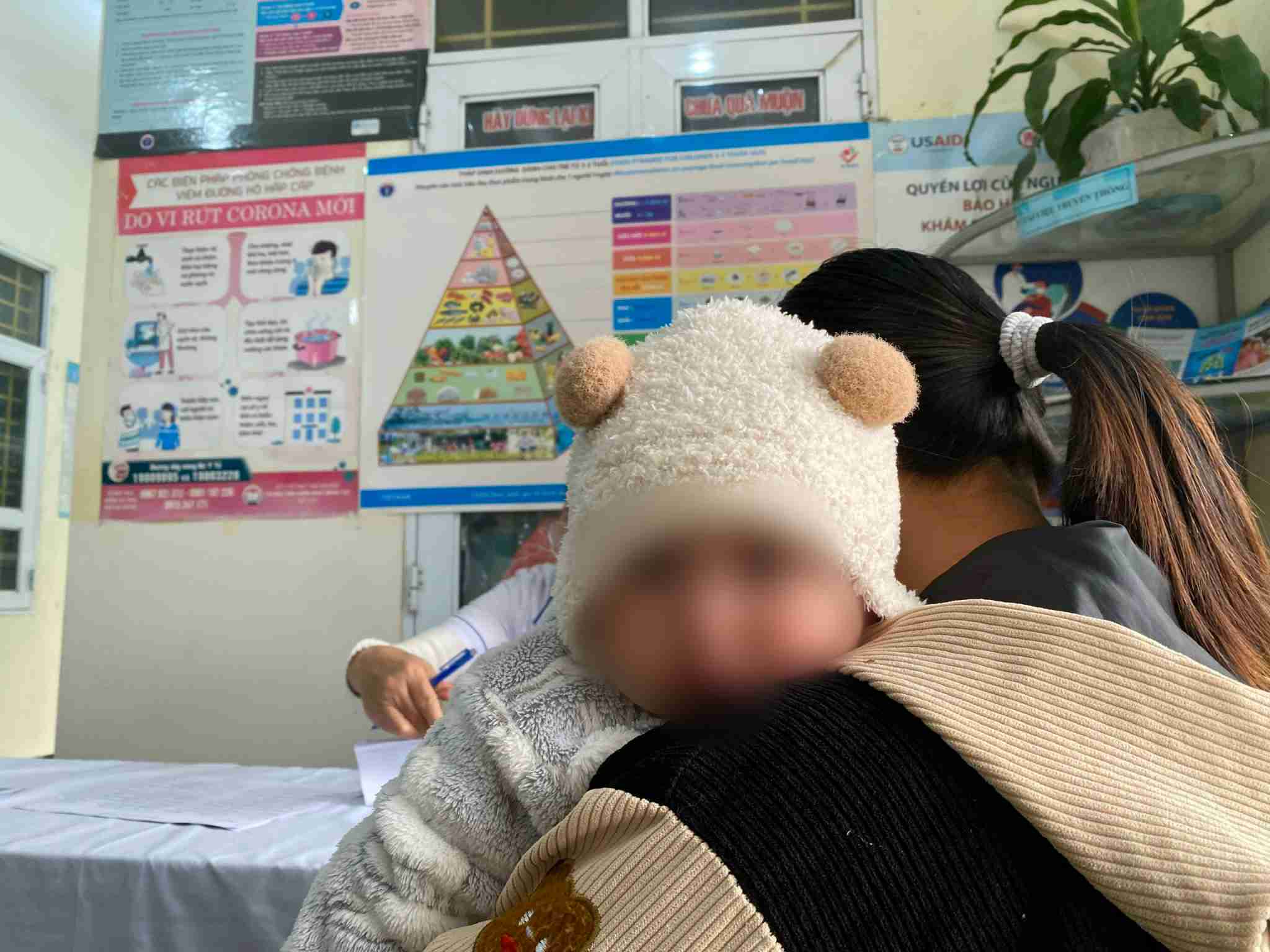
Prevention from the root: Nutrition, vaccination and living habits
Prevention for young children begins with building a solid foundation of health. According to the National Institute of Nutrition, a balanced diet with diverse foods, suitable for age helps increase resistance and support comprehensive development.
Babies need to be fully vaccinated for the first 6 months and continue for at least 2 years, eat properly when they are at the feeding stage and children should eat fully, balancing food groups in the first years of life.
Full vaccination, on schedule is an effective disease prevention measure, helping children avoid many dangerous infectious diseases. The World Health Organization recommends that maintaining a high vaccination rate not only protects each child but also creates community immunity.
In addition, forming healthy living habits for children such as washing their hands regularly, eating cooked, drinking boiled water, maintaining hygiene in the living environment, getting enough sleep and exercising appropriately plays an important role in disease prevention. Children learn these habits mainly through observation and following adults, so parents need to set an example in their daily lives.
According to the recommendation of the Ministry of Health, parents should take their children to medical facilities when there are signs: High fever that does not go down, rapid or difficulty breathing, convulsions, lethargy that is difficult to wake up, continuous vomiting, dehydration, rash with high fever or children who stop eating or drinking for a long time.


