
Ms. Tran Phuong Mai, Tuong Mai ward, Hanoi, said that her family has three children, including two older children of school age and a younger child nearly 3 years old. Before the new school year, she took her two older children to get vaccinated against the flu, and at the same time actively researched and vaccinated her younger children against dengue fever.
Besides vaccination, Ms. Mai also focuses on nutrition, supplementing appropriate vitamins to strengthen the health and resistance of her children.
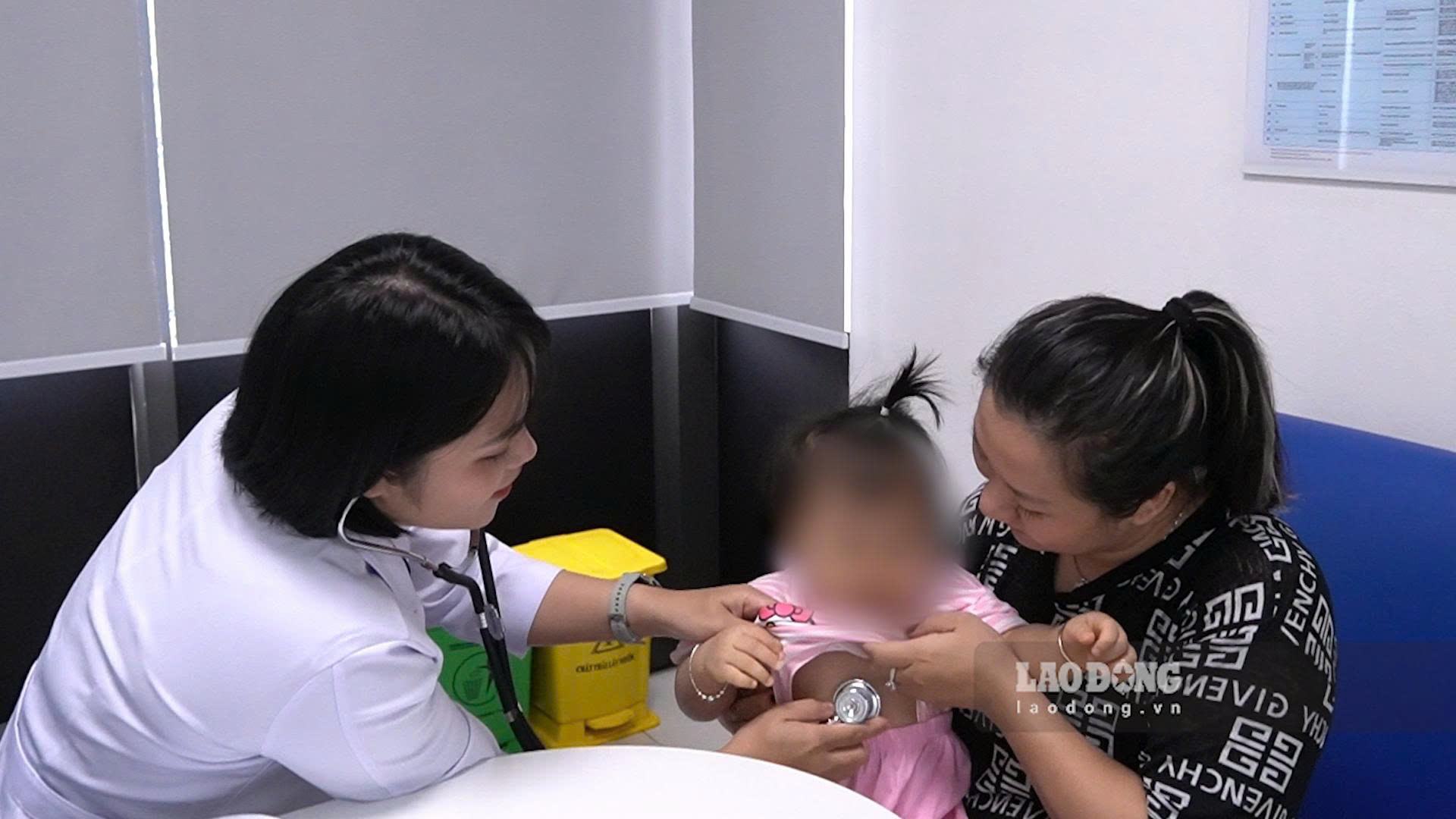
Similarly, Ms. Nguyen Thi Ly's family, Dinh Cong ward, Hanoi, has maintained taking their 10-year-old daughter for regular flu vaccination for many years. This year, after being consulted by doctors, she decided to give her child an additional HPV vaccine to prevent diseases caused by the HPV virus.
According to Ms. Ly, the doctor said that children from 9 years old can be vaccinated against HPV and vaccination at this age helps children proactively create immunity before the risk of exposure to the virus. Therefore, she takes advantage of taking her child for vaccination in the appropriate period, instead of waiting until the child is older.
Doctor Nguyen Thi Nhu, VNVC Truong Chinh Vaccination Center, Hanoi, said that in the preparation phase for the new school year, many parents bring their children to the vaccination center to review their vaccination history, check the vaccinated doses, the missing doses or the reminder vaccination schedule, and complete the vaccination dossier according to regulations.
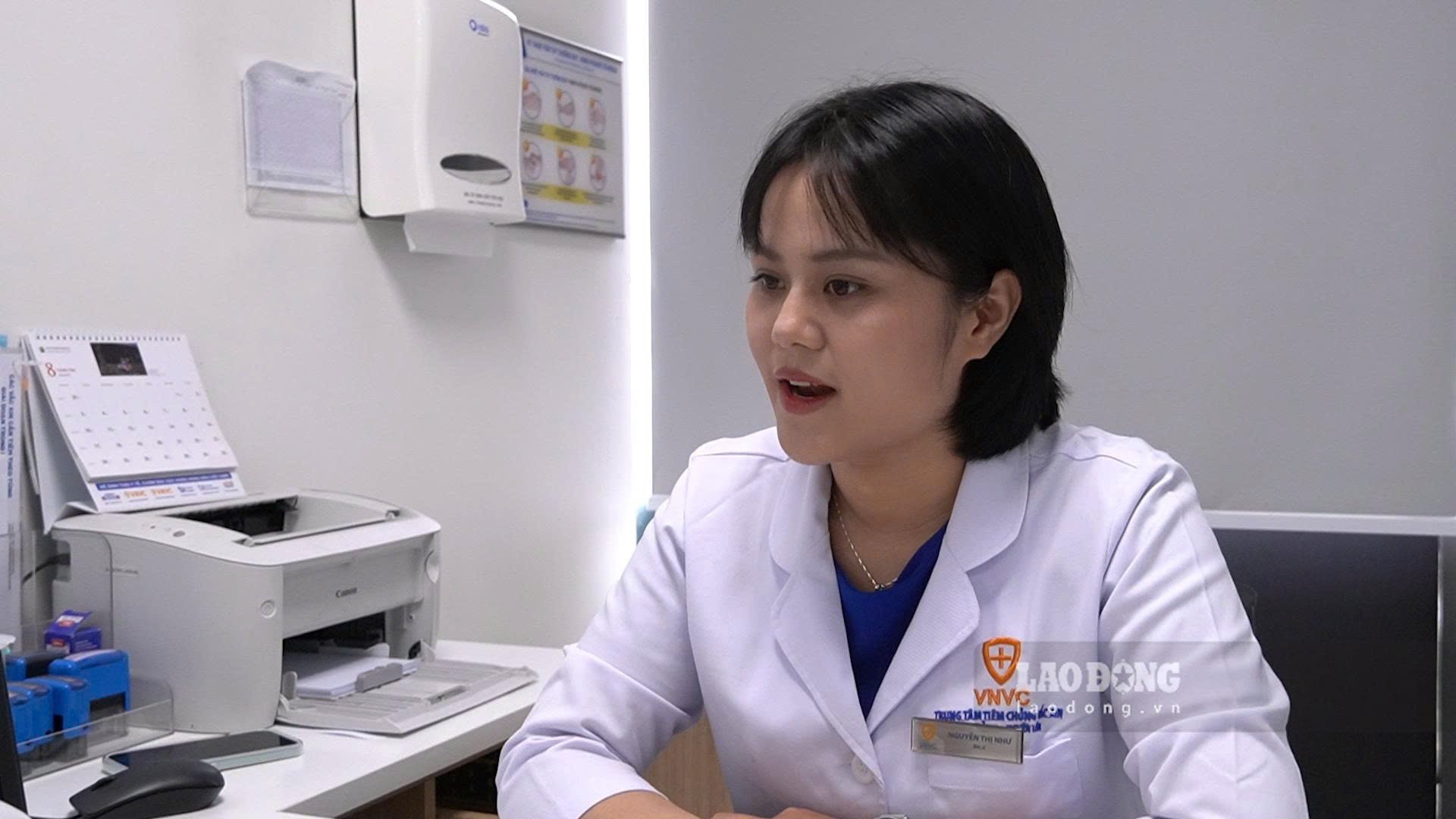
Not only vaccines in the Expanded Program on Immunization, parents are also consulted on service vaccines and new generation vaccines such as flu, pneumococcus, meningococcus, chickenpox, HPV, dengue fever... to help children be better protected when returning to school.
According to doctors, schools are an environment with a large concentration of children, creating conditions for some infectious diseases to spread, especially respiratory diseases. Therefore, in addition to full vaccination, parents need to proactively implement disease prevention measures for children.
Doctors recommend that people maintain a full diet, get enough sleep and exercise regularly to improve health. Children need to be instructed to wash their hands regularly with soap or antiseptic solution, wear masks when going to crowded places or when having respiratory symptoms, keep the living environment ventilated and limit contact with people who are sick.
When children experience symptoms such as fever, cough, sore throat or shortness of breath, parents should proactively take their children to the doctor to determine the cause and provide appropriate treatment instructions, and do not arbitrarily use medicine.


