
According to Dr. Brunda MS, a senior internal medicine consultant at Aster CMI Hospital (Bangalore, India), gas stoves can actually cause air pollution in the house. When gas is burned, the stove will emit substances such as nitrogen dioxide and carbon monoxide. These are gases that can irritate the respiratory tract and worsen lung-related diseases.
Dr. Brunda MS said that in poorly ventilated kitchen conditions, these gases can accumulate in living space. Even when the stove is turned off, small gas leaks can still release toxic chemicals into the air. Children, the elderly and people with asthma or chronic lung disease are the most susceptible groups.
One of the worrying problems is nitrogen dioxide gas. This type of gas can cause cough, shortness of breath and worsen asthma if exposed frequently. Nitrogen dioxide concentrations can increase rapidly when cooking on high heat, cooking for a long time or when windows are closed and no fans are used. In addition, carbon monoxide is a colorless, odorless gas but can cause headaches, dizziness and poisoning if accumulated at a high level.
According to experts, using gas stoves without a suitable ventilation system will increase the risk of respiratory diseases. Prolonged exposure to polluted air in the house can reduce lung function, increasing the risk of respiratory infections, especially in young children.
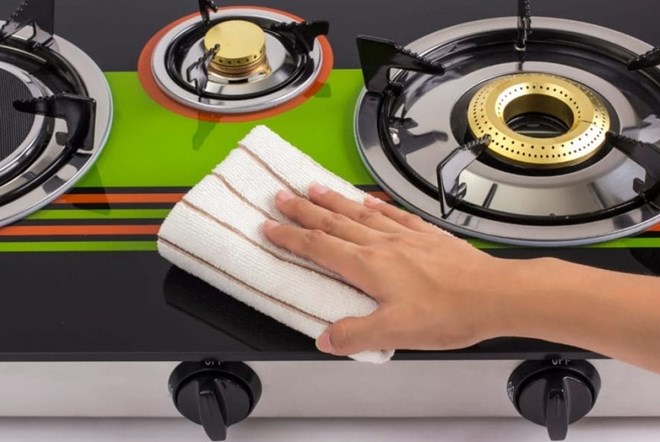
To minimize air pollution from gas stoves, Dr. Brunda MS recommends that people pay attention to improving ventilation in the kitchen. When cooking, fans or chimneys should be turned on to drain exhaust fumes. Opening windows and doors also helps air circulation better. Gas stoves need to be cleaned and maintained periodically to ensure efficient combustion and reduce air leaks.
In addition, users should regularly check the gas system to detect and fix leak points early. You should not use a gas stove to heat the room, as this significantly increases the amount of toxic gas in the closed space. When cooking, you should adjust the flame level to medium or small instead of continuous high flames.
To protect health, experts also recommend keeping a safe distance when cooking, avoid standing too close to the kitchen for long periods, especially when frying. Children should be guided to stay away from the kitchen area to limit the risk of inhaling exhaust gas and prevent accidents.
Gas stoves can become a source of air pollution in the house when used improperly or in air-stained spaces. Maintaining a safe cooking habit, keeping the kitchen always ventilated and maintaining the stove periodically will help limit health risks, while contributing to creating a safe living environment for the whole family.


