
Alarming figures
High blood pressure, overweight and obesity have long been considered health problems for adults. However, survey results in Nghe An show that these diseases are clearly appearing in school age, posing an urgent requirement for prevention, screening and lifestyle changes for students.
According to a scientific report on the condition of high blood pressure, overweight, and obesity in people aged 10 to 18 in Nghe An, conducted by Assoc. Prof. Dr. BSCKII Cao Truong Sinh - former Vice Rector of Vinh Medical University, former Director of Vinh Medical University Hospital - the survey was conducted on 10,943 students at 16 secondary schools and 7 high schools, representing the geographical areas of the province.
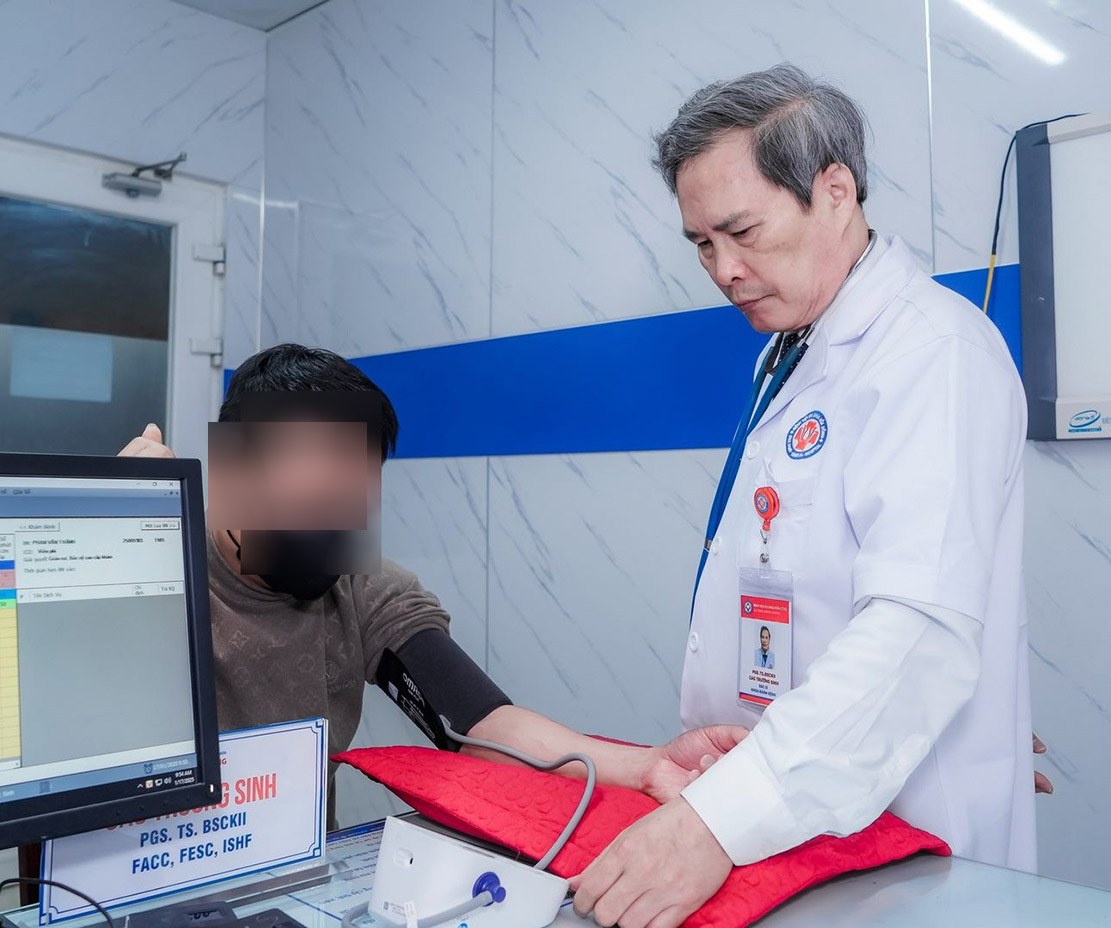
The results showed that the general rate of high blood pressure in students was 5.7%. Of which, male students accounted for 6.1%, higher than female students with 5.3%. Notably, in some mountainous areas such as Que Phong High School, the rate of high blood pressure in students reached 11.8%.
Regarding overweight status, the overall rate recorded is 16.9%. Some schools in urban areas have a high rate of overweight students, such as Hung Dung Secondary School with 26.2% and Le Loi Secondary School with 26.9%.
Meanwhile, the general obesity rate for the whole province is 4.8%. Male students have an obesity rate of 7%, much higher than female students at 2.7%.
The above data reflects a noteworthy reality about school health. High blood pressure in children often progresses silently, with few clear manifestations, so it is easily overlooked if not checked periodically.
According to reports, if not detected and controlled early, high blood pressure can affect the heart, blood vessels and kidneys. In school age, this condition can increase the burden on the heart, causing damage to blood vessels and affecting the filtration function of the kidneys.
Along with high blood pressure, overweight and obesity are also important risk factors. Obesity is not only related to metabolic disorders, insulin resistance, the risk of type 2 diabetes, but can also affect the bone and joint system, sleep and psychology of children.
Notably, overweight and obese children may face psychological pressure in the school environment. Being teased, being self-conscious about their appearance, or restricting physical activity can make them even less active, creating a vicious cycle that long-term affects their health.
Causes from meals, exercise and study pressure
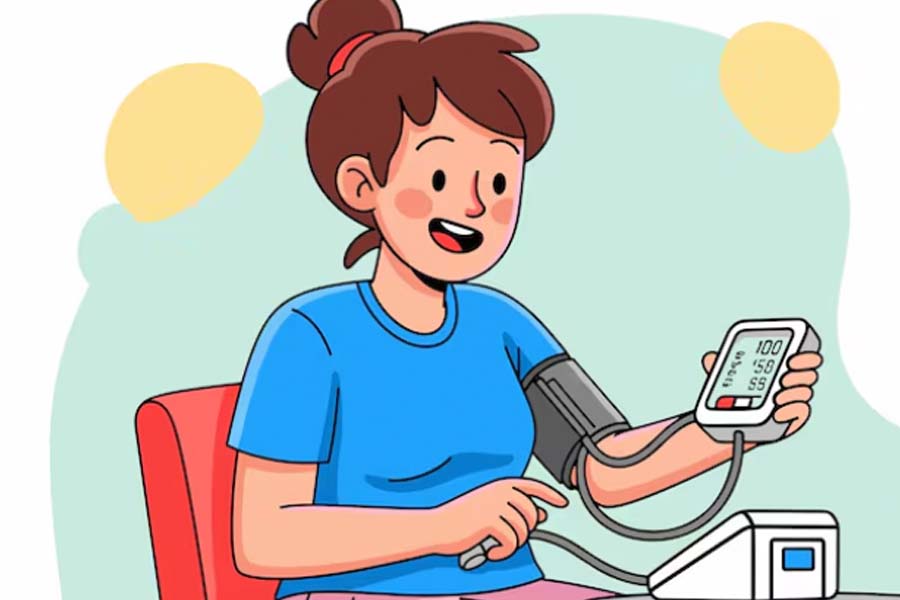
According to analysis in the report, lifestyle changes are one of the important reasons why diseases that are common in adults are increasingly appearing in children and adolescents.
An unbalanced diet, consuming a lot of fast food, fried foods, soft drinks and processed foods causes students to consume a lot of energy but lack essential micronutrients. The habit of eating salty food is also a factor that increases the risk of high blood pressure.
In addition, a static lifestyle is becoming popular. Many students spend more time on TVs, smartphones, computers and video games, while physical activity time does not meet development needs.
Study pressure, exams, and social relationships can also increase prolonged stress, affecting students' physical and mental health.
Need coordination between family, school and healthcare
From the survey results, experts believe that the prevention of high blood pressure, overweight and obesity in students needs to be implemented synchronously, with the participation of families, schools and the school health system.
In families, parents need to build a balanced meal, increase green vegetables, fruits, whole grains, limit fast food, sugary drinks and salty foods. Parents also need to set an example in exercise, regular living and avoid creating negative weight pressure on children.
In schools, it is necessary to focus on improving semi-boarding meals, reducing sugar, salt and unhealthy fats. Physical activities, sports clubs, and exercise hours need to be organized appropriately, creating an environment for students to exercise regularly.
For school health, periodic screening by measuring blood pressure, monitoring height, weight and BMI is important. Through this, cases at risk will be consulted, monitored or transferred to specialized facilities when necessary.
High blood pressure, overweight and obesity in the age group of 10-18 are no longer isolated issues. Figures from Nghe An show that school health needs to be concerned as a public health issue, in which early prevention is the most sustainable solution.


