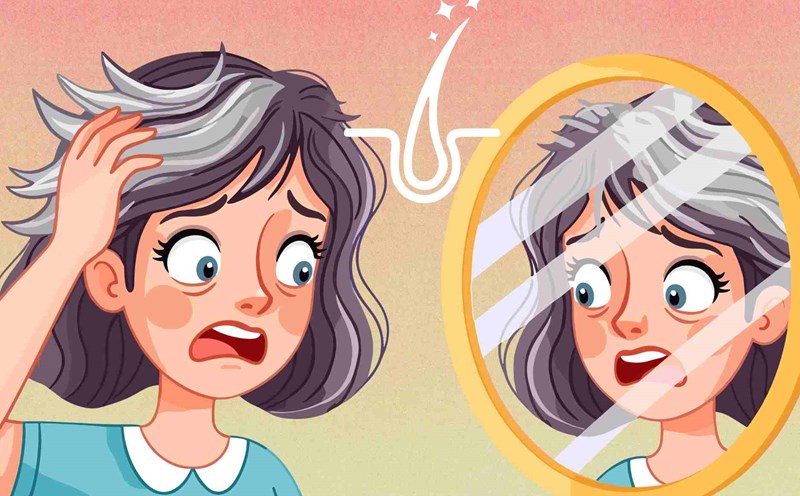
Previously, gray hair was often considered a sign of aging. However, more and more people in their 20s have gray hair. Besides genetic factors, stress and environmental pollution, a diet lacking nutrients is a noteworthy cause.
According to Dr. Shireen Furtado, a dermatologist at Aster CMI Hospital (India), hair color is determined by melanin-producing melanocytes. To function normally, these cells need to be provided with adequate vitamins and minerals. When the body lacks essential nutrients, the melanin production process may decline, causing hair to lose color early.
Important nutrients related to premature graying
Vitamin B12: This is a micronutrient that plays an important role in producing red blood cells and transporting oxygen to hair follicles. Vitamin B12 deficiency is closely related to premature graying in young people.
Iron deficiency reduces the amount of oxygen supplied to the roots of hair, affecting hair growth and pigmentation.
This mineral is involved in the formation of melanin. Low copper concentrations can directly affect hair color.
Hair is mainly made of keratin, a protein. Protein deficiency can make hair weak, brittle and affect pigmentation.
In addition, folate and vitamin D deficiency is also recorded to be associated with premature graying.
Not just due to nutrition
Although nutrient deficiency can contribute to premature graying, this is not the only cause. Genetic factors still play an important role. If your parents or grandparents have had premature graying, the possibility of you encountering a similar situation is also higher.
In addition, prolonged stress, smoking, thyroid disorders and some autoimmune diseases can also affect the process of hair pigmentation, causing hair to lose color earlier than normal.
What to do to limit premature graying hair?
To support maintaining natural hair color, a balanced diet should be built with green leafy vegetables, nuts, eggs, milk, fish, beans and whole grains. It is necessary to ensure sufficient protein from foods such as beans, lean meat, or dairy products.
If gray hair appears early or increases rapidly, vitamin B12 and iron levels should be checked. Maintaining adequate sleep, regular exercise and avoiding smoking also contribute to improving overall hair health. At the same time, avoid excessive diets because they can cause the body to lack the necessary micronutrients for pigmentation.
Notes
Early gray hair at age 20 is not only related to genetic factors but can also reflect nutritional deficiencies. Focusing on a balanced diet and regular health monitoring helps detect potential problems early and supports maintaining long-term healthy hair.