The Louvre Museum (Paris, France) confirmed that a leak in late November damaged 300-400 documents in the Egyptian antiquities department, in the context of a series of questions about the quality of the museum's infrastructure continuing to arise after a daring theft worth 102 million USD in October.
The museums deputy managers, Mr. Francis Steinbock, said the main documents affected were the Egyptian Journal and scientific research documents, which date from the late 19th century to the early 20th century.
Although very useful to experts, he affirmed that these are not original artifacts and that no ancient artifacts were damaged.
According to Steinbock, up to now, there is no permanent loss in the collection. The documents will be dried, transferred to the recycling workshop and returned to the warehouse after completion.
The incident occurred right when the debate over Louvre infrastructure was heating up, after a gang of 4 people broke into the middle of the day, stole a jewelry set worth 102 million USD in just 7 minutes, then escaped peacefully right in the heart of the world's most famous museum.
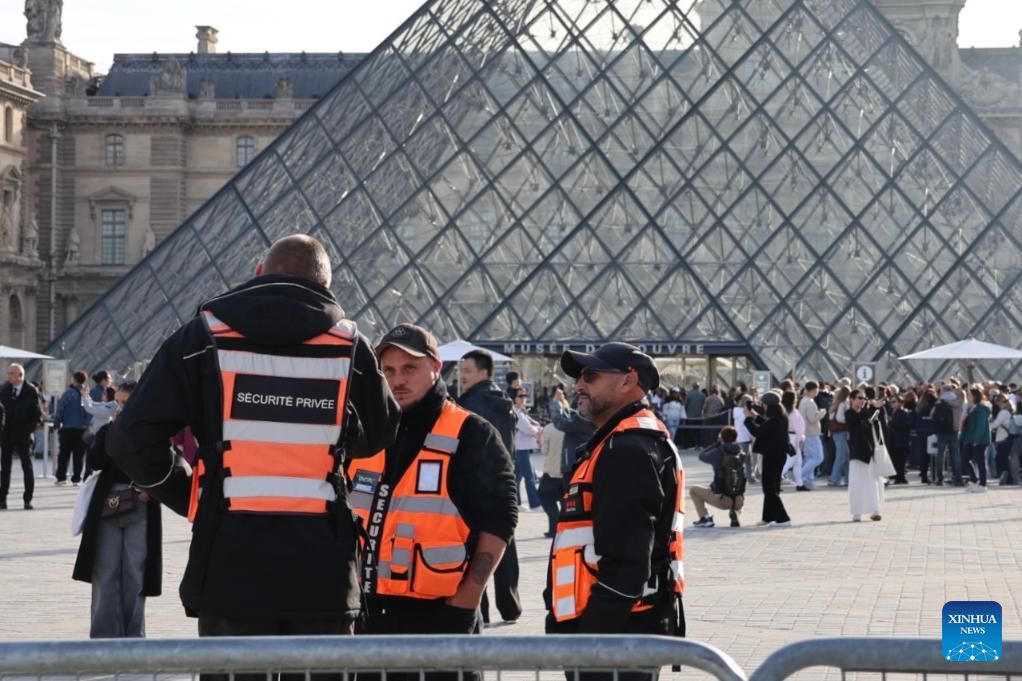
The Louvre said it would conduct an internal investigation into the leak. The initial cause was determined to be a valve in the heating and ventilation system that was turned on incorrectly, causing water to seep through the ceiling of the Mollien wing area - where the Egyptian library was kept.
The system is described as completely outdated, has been inaccessible for many months and is expected to be replaced in September 2026. The new incident further details the level of infrastructure degradation while the Louvre still welcomes millions of visitors each year.
At the end of November, the Louvre announced a ticket price increase of 32 euros for most tourists outside the EU - including US, UK, Chinese visitors... This is a 45% increase, expected to help the museum earn an additional $23 million per year to serve infrastructure renovation.
In 2024, the Louvre will welcome 8.7 million visitors, of which 69% are international visitors, continuing to hold the title of the most visited museum in the world. However, a series of recent incidents has left Paris facing a big question: Is France's "artistic heart" overloaded by time pressure and a huge number of visitors?