Ông Andreas Ronken, giám đốc điều hành hãng socola khổng lồ Ritter Sport của Đức cho biết đã nhận được những lời dọa giết vì tiếp tục cung cấp bánh kẹo cho Mátxcơva, nhưng ông vẫn ở lại Nga.
Nhiều công ty phương Tây đã cắt đứt quan hệ với Nga sau khi Mátxcơva bắt đầu chiến dịch quân sự ở Ukraina vào tháng 2.2022. Những công ty ở lại đã bị các chính trị gia và nhà hoạt động Ukraina gây áp lực, thúc giục họ ngừng kinh doanh và ở một số nước, trong một số trường hợp, đe dọa tẩy chay.
Trong cuộc phỏng vấn với tạp chí tin tức Focus của Đức ngày 30.5, Andreas Ronken nói rằng mạng sống của ông bị đe dọa, nhưng từ chối cung cấp thêm thông tin chi tiết.
Ông nói với tạp chí Focus: “Quyết định của chúng tôi tiếp tục sản xuất và bán socola ở Nga là một quyết định đúng đắn và tôi sẽ không thay đổi quyết định”.
“Nga là thị trường lớn thứ hai của chúng tôi. Nếu chúng tôi rời đi, chúng tôi sẽ phải sa thải 200 nhân viên tại cơ sở ở Waldenbuch” - ông giải thích, đề cập đến nhà máy ở bang Baden-Wuerttemberg của Đức.
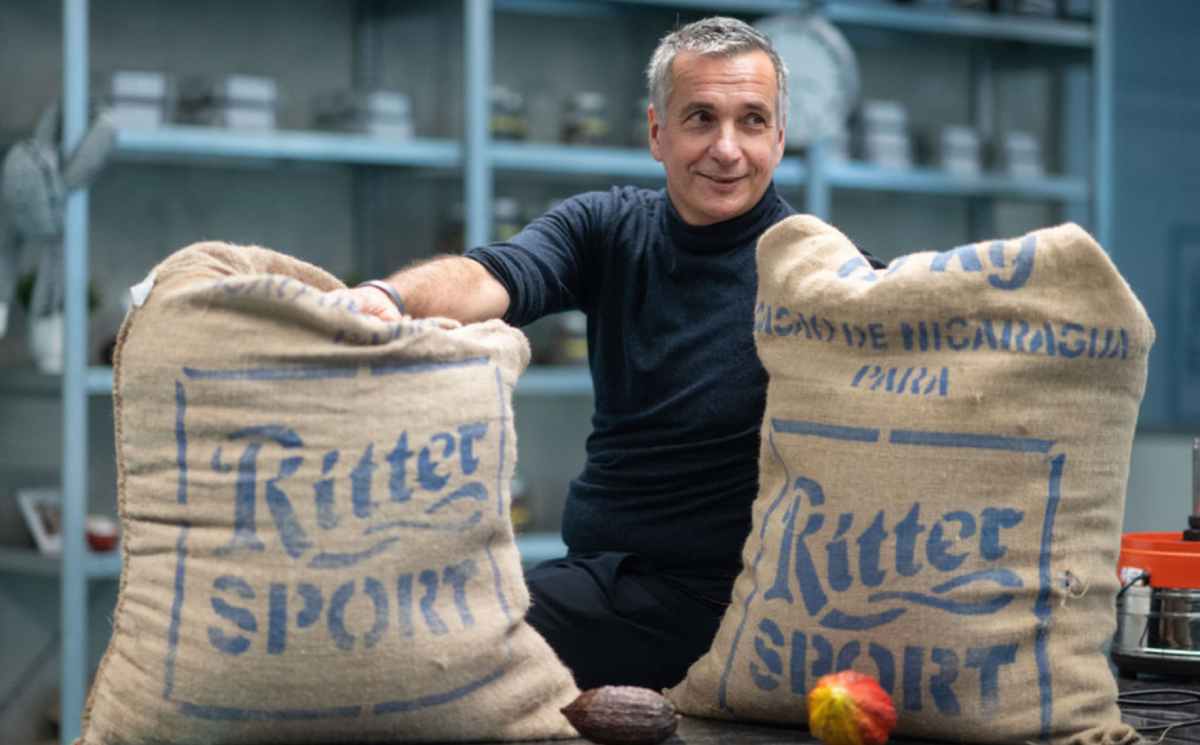
Đồng thời, Ritter Sport đã quyên góp gần 1 triệu euro (1,08 triệu USD) từ số tiền kiếm được ở Nga vào năm 2023 để viện trợ cho Ukraina.
“Chúng tôi chắc chắn không thể đứng ngoài mọi chuyện về mặt chính trị được nữa”, Ronken nói với Focus.
Đầu năm nay, nhóm hoạt động Ukraina Vitsche đã kêu gọi hai chuỗi siêu thị Đức tẩy chay socola Milka vì công ty này vẫn tiếp tục kinh doanh tại Nga. Công ty mẹ Mondelez - công ty sở hữu thương hiệu Thụy Sĩ - đã bị Ukraina đưa vào danh sách đen vào năm ngoái, trong nỗ lực gây áp lực buộc gã khổng lồ thực phẩm Mỹ cắt đứt quan hệ với Mátxcơva.
Tờ Financial Times đưa tin, bất chấp áp lực quốc tế buộc phải rời đi, hơn một nửa số công ty phương Tây ban đầu công bố kế hoạch rút lui cuối cùng vẫn ở lại Nga. Tăng trưởng kinh tế mạnh mẽ của Nga được cho là một yếu tố khiến các công ty phương Tây quyết định bám trụ.
Theo cơ quan thống kê quốc gia Rosstat, GDP của Nga đã tăng 5,4% trong quý I/2024. Trong khi đó, Quỹ Tiền tệ Quốc tế dự báo nền kinh tế Nga sẽ tăng 3,2% vào năm 2024, vượt tốc độ tăng trưởng dự kiến của Mỹ (2,7%), Anh (0,5%), Đức (0,2%) và Pháp (0,7%).
Theo Rosstat, tiền lương thực tế ở Nga cũng tăng gần 8% vào năm ngoái - mức tăng lớn nhất trong 5 năm.
Phát biểu tại cuộc họp chính phủ trong tháng này, Tổng thống Nga Vladimir Putin nói rằng các biện pháp trừng phạt quốc tế đã không thể cản trở nền kinh tế Nga và trên thực tế đã đạt được “kết quả trái ngược với những gì phương Tây mong đợi”.