Hungary is an EU and NATO member, considered by the EU to be a member that rarely accompanies the EU. Hungarian Prime Minister Viktor Orban is in harmony with US President Donald Trump and has a close personal relationship with Russian President Vladimir Putin, while the EU has troubled relations with the US and rival Russia. Mr. Orban has been in power continuously in Hungary since 2010 and is determined to win his 6th election. Previous elections were quite simple for Mr. Orban, but this time is completely different, because the political opponent is not only a formidable opponent but also somewhat more prominent according to the results of public opinion polls in Hungary.
The EU wants Mr. Orban to lose the election while Mr. Trump and Mr. Putin hope Mr. Orban will continue to lead Hungary. The reason and purpose are not difficult to understand. If Mr. Orban loses the election, the force hindering within the EU will no longer be the "leader", thereby unifying views and coordinating actions of the EU in supporting Ukraine and dealing with Russia will be more favorable. If Mr. Orban continues to rule in Hungary, Mr. Trump and Mr. Putin will continue to have allies with values no different from the "Trojan horse" within the EU.
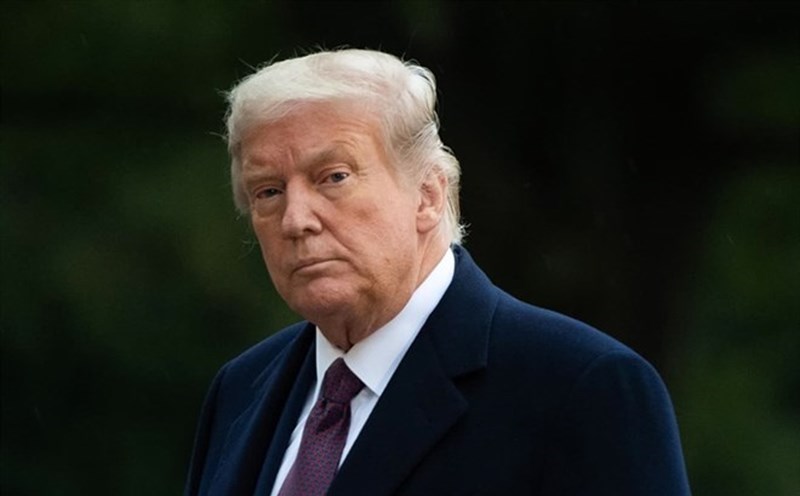
The election results are decided by Hungarian voters, but outsiders are particularly concerned. Therefore, this parliamentary election is strongly affected, even directly from outside. Before the election day, both US Vice President JD Vance and US Secretary of State Marco Rubio came to Hungary. Mr. Trump also publicly expressed his support for Mr. Orban on social networks, calling on Hungarian voters to vote for Mr. Orban and declaring that the US will strongly support Hungary economically, but only if Mr. Orban is re-elected.
Russia is not as public and direct as the US, but criticizes and accuses the EU of interfering in the parliamentary elections in Hungary by directly supporting Mr. Orban's main political opponent, Mr. Peter Magyar, leader of the Tisza Party (Party for Respect and Freedom) newly established in 2021.
According to the results of public opinion polls in Hungary recently, Mr. Magyar is assessed to have more chances of winning than Mr. Orban. However, the actual credibility of these polls is still limited, because out of a total of 199 parliamentary seats, up to 106 delegates are directly elected by constituency - where candidates compete individually with each other - while only 93 seats are allocated according to party lists.
The EU accuses Mr. Orban of restructuring the constituency in Hungary so that candidates from his side have the highest chance of winning. Therefore, up to now, no one can be sure whether Mr. Orban will lose the election or Mr. Magyar will win. The situation is still in the hands of voters and outside observers are anxiously waiting for the results of this election: will Hungary continue its trajectory as before or enter a new beginning, with impacts that can spread beyond the national scope.
Also according to public opinion polls in Hungary, voters are currently more interested in domestic issues than foreign affairs or continental security - politics topics. A significant part wants to reduce disagreements between Hungary and the EU, while another part tends to want to rely more on the US instead of the EU.
However, it can be clearly seen that in case of re-election, Mr. Viktor Orban will find it difficult to maintain the current 2/3 majority in Parliament.