Quần thể cá băng khổng lồ được phát hiện bên dưới lớp băng bao phủ biển Weddell ở Nam Cực, theo nghiên cứu mới được công bố trên tạp chí Current Biology.
Tháng 2.2021, tàu nghiên cứu Polarstern của Đức đang khảo sát đáy biển qua hệ thống camera kéo có độ sâu hơn 300m dưới mặt biển và truyền hình ảnh lên boong để các nhà nghiên cứu trên tàu xem.
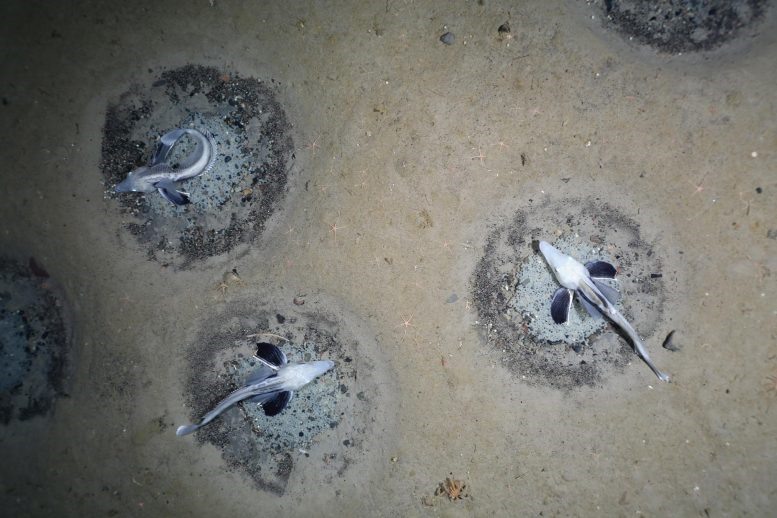
Những gì các nhà khoa học quan sát trên tàu là một phát hiện bất ngờ: Một số lượng lớn tổ cá băng dường như trải rộng theo mọi hướng.
"Ý tưởng về một khu vực sinh sản khổng lồ như vậy của cá băng ở biển Weddell chưa được phát hiện trước đây thực sự hấp dẫn" - Autun Purser, nhà sinh vật học biển sâu tại Viện Wegener, Trung tâm Nghiên cứu Biển và Địa cực Helholtz, đồng thời là tác giả chính của nghiên cứu, cho biết.
“Sau phát hiện ngoạn mục về nhiều tổ cá băng, chúng tôi đã nghĩ đến chiến lược để tìm hiểu xem khu vực sinh sản rộng lớn tới mức độ như thế nào. Thực sự là không có điểm kết thúc nào cả" - tác giả chính của nghiên cứu phát hiện quần thể cá băng khổng lồ ở đáy biển Nam Cực chia sẻ thêm.
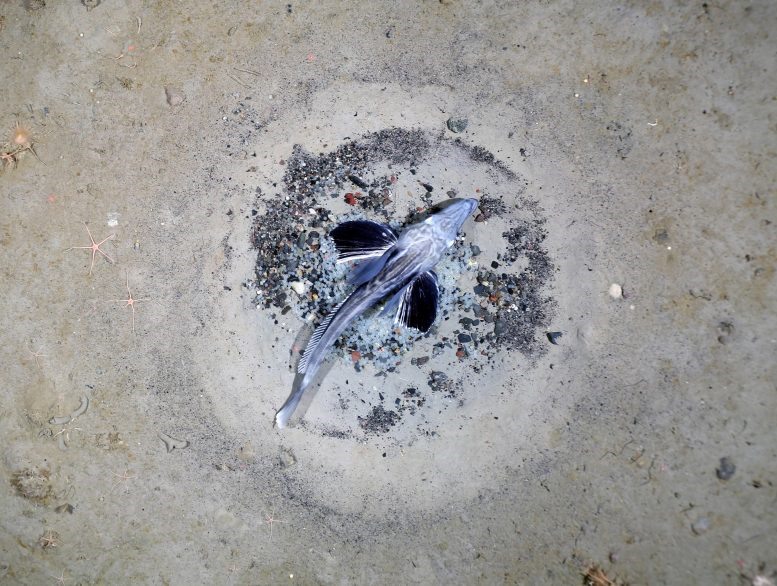
Camera đã ghi lại hơn 16.000 tổ cá băng trong quá trình lặn kéo dài 4 giờ. Theo các nhà nghiên cứu, việc lập bản đồ khu vực này cho thấy tổng số tổ cá băng là khoảng 60 triệu, trải rộng trong khu vực khoảng 238km2 dưới đáy biển. Phát hiện này giúp quần thể cá băng trở thành đàn cá sinh sản lớn nhất từng được tìm thấy.
Những tổ cá băng tròn ở đáy biển Nam Cực thuộc quần thể khổng lồ này ở cách nhau khoảng 25cm, có độ sâu khoảng 15cm và đường kính khoảng 73cm. Một số loại tổ cá băng đã được các nhà quan sát phân loại, bao gồm tổ đang hoạt động chứa 1.500 đến 2.500 trứng được cá băng trưởng thành bảo vệ, có những tổ cá băng chỉ chứa trứng và những tổ trống.
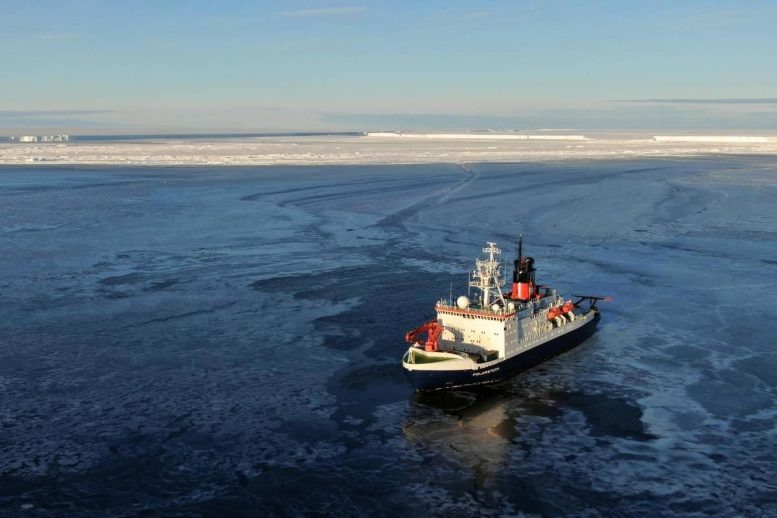
Hệ thống camera đã được triển khai để giám sát khu vực sinh sản rộng lớn của cá băng ở Nam Cực cho đến khi một tàu nghiên cứu quay trở lại khu vực này vào cuối năm nay để nghiên cứu thêm.