
On August 4, according to Xinhua news agency, prolonged heat and drought are pushing many European countries into water shortages, disrupting waterway traffic and putting great pressure on the power system. Faced with this development, many countries have had to implement emergency measures to ensure water and energy supplies.
In Italy, the Po River Basin Management Authority has raised the drought warning level in the Po valley to "highly serious". More than 100 cities in the Piedmont and Lombardy regions are facing difficulties with domestic water, forcing authorities to deploy tanker trucks to continuously replenish water for reservoirs.
In Belgium, the Brussels government called on people to limit water-consuming activities such as washing cars, watering grass and filling swimming pools. Many localities in Wallonia have implemented measures to limit water use, while Flanders has issued an orange-colored drought warning.
Hot weather also increases pressure on the power system. In Cyprus, a temperature of nearly 43 degrees Celsius at the end of July caused record electricity demand, forcing authorities to rotate power cuts in some areas to ensure grid stability.
Meanwhile, water levels on many major rivers in Europe continue to fall to record lows, directly affecting transportation and energy production.
On July 30, the Rhine River in the Netherlands recorded its lowest water level ever. At the German point of Kaub, which is considered an important bottleneck on the Rhine transport route, the water level is only 28cm, forcing many ships carrying coal, ore, cereals and fuel to reduce their tonnage.
A similar situation also appeared in Belgium when many ships could only transport about 80-90% of their designed capacity, increasing the risk of delays in fuel transportation.
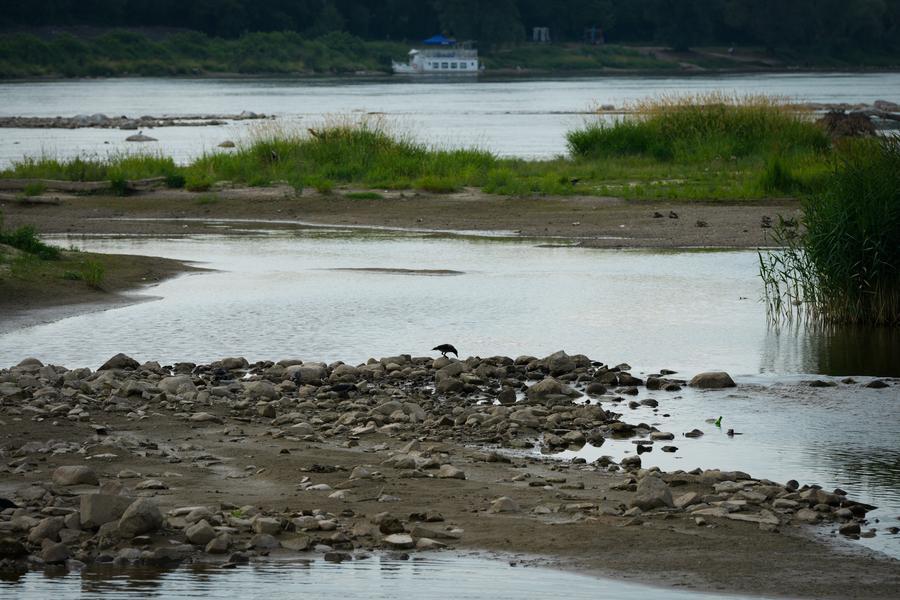
Not only transportation, the energy sector is also heavily affected. In Hungary, the low water level of the Danube River has caused the Paks Nuclear Power Plant, which supplies nearly half of the country's electricity output, to face the risk of completely ceasing operation for the first time in 44 years. In Serbia, the two Djerdap hydropower plants are only operating at about 20-30% capacity, while some thermal power units have also had to reduce production due to lack of cooling water.
To respond, Hungary has prepared plans to cut electricity for large enterprises, and at the same time turn off lighting systems at many iconic buildings. Serbia increases reserves of coal, oil and electricity, and at the same time shifts part of fuel transport from waterways to railways.
Experts warn that if drought continues in August and September, Europe may face more serious impacts on water resources, energy and supply chains.


