Người dân ở Vương quốc Anh được cho là ăn uống kém lành mạnh hơn, bỏ bữa nhiều hơn và tăng cường tìm khuyến mại.
Báo cáo mới đây của nhóm giám sát người tiêu dùng "Which?" cho biết, hàng triệu hộ gia đình Anh buộc phải bỏ bữa hoặc mua thực phẩm rẻ hơn do giá các mặt hàng cơ bản tăng cao.
Theo báo cáo công bố ngày 20.10, hơn 8/10 người Anh được hỏi (85%) đang thay đổi thói quen ăn uống để đáp ứng với việc chi phí sinh hoạt tăng cao.
Cách phổ biến nhất để đối phó với lạm phát là tìm khuyến mại - đây là cách mà hơn một nửa (55%) số người được hỏi cho biết đã làm.
Tổng cộng 50% người được hỏi cho biết đang chuyển sang các sản phẩm rẻ hơn mà trước đây họ không mua. Khoảng 18% nói đã bắt đầu mua nhiều thực phẩm đông lạnh; 5% mua thực phẩm chế biến chỉ cần quay trong lò vi sóng để tiết kiệm tiền.
Trong số những người đang ở trong tình trạng "rất khó khăn" về tài chính, gần như tất cả (99%) cho biết họ đang tiết kiệm tiền mua thực phẩm theo một cách nào đó, trong khi 50% cho biết đã bỏ bữa.
26% người được hỏi mô tả tình hình tài chính “khá khó khăn”.
47% người có cuộc sống thoải mái cũng cho biết đang cố gắng tiết kiệm tiền mua thực phẩm.
Sự thay đổi trong hành vi đi kèm với những ảnh hưởng tiềm ẩn đối với sức khỏe của mọi người, theo báo cáo của "Which?".
46% người tiêu dùng được hỏi nói rằng họ cảm thấy khó ăn uống lành mạnh so với thời điểm trước khi khủng hoảng. Tỉ lệ này tăng lên 78% trong số những người gặp khó khăn về tài chính.
Sue Davies - người đứng đầu chính sách về quyền của người tiêu dùng và thực phẩm của "Which?" - cho biết: “Tác động tàn khốc của khủng hoảng chi phí sinh hoạt là tình trạng hàng triệu người bỏ bữa hoặc chật vật để có các bữa ăn lành mạnh.
Bà kêu gọi các siêu thị bán nhiều sản phẩm có lợi cho sức khoẻ với giá hợp lý hơn để giúp những người gặp khó khăn.
Báo cáo dựa trên một cuộc khảo sát trực tuyến do Yonder thực hiện với sự tham gia của 2.791 người trưởng thành ở Anh.
Lạm phát ở Anh đã tăng lên 10,1% trong 1 năm tính đến tháng 9 - theo Văn phòng Thống kê Quốc gia. Giá thực phẩm tăng tới 14,6% là nguyên nhân lớn nhất dẫn đến việc lạm phát quay trở lại ở mức cao nhất trong vòng 40 năm qua.
Bên cạnh giá thực phẩm tăng cao, chi phí giao thông cũng tăng 10,9%, trong khi giá đồ nội thất và đồ gia dụng tăng 10,8%.
Ngày 20.10, Thủ tướng Anh Liz Truss tuyên bố từ chức chỉ sau sáu tuần tại vị. Bà Truss nhậm chức trong bối cảnh khủng hoảng chi phí sinh hoạt, cuộc chiến ở Ukraina và những ảnh hưởng kéo dài của đại dịch COVID-19.
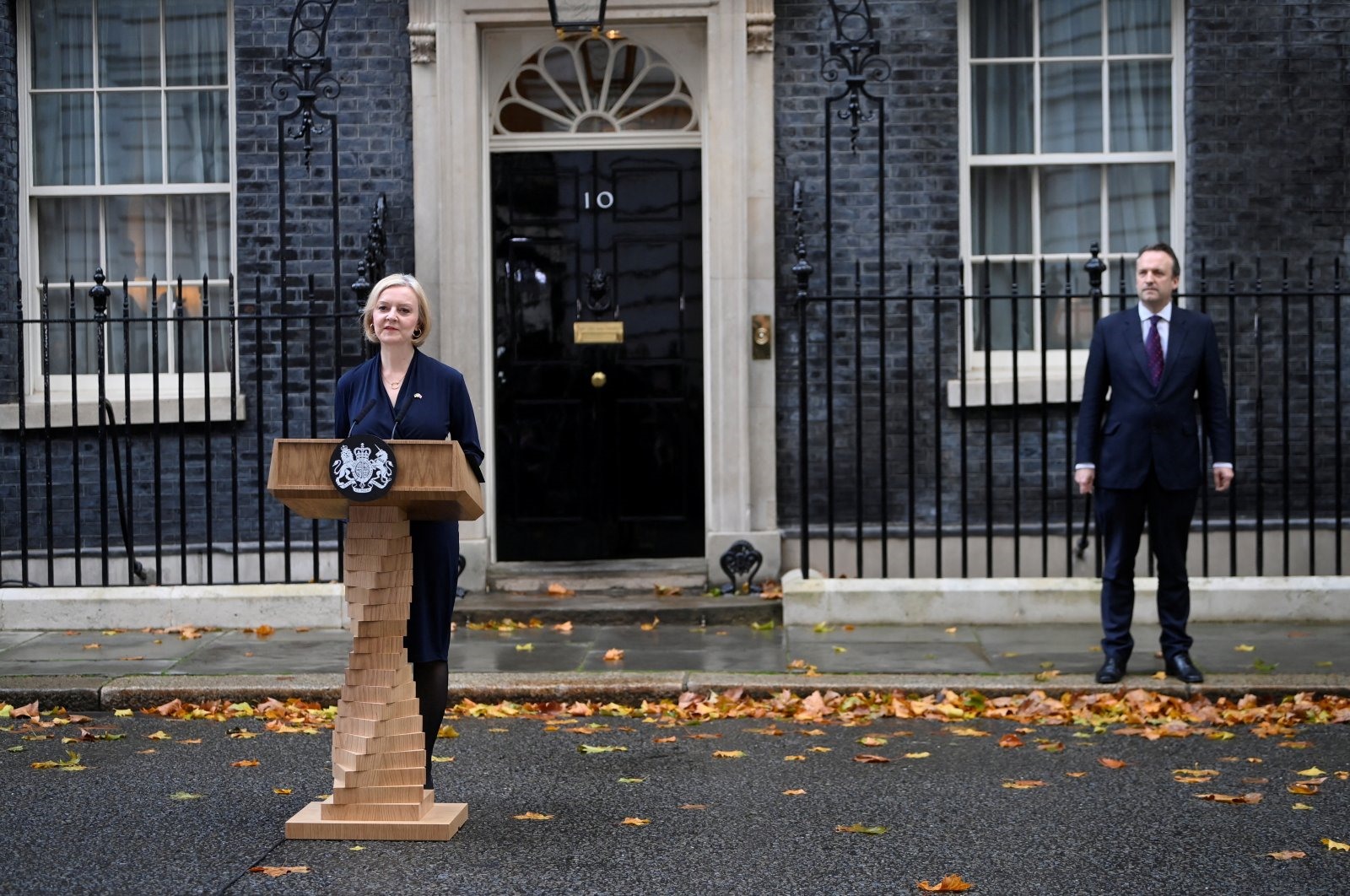
Nhiệm kỳ thủ tướng của bà Truss bị ảnh hưởng bởi tình trạng hỗn loạn khi các chính sách kinh tế của bà đe dọa sự ổn định tài chính của đất nước, khiến đồng bảng Anh xuống mức thấp kỷ lục, gây ra sự hỗn loạn trên thị trường trái phiếu.
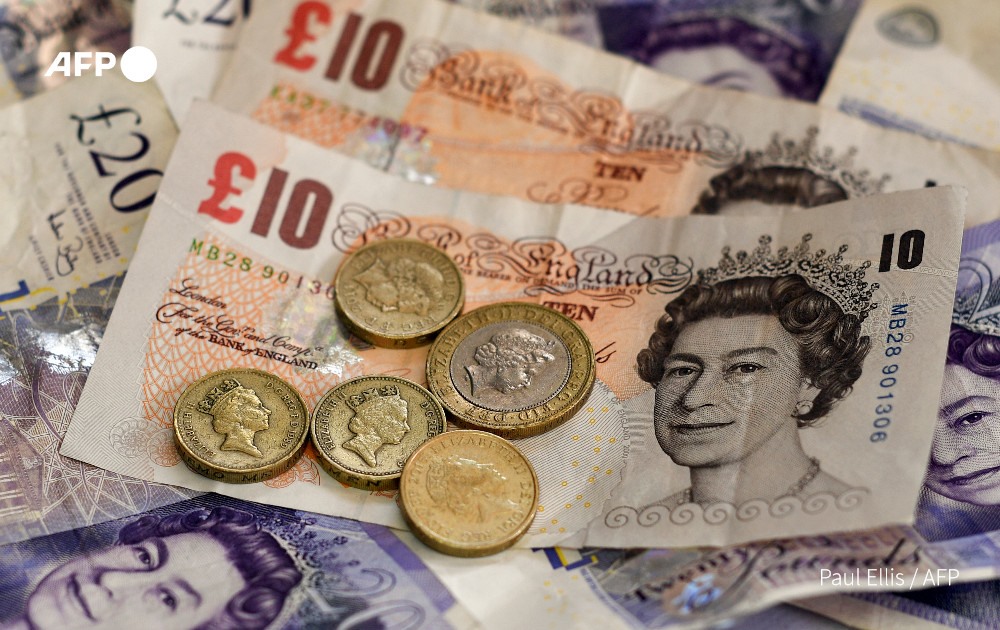
Ngày 20.10, sau thông tin Thủ tướng Anh Liz Truss từ chức, đồng bảng Anh đã tăng 0,5%, tỷ giá so với USD là 1 bảng Anh đổi 1,13 USD trước khi giảm nhẹ trở lại.
Chứng khoán Anh ban đầu cũng tăng điểm trên FTSE 100 trước khi giảm, với FTSE 250 vẫn giữ sắc xanh.
Một nhà phân tích nói với BBC rằng các thị trường đã "nhẹ nhõm" trước sự ra đi của Truss mặc dù vẫn còn nhiều bất ổn.
Trong tuyên bố từ chức, bà Liz Truss thừa nhận không thể hoàn thành nhiệm vụ của mình. Chính sách cắt giảm thuế lớn của bà Truss nhưng không giải thích cặn kẽ đã khiến chi phí đi vay tăng vọt.