
According to the Mexican government, a ship carries about 536 tons of food and essential goods, including milk, rice, beans, sardines, meat products, biscuits, canned tuna and vegetable oil, along with many personal hygiene items. The second ship carries more than 277 tons of milk powder.
At Havana port, many people came to witness the moment the ship docked. Yohandri Espinosa, a 34-year-old engineer, brought his daughter to see and take pictures. He said: "This is an extremely important source of aid for the Cuban people at this time. We are living in a difficult time, full of deprivation and uncertainty, and we don't know how long this situation will last.
Cuban President Miguel Díaz-Canel called the threats from the US a "energy blockade", emphasizing that this situation is affecting transportation, hospitals, schools, tourism and even food production.
Cuban aviation officials earlier this week warned airlines that the island nation does not have enough fuel to refuel aircraft.
On February 9, Air Canada announced a temporary suspension of flights to Cuba. Some other airlines also had to adjust their schedules and transit in the Dominican Republic before continuing to fly to Havana. The fuel shortage is forecast to inflict another strong blow on the tourism industry, which was once a bright spot of the Cuban economy.
Javier González, a resident sitting on a famous embankment in Havana watching a Mexican ship dock, shared: "Sometimes you think things will get better, but in reality it's not. We can't continue like this forever because it's too difficult. Now we just have to wait and see.
Mexican President Claudia Sheinbaum said that as soon as the ships return, Mexico will continue to send more forms of support. Her administration also announced plans to transfer an additional 1,500 tons of beans and milk powder to Cuba.
Ms. Sheinbaum previously said that humanitarian aid is still being deployed in parallel with diplomatic efforts to restore oil supplies. Mexico has exchanged with the US that it wants to promote peaceful dialogue, while ensuring Cuba can receive oil and oil products for daily operations.
Before Mr. Trump's announcement, Mexican state-owned oil company Pemex temporarily suspended crude oil shipments to Cuba from January, although the specific reason has not been announced.
Meanwhile, Kremlin spokesman Dmitry Peskov declined to comment on Russia's ability to supply oil to Cuba, saying that this issue cannot be discussed publicly. He also emphasized that Russia does not want to escalate relations with the US and still expects constructive dialogue.
Cuba previously heavily depended on oil supplies from Venezuela, but this supply was stopped when the US took tough action against the South American nation in early January.
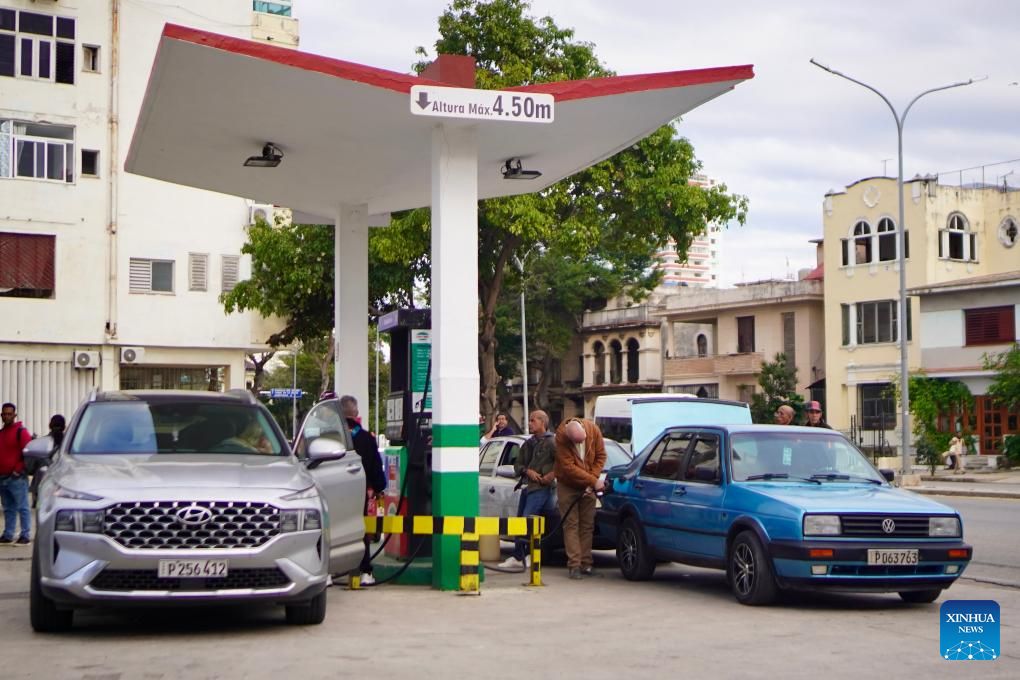
Currently, Cuba has shortened bank working hours, suspended cultural events, while fuel distribution companies have announced that they only sell gasoline in USD and limit it to a maximum of 20 liters per person.
Cuban officials said that US sanctions, strengthened during Mr. Trump's second term, have caused the country to lose more than $7.5 billion in the period from March 2024 to February 2025.


