
Previously, Mexico emerged as Cuba's largest oil supplier, after US President Donald Trump ordered the arrest of Venezuelan President Nicolas Maduro and blocked fuel flow from Venezuela - a long-time ally and key supplier of Havana for many years.
Venezuela's cut off of oil exports to Cuba has made Mexico a key partner in maintaining energy supplies for this island nation.
According to calculations, monthly crude oil trips from Mexico help Cuba produce enough gasoline to meet about 1 month of domestic demand.
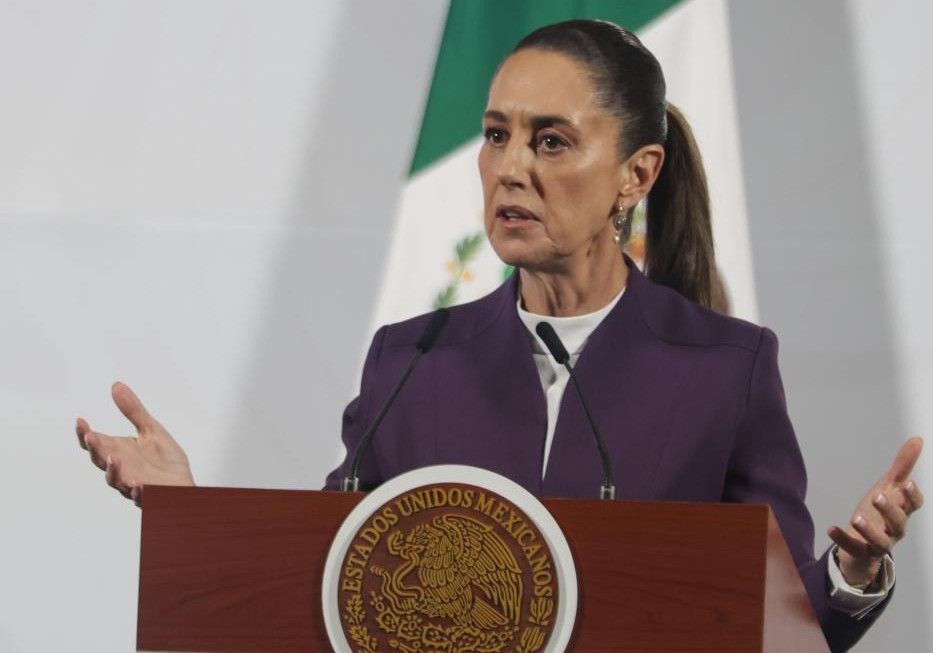
However, on February 9, Mexican President Claudia Sheinbaum confirmed that the shipments are currently "suspended", amid US threats to impose tariffs on goods from countries that sell or supply oil to Cuba.
Data from transportation reports and oil flow monitoring companies show that Cuba's oil imports in January fell to 0, for the first time since 2015.
The risk of supply disruption has actually appeared since December, when the US deployed naval blockades to chase ships of the "dark fleet", specializing in transporting sanctioned oil from areas such as Venezuela and Russia.
Pressure on energy supplies is heavily affecting Cuba's economy. In Havana, hours of queuing at gas stations are becoming increasingly serious.
This island nation is facing widespread shortages, from gasoline, cooking gas, to electricity and water, directly affecting people's lives and production activities.
Fuel shortages have spread to the aviation sector. Cuba informed airlines that they cannot supply aviation fuel on the island for the next month. In addition, at least 2 large-scale sea resorts are planned to close due to insufficient fuel to maintain operations.
Cuba has been subject to US sanctions since the 1960s, but in the past, oil from Mexico to Cuba has been classified as humanitarian aid, thereby still being allowed to circulate. According to data, nearly 80% of Cuba's oil import demand last year was met by Mexico and Venezuela.
Speaking on February 9, Mexican President Claudia Sheinbaum expressed her opposition to tightening oil supplies to Cuba, saying that this seriously affects the lives of civilians. She emphasized that Cuba does not have enough fuel for hospitals and schools, while people are suffering from increasing difficulties.
Previously, in December, US forces seized the Skipper ship, a crude oil tanker enough for Cuba to produce fuel to serve about 3 months of gasoline demand. According to transport data, the last oil tanker to dock at Cuba port took place at the end of December, just days before US forces landed in Venezuela.
It is currently very difficult to determine Cuba's remaining fuel reserves. In a statement in 2024, a government official said that Cuba's gasoline and oil demand, with a population of about 10 million people, is about 8,200 barrels per day, but the supply is only met very limitedly in the context of prolonged sanctions and blockades.


