CNN đưa tin, theo dữ liệu tiêm chủng từ Our World Data, hơn một năm sau ca nhiễm đầu tiên được báo cáo ở Trung Quốc, ít nhất 127 quốc gia và vùng lãnh thổ trên toàn thế giới đã tiêm chủng hơn 6 tỉ liều vaccine COVID-19.
Các quốc gia Châu Âu nằm trong số những nơi có tốc độ triển khai tiêm chủng nhanh nhất thế giới, hiện đã bao phủ được phần lớn dân số. Hơn 72% người trưởng thành của khối Liên minh Châu Âu (EU) được tiêm chủng đầy đủ. Cơ quan quản lý dược phẩm EU cũng đang cân nhắc đưa ra quyết định về liều tiêm bổ sung vaccine Pfizer vào tháng 10 tới.
Ireland
Với chiến dịch tiêm chủng vaccine COVID-19 thành công nhất ở Châu Âu, Thủ tướng Ireland đã tuyên bố sẽ gỡ bỏ hầu hết mọi biện pháp hạn chế COVID-19 kể từ tháng 10 tới, Reuters đưa tin.
Theo đó, từ 22.10, người dân Ireland sẽ không cần phải xuất trình chứng nhận tiêm chủng để được vào quán bar, nhà hàng. Các giới hạn số lượng người tham dự các sự kiện trong nhà và ngoài trời cũng sẽ được dỡ bỏ.
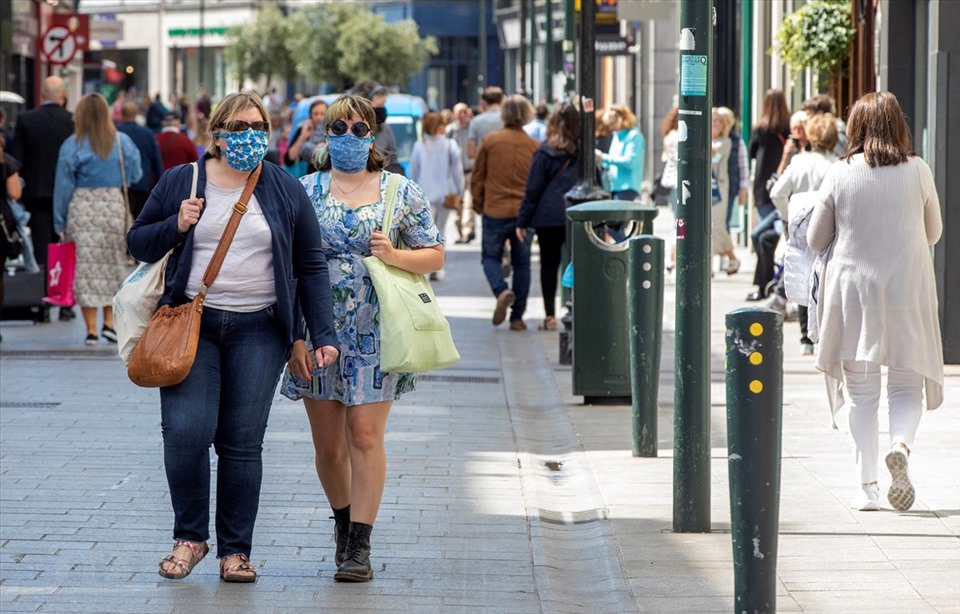
Nằm trong kế hoạch dỡ bỏ các biện pháp hạn chế theo từng giai đoạn, chính phủ Ireland đã khuyến khích nhà hàng và rạp chiếu phim mở cửa hoạt động với 60% công suất trong khi các lao động trong ngành không thiết yếu cũng được quay trở lại văn phòng làm việc kể từ 20.9.
Gần 90% người trưởng thành ở Ireland đã được tiêm 2 liều vaccine đầy đủ, trong khi tính trên đối tượng từ 12 tuổi trở lên, tỉ lệ này là 80%.
Ireland là một trong những quốc gia có đợt phong tỏa COVID-19 lâu nhất ở Châu Âu. Các hoạt động ăn uống trong nhà tại các quán cafe, quán bar và nhà hàng đã bị cấm trong suốt 16 tháng cho tới tháng 7.2021, khi chính phủ cho phép mở cửa phục vụ khách hàng có chứng nhận tiêm chủng vaccine COVID-19.
Tuy lạc quan về tình hình đại dịch trước mắt, Thủ tướng Ireland vẫn đưa ra một lưu ý thận trọng, cảnh báo nguy cơ gia tăng số ca nhiễm ở nước này. Ông cho rằng, rất khó để có thể loại bỏ hoàn toàn virus.
Tây Ban Nha
Tây Ban Nha là quốc gia có tỉ lệ tiêm chủng cao hàng đầu ở Châu Âu, đạt mức 77,7% trong tổng dân số 47 triệu dân, theo Our World Data.
Trước đó, theo tuyên bố của Thủ tướng Pedro Sanchez, 90% người trên 40 tuổi đã tiêm đủ hai liều vaccine, trong khi khoảng 70% thanh thiếu niên, độ tuổi 20-29 và 12-19, đã tiêm ít nhất một liều.
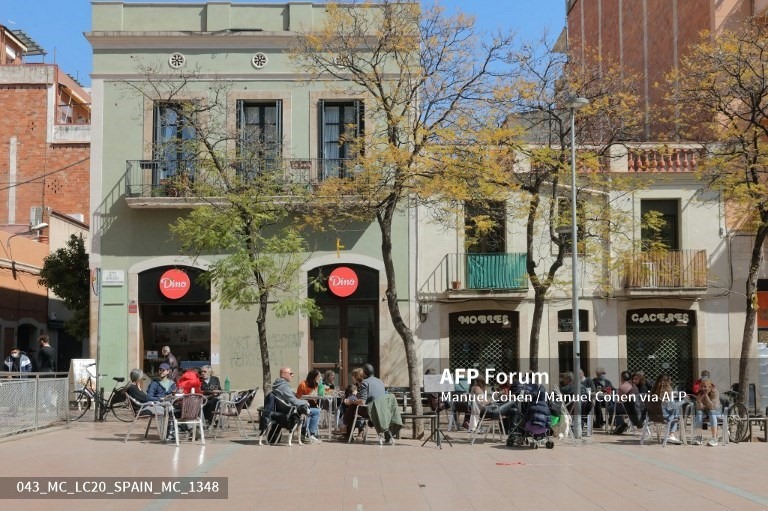
Tây Ban Nha đang chứng kiến nền kinh tế phục hồi với tốc độ nhanh đáng kinh ngạc trong quý 3 năm nay, mặc dù từng là một trong những quốc gia chịu ảnh hưởng nặng nề nhất của đợt đại dịch đầu tiên hồi năm 2020. Tổ chức Hợp tác và Phát triển Kinh tế (OECD) vừa qua cho biết đây sẽ là nền kinh tế phát triển nhanh thứ 4 của nhóm trong năm 2021, với tỉ lệ 6,8%. Chính phủ Tây Ban Nha đang nỗ lực để đưa hoạt động kinh tế trở quay trở về mức trước đại dịch vào cuối năm 2021.
Các chuyên gia nhận định, việc nới lỏng các hạn chế COVID-19 trong mùa hè, nhu cầu trong nước tăng lên cũng như sự phục hồi một phần của ngành du lịch, bao gồm sự trở lại của một lượng lớn khách du lịch nước ngoài, đã góp phần mang đến triển vọng tươi sáng hơn cho Tây Ban Nha.
Na Uy
Với khoảng 67% dân số Na Uy đã được tiêm phòng COVID-19 đầy đủ và 76% đã tiêm ít nhất 1 liều vaccine, Na Uy bắt đầu mở cửa trở lại từ ngày 25.9, chấm dứt tất cả các hạn chế COVID-19 từng làm giảm bớt tương tác xã hội và cản trở hoạt động của doanh nghiệp.
Phát biểu trong một cuộc họp báo, Thủ tướng Erna Solberg nói: "Đã 561 ngày kể từ khi chúng tôi đưa ra các biện pháp cứng rắn nhất ở Na Uy trong thời bình... Bây giờ đã đến lúc để trở lại cuộc sống thường ngày".
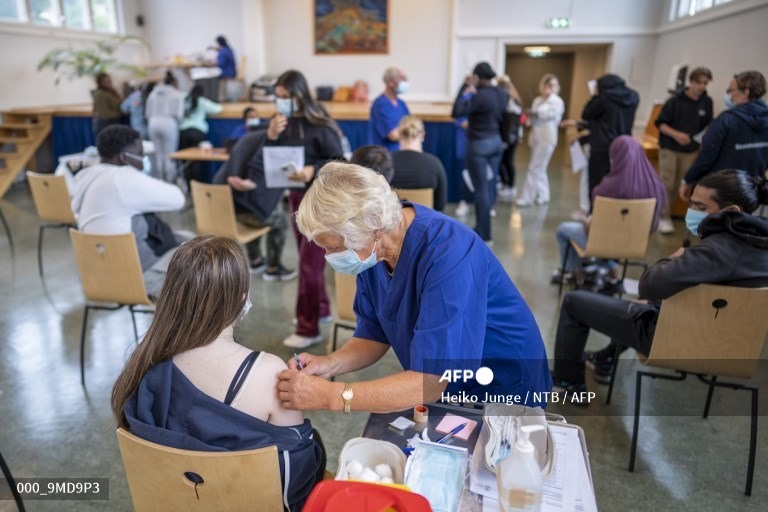
Thủ tướng Solberg tuyên bố, các hạn chế COVID-19 chính thức kết thúc kể từ 16h ngày 25.9 theo giờ địa phương. Đồng nghĩa với các địa điểm văn hóa và thể thao được hoạt động hết công suất, nhà hàng có thể phục vụ kín chỗ và câu lạc bộ đêm cũng mở cửa trở lại.
Trước đó, Na Uy đã thực hiện được 3 giai đoạn đầu tiên trong kế hoạch 4 bước nhằm xóa bỏ các hạn chế kinh tế và xã hội được áp đặt từ tháng 3.2020 để ngăn chặn lây lan đại dịch COVID-19. Tuy nhiên, giai đoạn cuối cùng đã bị trì hoãn nhiều lần do tình hình lây lan dịch bệnh.
Thủ tướng Solberg nói: “Tóm lại, bây giờ chúng tôi có thể sống cuộc sống bình thường''.