Đồng euro giảm xuống dưới mức tương đương với USD lần thứ hai chỉ trong hơn một tháng vào ngày 22.8 khi các nhà đầu tư lo ngại về suy thoái khu vực đồng tiền chung Châu Âu gia tăng.
Đồng euro có thời điểm trong ngày 22.8 đã giảm xuống mức thấp nhất là 0,9935 USD, trước khi tăng nhẹ. Đây là một trong những mức thấp nhất trong hai thập kỷ sau khi có lúc tăng lên khoảng 1,03 USD vào đầu tháng này. Đồng euro đã được giao dịch ở mức khoảng 1,15 USD vào tháng 2.
Bloomberg dẫn lời chiến lược gia ngoại hối Kit Juckes của Societe Generale SA cho biết: “Vào cuối mùa hè, đồng euro chịu áp lực trở lại, một phần do đồng USD tăng giá, một phần vì ‘thanh gươm của Damocles’ treo trên nền kinh tế Châu Âu sẽ không biến mất”. “Thanh gươm của Damocles” là một cách nói ẩn dụ thường được người phương Tây sử dụng để mô tả một mối nguy hiểm cận kề.
Đồng euro gần đây đã có xu hướng giảm ổn định do lo ngại về suy thoái trong khu vực đồng tiền chung Châu Âu gia tăng trong bối cảnh không chắc chắn về nguồn cung năng lượng của Nga. Vào tháng 7, lần đầu tiên đồng euro chạm mức ngang giá với đồng USD kể từ năm 2002.
Theo Morgan Stanley, đồng euro có thể trượt xuống 0,97 USD trong quý này, mức chưa từng thấy kể từ đầu những năm 2000. Trong khi đó, Nomura International dự báo euro sẽ giảm xuống 0,975 USD vào cuối tháng 9, sau đó có thể giảm tiếp xuống mức 0,95 USD hoặc thấp hơn, vì áp lực đối với nguồn cung năng lượng làm tăng nguy cơ mất điện và có thể sẽ đòi hỏi khu vực đồng tiền chung Châu Âu tăng nhập khẩu năng lượng.
Trong khi đó, Ngoại trưởng Ba Lan Zbigniew Rau cho hay, EU cần một cuộc cải tổ có thể cho phép các nước thành viên từ bỏ đồng euro và quay trở lại đồng tiền quốc gia của họ.
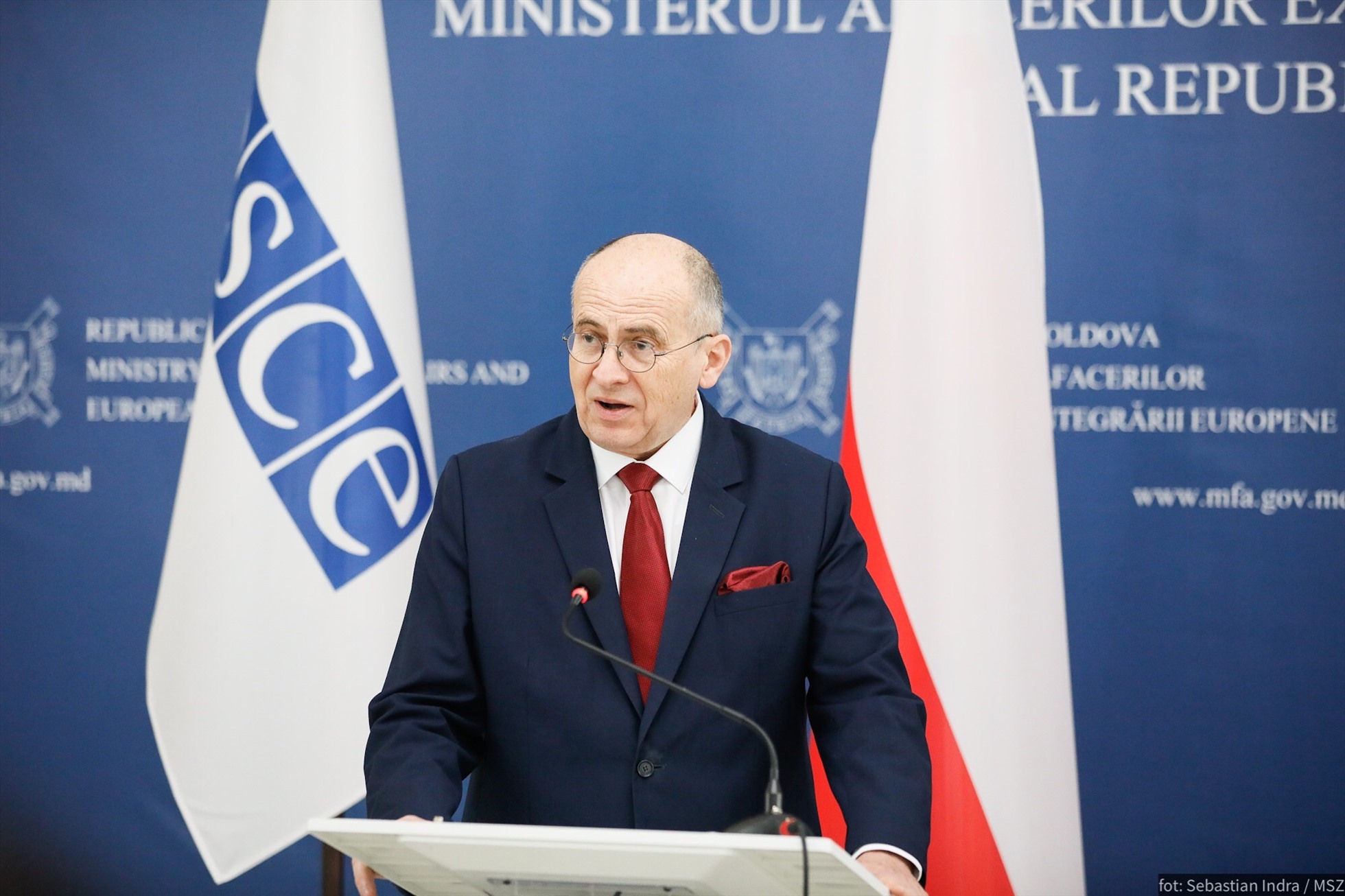
“Sự bình đẳng của các quốc gia thành viên đòi hỏi phải khôi phục các cơ hội bình đẳng cho sự phát triển của họ, do đó sẽ dẫn đến cải cách khu vực đồng tiền chung Châu Âu. Chủ nghĩa cấp tiến của cuộc cải cách này không thể loại trừ bất kỳ giải pháp nào, chẳng hạn như... cho phép một số nước thành viên khu vực đồng tiền chung Châu Âu tạm thời hoặc vĩnh viễn quay lại sử dụng đồng tiền quốc gia” - Ngoại trưởng Ba Lan Zbigniew Rau nói trong một cuộc phỏng vấn với tờ Rzeczpospolita hôm 22.8.
Người đứng đầu Đảng Công lý và Pháp luật cầm quyền của Ba Lan, Jaroslaw Kaczynski - từng giữ chức Thủ tướng Ba Lan từ tháng 7.2006 đến tháng 11.2007 - trước đây đã nói rằng việc chuyển đổi sang đồng euro sẽ dẫn đến sự bần cùng hóa triệt để của người dân Ba Lan.
Ba Lan gia nhập Liên minh Châu Âu EU vào năm 2004 nhưng không sử dụng đồng euro làm tiền tệ của mình. Mặc dù theo hiệp ước gia nhập, tất cả các quốc gia thành viên mới của EU phải gia nhập khu vực đồng tiền chung Châu Âu, song cũng có quyền hoãn việc áp dụng đồng tiền chung - như Ba Lan đã làm. Tuy nhiên, cuối cùng Ba Lan vẫn được cho là sẽ thay thế đồng zloty bằng đồng euro.
Chính phủ hiện tại của Ba Lan đã nhiều lần phản đối việc gia nhập khu vực đồng tiền chung Châu Âu trong tương lai gần, nhấn mạnh việc “Ba Lan duy trì độc lập và chủ quyền của mình”.