
Tờ Newsweek dẫn lời Ngoại trưởng Hungary Peter Szijjarto cho biết, theo thỏa thuận vừa ký kết hôm 29.5, Belarus sẽ hỗ trợ xây nhà máy hạt nhân thứ hai của Hungary - PAK 2.
Dự án PAK 2 trị giá 12,5 tỉ euro (13,5 tỉ USD) đang được tập đoàn hạt nhân Nga Rosatom xây dựng từ năm 2014. Rosatom đang xây dựng hai lò phản ứng hạt nhân có công suất 1,2 gigawatt mỗi lò tại PAKS 2 ở miền trung Hungary.
“Điều quan trọng nhất là thỏa thuận về hợp tác năng lượng hạt nhân cho phép chúng tôi sử dụng những kinh nghiệm của Belarus để xây dựng các lò phản ứng với công nghệ tương tự” - Reuters dẫn lời Ngoại trưởng Szijjarto nói tại Minsk sau cuộc gặp với Ngoại trưởng Belarus Sergei Aleinik.
Hãng thông tấn nhà nước BelTA của Belarus đưa tin, hai bên đã thảo luận về hợp tác năng lượng hạt nhân trong cuộc gặp.
Hai nước đã ký lộ trình hợp tác giữa các nhà máy điện hạt nhân, trong đó xác định những công việc chính sẽ được các nhà khoa học hạt nhân Belarus và Hungary thực hiện từ năm 2024 đến năm 2025, bao gồm đào tạo nhân sự, bảo trì theo lịch trình và quản lý chất thải phóng xạ.
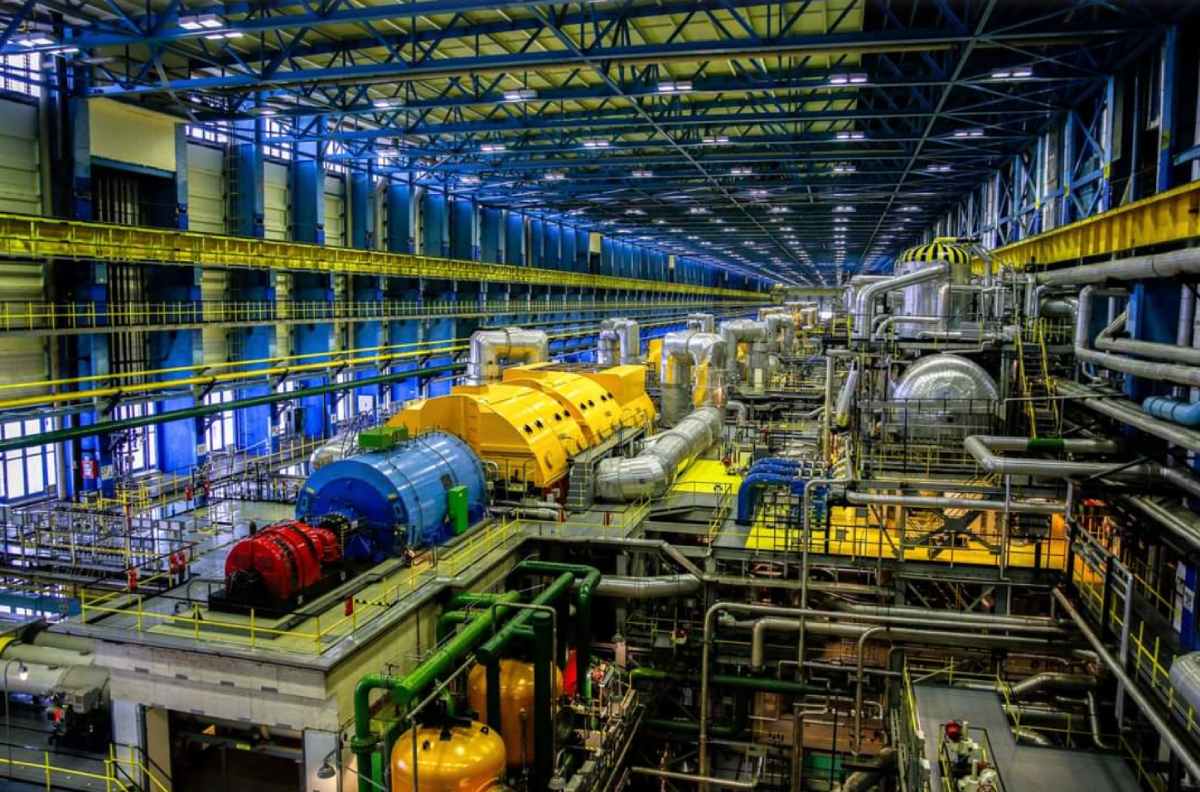
Vào tháng 10 năm ngoái, nhà máy điện hạt nhân là tâm điểm của rạn nứt giữa Tổng thống Nga Vladimir Putin và Tổng thống Belarus Alexander Lukashenko. Tổng thống Lukashenko yêu cầu Nga bồi thường cho các vấn đề phát sinh với nhà máy điện hạt nhân do Rosatom xây dựng và được Mátxcơva tài trợ với khoản vay 10 tỉ USD.
Ông cho biết việc xây dựng cơ sở hạt nhân gần thành phố Astravets ở khu vực phía Tây Grodno đã hoàn tất. Tuy nhiên, ông yêu cầu Nga bồi thường một khoản vì việc xây dựng nhà máy bị trì hoãn và ông cho rằng đó là lỗi của Nga.
Belarus, nước cộng hòa thuộc Liên Xô cũ, đã duy trì mối quan hệ bền chặt với Nga kể từ xung đột Ukraina. Quân đội Nga được phép tập trận trên lãnh thổ Belarus kể từ trước khi bắt đầu chiến sự Ukraina.
Trong khi đó, mặc dù Thủ tướng Hungary Viktor Orbán đã xây dựng mối quan hệ kinh tế và chính trị chặt chẽ với Mátxcơva và thường nói về mối quan hệ thân thiết với Tổng thống Putin, ông vẫn lên án quyết định của Nga tiến hành chiến dịch quân sự ở Ukraina và tuân thủ một số biện pháp trừng phạt của EU.
Tuy nhiên, quốc gia thành viên NATO này đã từ chối cung cấp vũ khí cho Ukraina trong cuộc chiến đang diễn ra.
Hồi tháng 1 năm 2023, Thủ tướng Hungary Orbán cho rằng các quốc gia phương Tây đã trở thành những người tham gia tích cực vào cuộc chiến bằng cách cung cấp vũ khí và tiền bạc cho Kiev. Theo ông, các nước phương Tây nên theo đuổi một lệnh ngừng bắn và đàm phán hòa bình.


