Việc áp dụng giá trần đối với dầu của Nga theo thỏa thuận của các nhà lãnh đạo G7 vào đầu tháng 9 có thể dẫn đến hai hệ quả, và cả hai đều không mang lại điều gì tốt lành cho các kiến trúc sư lập ra chính sách này vì trong đó có những thiếu sót đáng kể - ông Dan Eberhart, người đứng đầu Công ty dịch vụ dầu mỏ Canary viết trong bài báo đăng trên tạp chí Forbes.
Theo nhận định của ông Eberhart, các nước G7 cho rằng họ đã tìm ra "một phương thức thông minh" để giữ cho dầu Nga tiếp tục chảy vào các thị trường nhưng với giá được kiềm chế ở mức thấp hơn.
"Kế hoạch này hay về mặt lý thuyết, nhưng trên thực tế lại tiềm ẩn rất nhiều rủi ro. Điều này xảy ra do các chính trị gia không thể hiểu được cơ chế vận động của thị trường năng lượng" - tác giả nhấn mạnh.
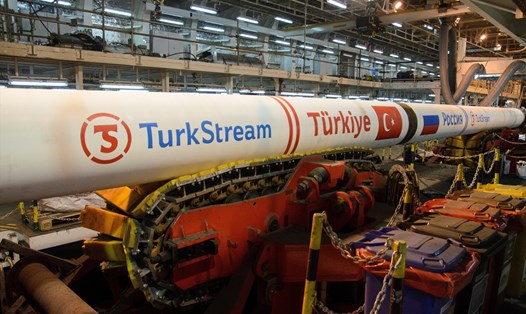
Giới hạn về giá sẽ ảnh hưởng đến những khách hàng lớn mua dầu của Nga như Trung Quốc, Ấn Độ và ở mức độ thấp hơn là Thổ Nhĩ Kỳ, trong khi các nước này không ký tham gia kế hoạch giới hạn giá. Như ông Eberhart viết, sau khi Nga tuyên bố sẽ không bán dầu của mình cho các quốc gia tham gia kế hoạch thì việc trông chờ sự ủng hộ của các nước kể trên "sẽ là không khôn ngoan".
Ngoài ra, Nga vẫn là thành viên thường trực của nhóm OPEC+, mà các thành viên chủ chốt của nhóm này đã chán sự can thiệp thường xuyên của phương Tây vào hoạt động của thị trường năng lượng. Đồng thời, OPEC+ đã nổ "phát súng cảnh cáo" về phía Washington, khi thông báo cắt giảm chút ít sản lượng khai thác trong tháng 10 và không loại trừ việc cắt giảm thêm.
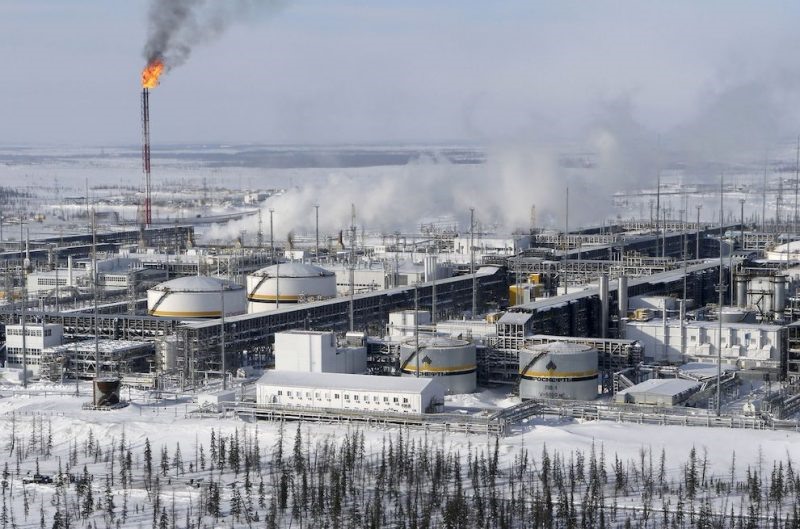
“Vì vậy, những hệ quả có khả năng xảy ra nhất của việc giới hạn giá là gì? Tính đến việc nó không có ý nghĩa thực tế và không thể đảm bảo sẽ được tuân thủ, thì những hạn chế đó chỉ trở thành một sự rủi ro nữa trong điều kiện thị trường không cho phép làm như vậy - bởi vì thực tế trên thế giới có rất ít năng lực khai thác bổ sung" - ông Eberhart cảnh báo.
Theo ông, kịch bản xấu nhất về diễn biến tình hình đối với phương Tây - đó là "đòn trả đũa toàn diện của Nga" đối với việc áp giá trần có thể khiến giá dầu thô thế giới tăng đến 150 USD/thùng.
"Không thể đánh giá quá cao tác động nguy hiểm của động thái thị trường như vậy - đặc biệt là khi chính quyền của Tổng thống Mỹ Joe Biden, cũng như các quan chức Châu Âu và Vương quốc Anh đang tỏ ra hoàn toàn kém am hiểu công việc trong cuộc khủng hoảng năng lượng hiện nay. Và việc áp giá trần cũng có thể là đòn chí mạng đối với chính họ" - tác giả tóm tắt.
Ngày 2.9, Bộ trưởng Tài chính các nước G7 (Anh, Đức, Italia, Canada, Mỹ, Pháp và Nhật Bản) đã xác nhận ý định áp đặt giá trần với dầu của Nga như một nội dung trong việc mở rộng lệnh trừng phạt. Theo kế hoạch, mức giá trần sẽ được đưa ra vào ngày 5.12 năm nay đối với dầu và vào ngày 5.2.2023 đối với các sản phẩm dầu.
Đại diện phía Nga phản ứng lại bằng cảnh báo rằng các quốc gia tham gia kế hoạch áp giá trần sẽ không được cung cấp dầu từ Nga.