
Dòng khí đốt ít ỏi cuối cùng đến EU có thể bị cắt nốt do tranh cãi giữa Nga và Ukraina về quá trình vận chuyển.
Bloomberg đưa tin, giá khí đốt Châu Âu tăng vọt tới 22%, cao nhất trong ba tuần, sau khi tập đoàn dầu khí Nga Gazprom cảnh báo trừng phạt đối tác Naftogaz của Ukraina. Điều đó có nghĩa là lượng khí đốt ít ỏi vẫn đang chảy từ Nga qua Ukraina đến tây bắc Châu Âu đang gặp nguy hiểm.
Tập đoàn dầu khí Naftogaz của Ukraina vào đầu tháng này cho biết đang kiện Gazprom ra tòa trọng tài Thụy Sĩ, vì cho rằng tập đoàn dầu khí Nga trả phí quá thấp cho việc vận chuyển khí đốt đến Châu Âu. Naftogaz yêu cầu Gazprom trả tiền theo các điều khoản "ship-or-pay" của hợp đồng. Theo điều khoản này, người mua đồng ý thanh toán cho năng lực vận chuyển theo hợp đồng bất kể khối lượng khí đốt vận chuyển thực tế là bao nhiêu.
Trong khi đó, Gazprom tuyên bố không thể thanh toán cho khối lượng mà Ukraina không vận chuyển sau khi Kiev đình chỉ hoạt động một trong hai trạm ở biên giới giữa nước.
Hiện tại, các đơn đặt hàng khí đốt qua Ukraina vào ngày 28.9 vẫn ổn định, theo nhà điều hành vận chuyển của Ukraina. Nhưng các thương nhân đang theo dõi sát sao bất kỳ diễn tiến nào vì đây là tuyến đường vẫn cung cấp khoảng một nửa lượng khí đốt còn lại của Nga đến EU, nửa khác đi qua Thổ Nhĩ Kỳ.
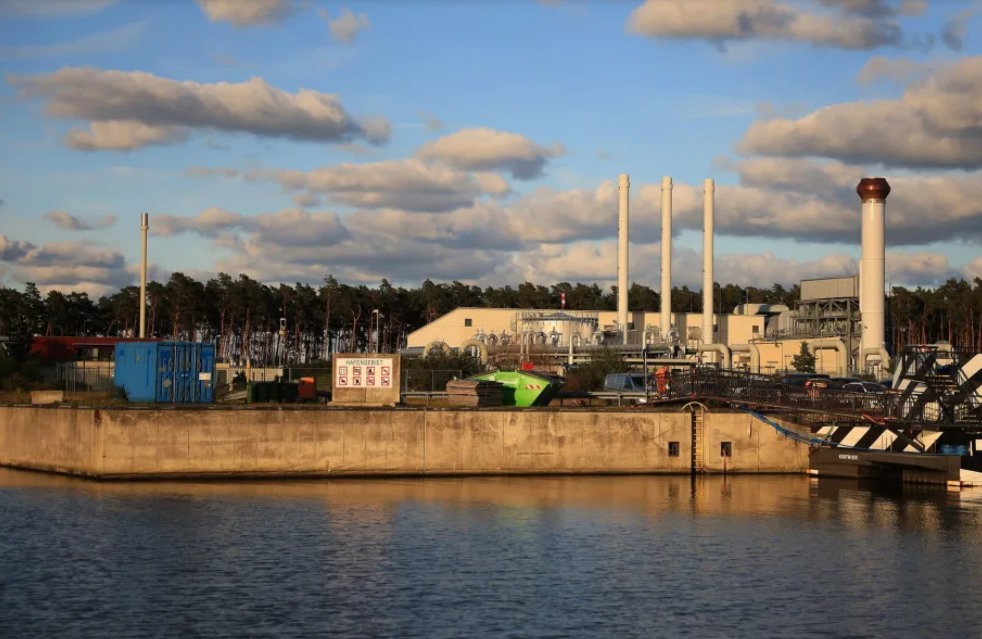
Tom Marzec-Manser, trưởng bộ phận phân tích khí tại ICIS ở London, cho biết, dường như những sự cố ở đường ống dẫn khí Nord Stream 1 và Nord Stream 2 chỉ là khúc dạo đầu cho diễn tiến mới nhất này. Nếu Nga cắt luôn khí đốt qua Ukraina, thì giờ đây EU thậm chí không thể tính đến chuyện quay đầu hoặc yêu cầu mở Nord Stream để giải quyết tình hình.
Thị trường khí đốt đã xôn xao bởi thông tin hai nhánh của đường ống Nord Stream 1 và một nhánh của Nord Stream 2 đã bị hỏng. Sự cố rò rỉ khí đốt ở Biển Baltic và hai vụ nổ mạnh gần đường ống dẫn khí đã được các nhà chức trách Thụy Điển và Đan Mạch xác nhận.
Nord Stream 1 đã ngừng hoạt động từ cuối tháng 8 đến nay, nhưng vụ việc càng làm thị trường khí đốt thêm căng thẳng. Đức nghi ngờ một hành động phá hoại. Công ty vận hành Nord Stream AG cho biết thiệt hại đối với đường ống là "chưa từng có" và không thể nói khi nào đường ống có thể tiếp tục hoạt động về mặt kỹ thuật.
Nord Stream 1 cung cấp gần 40% lượng khí đốt của Nga cho Châu Âu vào năm ngoái. Nhưng Gazprom đã cắt giảm công suất ở đường ống này từ tháng 6 vì các vấn đề kỹ thuật về tuabin, trước khi ngừng cung cấp hoàn toàn.
Nord Stream 2 - chạy gần Nord Stream 1 - đã hoàn tất xây dựng từ cuối năm 2021 nhưng chưa bao giờ cung cấp bất kỳ khí đốt nào cho Châu Âu do chưa được Đức cấp phép.


