
On December 17, Ukrainian Defense Minister Denys Shmyhal confirmed that the country had completed the signing of a strategic defense cooperation package with German partners. The total value of the newly approved contracts is up to about 1.3 billion USD.
On the Telegram platform, Mr. Shmyhal said that these agreements do not stop at the purchase and sale of conventional weapons but also mark a major step forward in defense industry production cooperation. He emphasized that the newly signed contracts will make an important contribution to strengthening the country's defense capabilities in the current period.
The most notable highlight in this cooperation portfolio is the plan to build 200 Bogdan self-propelled artillery systems. This is a NATO-standard 155mm artillery type researched and developed by Ukraine itself.
Germany's funding for Ukraine to produce its own weapons domestically is seen by observers as a strategic move to help Kiev reduce its dependence on external artillery supplies and boost its domestic defense industry.
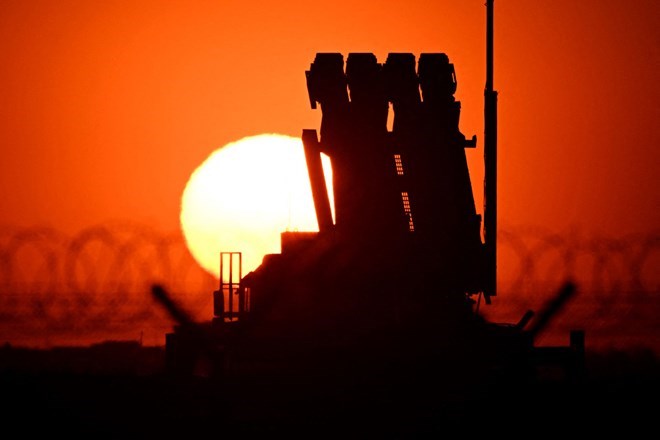
In addition to artillery firepower, the package also includes a commitment to long-term supply of essential replacement parts for the patriot anti-aircraft missile complex. Ensuring a supply of components for patriots helps maintain the operation of Ukrainian anti-continuous road attacks.
This budget is also allocated to purchase drones produced by Kiev as well as establish a cooperation line to produce modern reconnaissance and attack UAVs.
Other items in the $1.3 billion support package also include the provision of advanced warning radar stations and electronic warfare equipment to deal with increasingly complex challenges on high-tech battlefields.
Regarding the overall picture of aid, German Chancellor Friedrich Merz on December 15 released detailed statistics on the level of support in Berlin.
Accordingly, since the conflict broke out in February 2022, Germany has provided a total of about 43.2 billion USD for military purposes. In addition, the leading European country has spent about $39 billion on civil and humanitarian aid in Ukraine.
The German Chancellor also affirmed his long-term commitment to Kiev when announcing a plan to allocate an additional $11.9 billion in military support to Ukraine in the upcoming 2026 fiscal year.


