
On September 16 (local time), Fiji Health Minister Atonio Lalabalavu officially declared a national health emergency in the face of the fierce outbreak of the HIV epidemic in this Pacific island nation.
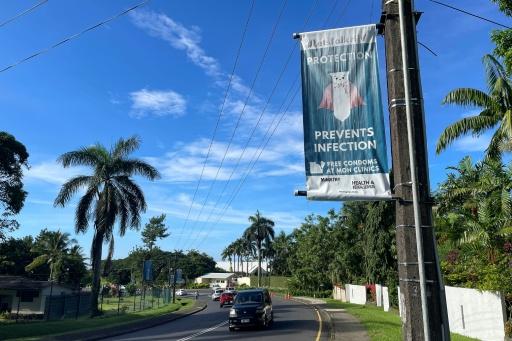
Statistics show that the number of new infections diagnosed in Fiji in 2025 has jumped to 2,016 cases, 16 times higher than in 2019. It is currently estimated that 1 in 60 adults in this country is infected with HIV, a sharp increase compared to the 1/167 rate of 5 years ago.
Alarmingly, 2 out of 100 pregnant women carry the virus; out of 59 newborns born infected with HIV in 2025, up to 18 children died before the age of 1 year.
According to the United Nations Coordination Program on HIV/AIDS (UNAIDS), in cases where infection methods are identified, more than 50% originate from unsafe sex and over 42% through drug injections.
This situation has increased since 2019 when very high-risk drug injection groups appeared in the prostitution community.
Pacific island nations such as Fiji are originally drug transit points from Latin America and Asia to Australia and New Zealand. Here, transnational criminal gangs often pay local sources with drugs themselves, causing addictive substances to flood the domestic market.
Faced with serious developments, the Fijian government has activated a comprehensive response, expanded free rapid testing, provided preventive medicines and treatment. At the same time, the government has also implemented harm reduction measures such as a program to distribute clean needle syringes to drug addicts with support from Australia, New Zealand, India and the United Nations.


