According to Izvestia newspaper, Russian budget revenue from oil and gas in April 2026 is forecast to exceed 10 billion USD, the highest level since mid-2024, as Russian oil prices skyrocketed in key Asian markets. The main driving force does not come from output, but from rising selling prices amid tight global supply.
According to the International Energy Agency (IEA), Russia's oil and oil products prices have increased significantly, leading to a clear improvement in export revenue. Although output only increased slightly, the market still recorded a high price-to-production trend, helping total revenue increase rapidly.
A noteworthy point is that budget revenue has a certain delay compared to price movements. Taxes from oil and gas are usually calculated based on the prices of the previous month, so the recent price increase is expected to be clearly reflected in the revenue in April.
After tax revenue from oil and gas reached about 6.5 billion USD in March, revenue in April is forecast to rebound sharply, exceeding the 10 billion USD mark.
The price increase is clearly shown through the Urals oil - Russia's key oil. The average price increased from 40.95 USD/barrel in January to 44.59 USD/barrel in February, before jumping to 77 USD/barrel in March.
However, in major consumer markets in India, the actual price is much higher. Shipped shipments to India can reach 125.7 USD/barrel, with a premium of 5-10 USD/barrel.
This shows that Russian oil not only maintains output but can also be sold at high prices, even sometimes exceeding international reference standards.
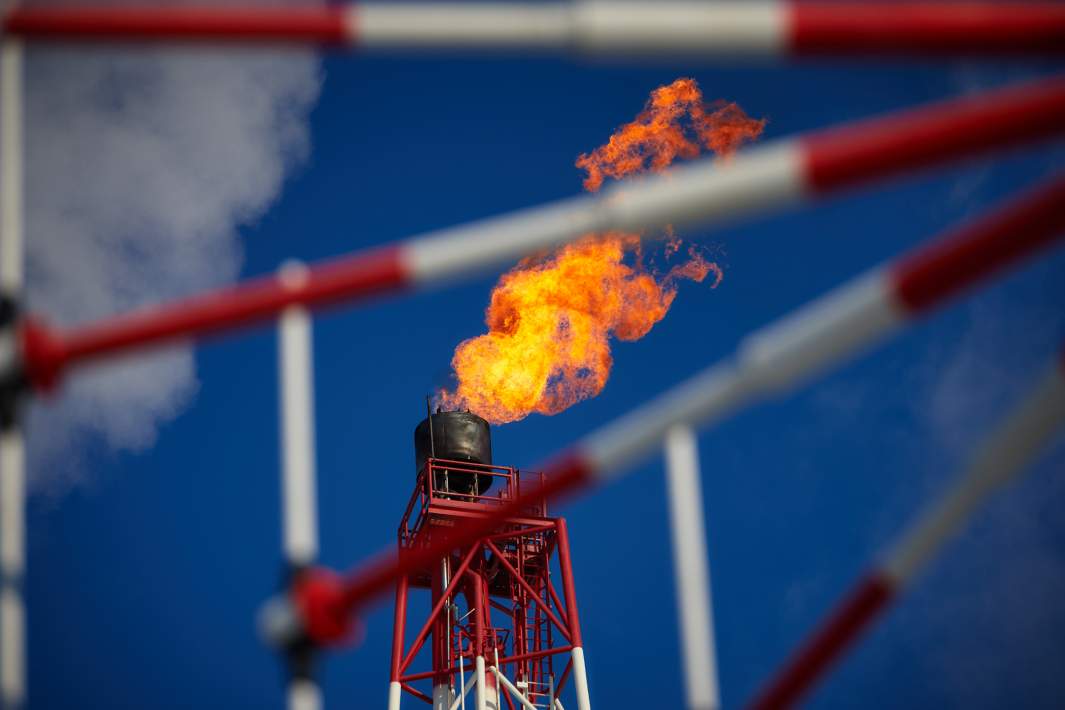
The price increase of Russian oil takes place in the context of the global energy market being affected by many factors. According to OPEC, OPEC+ countries cut production by about 7.59 million barrels/day in March.
At the same time, conflict in the Middle East has disrupted many energy facilities. International Energy Agency (IAEA) Director Fatih Birol said that about 40 energy assets in the region have been affected to varying degrees.
Reduced supply while increased demand has caused major customers in Asia to increase purchases of Russian oil, even competing for sources, thereby pushing prices up.
The outlook for oil prices in the near future still largely depends on geopolitical developments. Experts believe that if tensions cool down, oil prices may fall below $100/barrel, but it is difficult to fall below $90 because there are still "risk fees".
Conversely, if the conflict escalates, oil prices could quickly increase to 150 USD/barrel, even approaching 200 USD/barrel in the extreme scenario.
However, Russia's ability to increase production is limited by infrastructure. Some major ports are still operating below capacity, while key shipping routes are close to reaching maximum levels.
This creates a noteworthy paradox: Exports may decrease slightly, but total revenue still increases sharply thanks to high prices.
Analysts predict that the second quarter of 2026 will be a favorable period for the Russian budget. As long as oil prices remain above 80 USD/barrel, revenue may exceed the same period last year.