
When the Strait of Hormuz was blockaded by the US, all eyes turned to the White House to wait for an extension decision.
The US sanctions immunity order allowing the purchase and sale and transportation of Russian oil takes effect from March 12 to April 11, applying to crude oil and Russian oil products. The measure was issued in the context of global supply disruptions due to the Iran-related conflict, forcing Washington to temporarily ease to cool down oil prices.
However, as of April 14, the administration of President Donald Trump has not yet made an official announcement about whether to extend or not, although many sources say that the possibility of extending is very high to avoid shocking the market.
According to Reuters, President Donald Trump and US Treasury Secretary Scott Bessent are said to have agreed that the extension "is a reasonable idea", especially when oil prices are rising sharply after new developments in the Middle East.
Expired immunity immediately triggered diplomatic moves from many Asian countries - a region heavily dependent on energy imports. These countries have been looking for alternative sources since tensions in the Strait of Hormuz escalated.
Among them, India - one of the largest customers buying oil from Russia - and the Philippines are said to have actively lobbyed in Washington to maintain energy flow from Moscow.
The Philippine Ambassador to the United States - Mr. Jose Manuel Romualdez - described the negotiations as still "progressing", showing that there is no final decision yet.
However, large Indian oil refining corporations say they are likely to maintain their current import volume of Russian oil, despite legal ambiguity. A delegation from this country is also seeking to expand immunity to Russian LNG liquefied natural gas, while extending a similar mechanism with Iranian oil.
In another development, Indonesian President Prabowo Subianto arrived in Moscow to hold talks with President Vladimir Putin, focusing on energy security and the ability to buy fuel from Russia in the context of a global supply crisis.
Market pressure increased even more as oil prices jumped more than 30% compared to before the conflict, after US-Iran negotiations broke down and Washington announced the blockade of the Strait of Hormuz - a shipping route of about 20% of the world's oil supply.
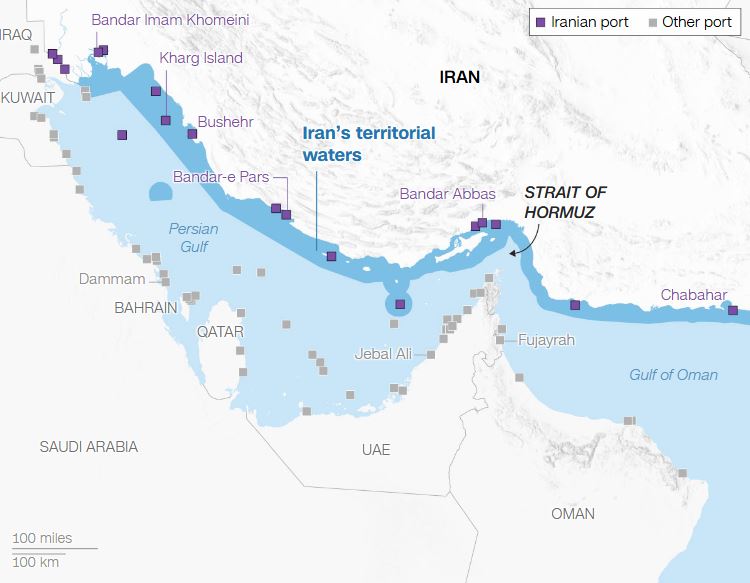
On the social network Truth Social, Mr. Trump announced that the US Navy has blocked all ships entering and leaving this area since April 13 - a move that could seriously disrupt global energy flows.
In that context, Russian Urals oil prices jumped to about 120 USD/barrel in early April, completely reversing compared to the period before the conflict broke out, when Russian oil had to be sold with deep discounts due to sanctions related to the war in Ukraine.
Whether the US extends immunity or not now becomes a key variable, not only for Russia but also for the entire world energy market. If this "door" closes, a new wave of volatility could erupt, leading to unpredictable consequences for the global economy.


