
Three super oil tankers moved across the Strait of Hormuz on April 11, marking the first time merchant ships have left the Persian Gulf since the US and Iran reached a temporary ceasefire agreement and are conducting peace talks in Pakistan.
According to sea transport data, three large ships including Serifos (flagged Liberia), Cospearl Lake and He Rong Hai (flagged China) passed through a special anchorage corridor to avoid the area near Iran's Larak Island. Each ship is capable of carrying up to 2 million barrels of oil - equivalent to a strategic transportation scale.
The departure of oil tankers from the Persian Gulf is seen as an important signal after many weeks of serious disruption. Since the end of February, when conflict broke out, Iran has blockaded the Strait of Hormuz - a transit route for about 20% of global oil and liquefied gas supplies - causing gasoline prices to fluctuate sharply.
Among the 3 ships, Serifos is carrying oil from Saudi Arabia and the UAE, expected to dock at Malacca port (Malaysia) on April 21. The remaining two ships are transporting oil from Iraq and Saudi Arabia, both chartered by Unipec - a trading company belonging to China's Sinopec energy group.
However, the ship traffic through the strait is still very low compared to normal. Analysts believe that it will take at least a few months for the global energy supply chain to return to a stable state.
In related developments, the US Central Command (CENTCOM) said that 2 destroyers have passed through the Strait of Hormuz to begin a minesweeping operation - the biggest threat to commercial ships today.
US intelligence said that at least a dozen naval mines have been placed in the area, including modern mines such as Maham 3 (with sensors) and Maham 7 (located at the seabed).
President Donald Trump declared that the US is "benefiting the whole world" by clearing mines in this area, while affirming that most of Iran's minesweepers have been destroyed. "We have minesweepers out there and are clearing the strait," he said.
However, the reaction from Tehran is still very tough. The Iranian Islamic Revolutionary Guards warned that they would "sternly respond" to any military ship passing through the Strait of Hormuz, while emphasizing that control of this area belongs to Iran. According to the statement, only civilian ships can be allowed to pass and must meet specific conditions.
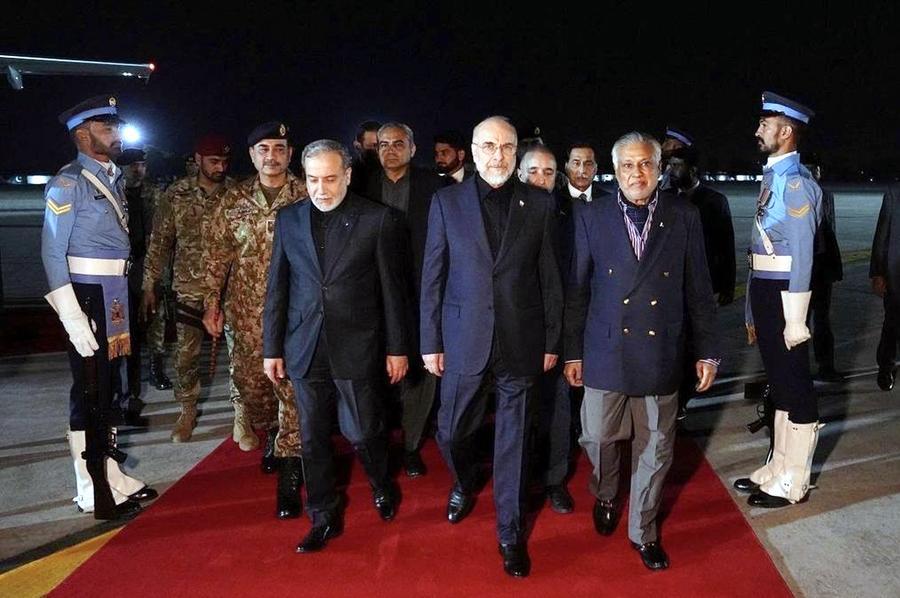
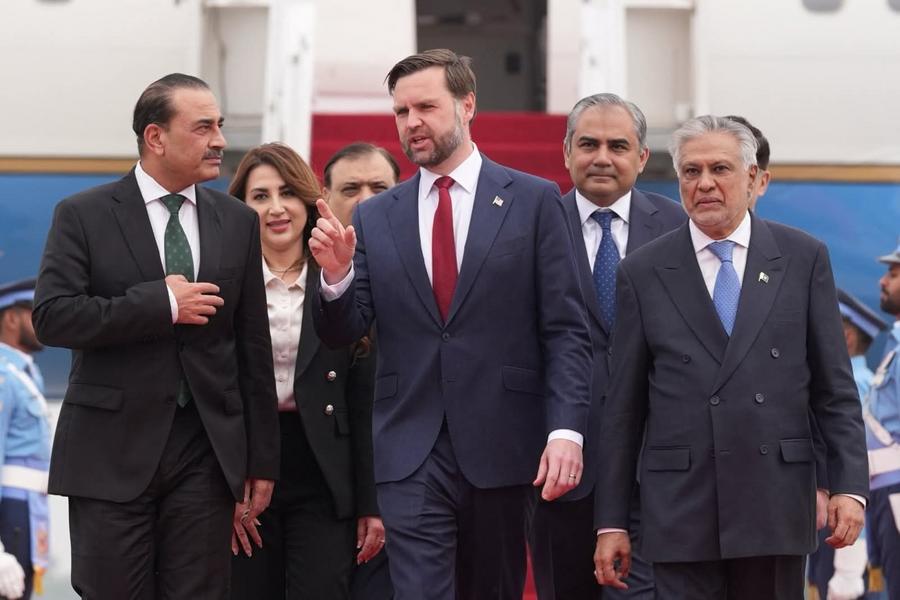
The above developments coincided with direct negotiations between the US and Iran in Islamabad - a rare round of direct contact since the 1979 Islamic Revolution. Vice President JD Vance led the US delegation in trilateral negotiations with Iran and Pakistan.
Although the two-week ceasefire has helped partially restore maritime operations, experts warn that oil supply disruptions could last. Many oil refineries and energy infrastructure have been damaged in the conflict, requiring time for repair.
Shipping companies are also cautious, expecting it to take at least 2 months to fully restore operations in the area.


