
Kuwait State Petroleum Corporation (KPC) sent a force majeure notice to customers on April 17, according to information revealed on April 20 (local time).
Previously, in early March, KPC also declared force majeure for oil and oil refining product sales.
The declaration of force majeure is a legal clause that allows enterprises not to perform contract obligations due to factors beyond control.
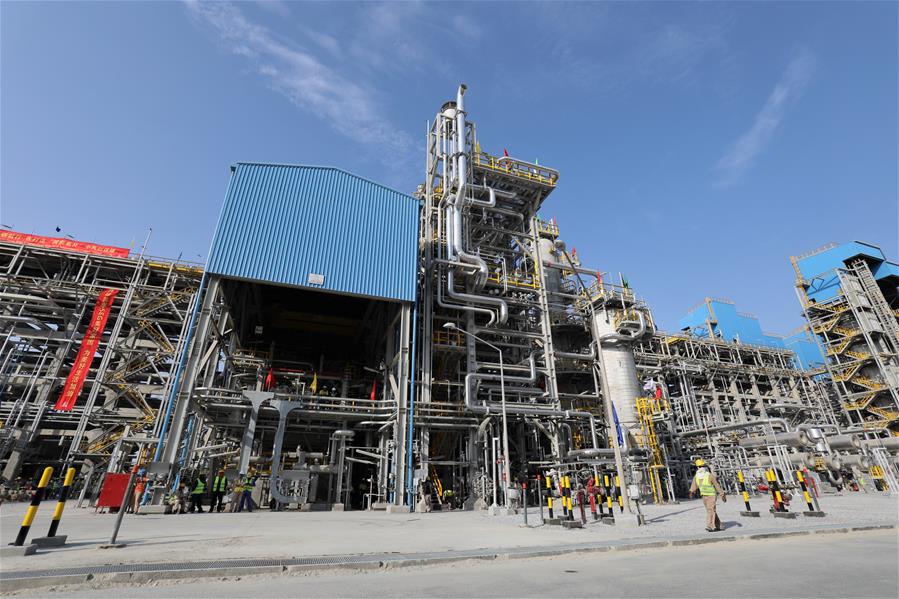
Kuwait's oil and gas infrastructure has suffered heavy losses, causing production to fall to a low level equivalent to the early 1990s, after the Iraq war.
According to a well-informed source, even if the conflict cools down, the complete restoration of operations in Kuwait will also take time.
The Iranian conflict has almost paralyzed transportation through the Strait of Hormuz, rapidly filling oil storage in the region and disrupting the global oil market.
The fact that this strategic sea route is almost closed is a bad scenario for the Persian Gulf countries, which are heavily dependent on energy export revenue for public spending.
On April 20, US President Donald Trump said it was unlikely to extend the 2-week ceasefire with Iran, increasing pressure on the negotiating parties to reach an early agreement to end the conflict.
The ceasefire announced on April 7 will expire on "Wednesday evening (April 22) Washington time," Mr. Trump said, adding that this could create more time for negotiations. However, the Strait of Hormuz will continue to be blockaded at the present time.
Countries in the region have been forced to cut production of oil, gas and refined products due to the closure of the Strait of Hormuz and attacks from Iran. Earlier this month, the US government estimated that more than 9 million barrels of oil per day would be discontinued in April.
Kuwaiti officials said the country could restore production to pre-conflict levels within a few months after the conflict ends.


