
Ngày 7.6, Tổng giám đốc Cơ quan Năng lượng Nguyên tử Quốc tế (IAEA) Rafael Grossi cho biết, điều “rất quan trọng” đối với nhà máy điện hạt nhân Zaporizhzhia (ZNPP) là tiếp tục đảm bảo đủ nước để ngăn chặn sự cố tan chảy lò phản ứng.
Nhà máy điện hạt nhân lớn nhất châu Âu dựa vào hồ chứa nước Kakhovka để làm mát 6 lò phản ứng. Tuy nhiên, mực nước đã giảm 2,8 m kể từ khi đập Kakhovka bị vỡ vào đầu ngày 6.6. Ông Grossi cảnh báo, một khi mực nước dưới 12,7 m, nhà máy sẽ không thể bơm nước từ hồ chứa.
Giám đốc IAEA cho biết: “Vì vẫn chưa rõ mức độ thiệt hại đầy đủ của vụ vỡ đập nên không thể dự đoán liệu điều này có thể xảy ra hay không. Nhưng với mức độ hiện tại là nước giảm 5-7 cm/giờ thì điều đó khó có thể tránh khỏi trong vòng 2 ngày tới”.
Ông Grossi dẫn báo cáo từ các chuyên gia IAEA đang có mặt tại hiện trường cho biết, nhà máy cần tích trữ nước trong khi vẫn có thể. Ông dự định đến thăm nhà máy vào tuần tới và đưa thêm các quan sát viên để tăng cường sự hiện diện của IAEA tại cơ sở này.
“Hơn bao giờ hết, sự hiện diện được củng cố của IAEA tại nhà máy điện hạt nhân Zaporizhzhia có tầm quan trọng sống còn để giúp ngăn chặn nguy cơ xảy ra tai nạn hạt nhân và những hậu quả tiềm ẩn của nó đối với con người và môi trường vào thời điểm hoạt động quân sự gia tăng trong khu vực” - ông Grossi nói.
Zaporizhzhia là nhà máy điện hạt nhân lớn nhất châu Âu, với 6 lò phản ứng có khả năng tạo ra một gigawatt điện mỗi lò.
Quân đội Nga đã kiểm soát nhà máy từ tháng 3 năm ngoái. Khu vực mà nhà máy tọa lạc đã bỏ phiếu sáp nhập Nga vào tháng 9.2022.
Nga cáo buộc Ukraina phá hủy đập Kakhovka và gây ra lũ lụt trên diện rộng ở Kherson. Tổng thống Vladimir Putin gọi đây là hành động tương đương với khủng bố.
Người phát ngôn Bộ Ngoại giao Nga Maria Zakharova cho biết Mátxcơva sẽ trả đũa bất kì nỗ lực nào của Kiev nhằm gây nguy hiểm cho cơ sở hạ tầng quan trọng của nhà máy điện hạt nhân Zaporizhzhia hoặc thành phố Energodar.
“Nga sẽ đáp trả cực kì gay gắt trước bất kì cuộc tấn công nào của Ukraina vào ZNPP, các cơ sở hạ tầng quan trọng - bao gồm cả đường điện của nhà máy - và tất nhiên, Energodar, nơi các nhân viên của cơ sở này và gia đình họ sinh sống” - RT dẫn lời bà Zakharova phát biểu trong cuộc họp báo thường kì ngày 7.6.
Bà Zakharova lưu ý, việc phá hủy đập Kakhovka đã đe dọa làm gián đoạn nguồn cung cấp nước cho hệ thống làm mát lò phản ứng của ZNPP, có khả năng gây ra một cuộc khủng hoảng. Các Đại sứ Trung Quốc và Nga tại Liên Hợp Quốc đã cảnh báo Hội đồng Bảo an về khả năng này.
"Chúng tôi cũng không loại trừ nỗ lực khiêu khích vào nhà máy điện hạt nhân Zaporizhzhia” - Đại sứ Nga tại Liên Hợp Quốc, ông Vassily Nebenzia, phát biểu tại Hội đồng Bảo an, lưu ý rằng Liên Hợp Quốc không lên án các cuộc tấn công của Ukraina vào cơ sở này.
Tổng thống Ukraina Volodymyr Zelensky cũng chỉ trích Liên Hợp Quốc và Hội Chữ thập đỏ vì "không hành động" trong bối cảnh lũ lụt do vỡ đập Kakhovka. Ông cũng nhấn mạnh, Ukraina không thể đạt được bất cứ điều gì về mặt quân sự từ hành động được cho là phá hoại mà Kiev và Mátxcơva đang đổ lỗi cho nhau.
Ông Zelensky cho biết, nhà máy hạt nhân hiện do phía Nga kiểm soát, do đó Kiev không thể chứng minh các cáo buộc chống lại Mátxcơva bằng bằng chứng cụ thể.
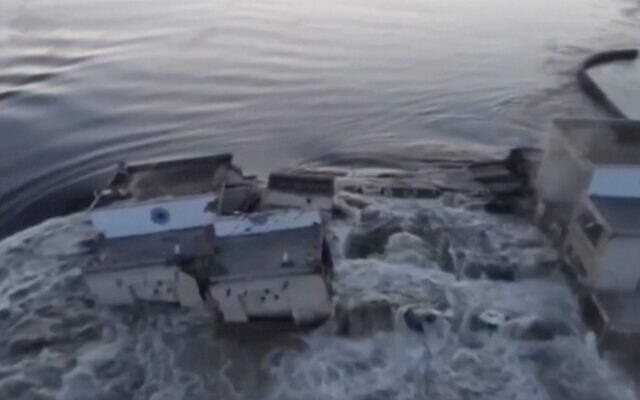
Đập Kakhovka ở Kherson bị vỡ một phần vào sáng 6.6, gây lũ lụt ở nhiều thị trấn và làng mạc dọc theo sông Dnepr. Nga và Ukraina cáo buộc nhau tấn công con đập này.


