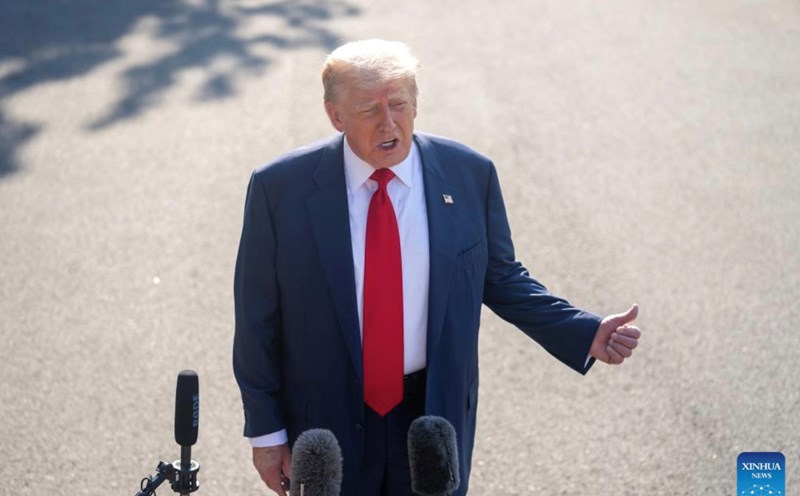
On the evening of February 26 (local time), the US Federal Aviation Administration (FAA) announced a ban on most aircraft operating in the airspace near Fort Hancock, Texas, for "special security" reasons according to the Notice to Pilots (NOTAM).
The order takes effect from 6:30 pm and is expected to last until June 24. However, emergency flights such as air ambulances or search and rescue may be considered for separate licensing.
The incident attracted attention when a high-energy laser system operated by the US Department of War was said to have accidentally shot down a drone (unmanned aerial vehicle) of the US Customs and Border Protection Agency (CBP).
The high-energy laser system was originally designed to deal with threats from unmanned aerial vehicles but targeted the wrong "home team" target. The type of drone shot down and the exact time of the incident have not yet been announced.
Neither the Pentagon nor the FAA have officially commented on the incident. However, Democratic senators overseeing aviation and domestic security have strongly criticized it, saying it is a manifestation of "lack of capacity and poor coordination" between military and civilian agencies.
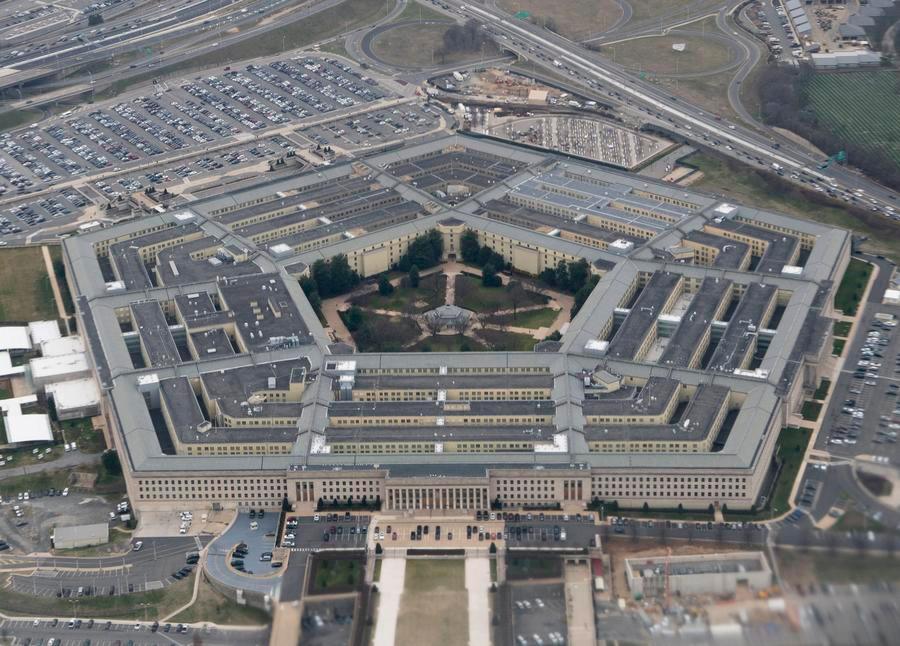
In a joint statement, Congressmen Rick Larsen, Bennie Thompson and Andre Carson said they were "shocked" by the information that the Department of War allegedly used a high-risk drone countermeasures system to shoot down CBP equipment.
The latest incident took place not long after a similar controversy in El Paso city earlier this month. At that time, the FAA had temporarily suspended airport operations due to concerns related to testing the same laser system with objects that were later identified as balloons.
The restriction order at that time was lifted within hours after the Pentagon was said to have agreed to postpone the test to wait for a federal safety assessment.
The incident occurred in the context of tightened security along the southern US border. The federal government has expanded surveillance and implemented drone countermeasures to respond to the increasing activity of Mexican drug gangs.
Violence escalated in Mexico after drug lord El Mencho (Oseguera Cervantes) was killed in a US-Mexico joint military operation in Jalisco state last week.
Clashes then spread to many states, raising concerns about regional security stability, and even affecting preparations for the FIFA World Cup 2026 which will take place next summer.
This "wrong firing of our troops" incident therefore not only raises questions about the coordination capacity between US agencies, but also raises concerns about the level of safety in high-tech weapon testing activities right in the most sensitive area of this country.