
The move took place as pressure from the US increased, causing oil supply to tighten.
On February 24, two logistics ships Papaloapan and Huasteco left the port of Veracruz, carrying a total of 1,193 tons of goods, including beans, milk powder and many other essential items. According to El Universal newspaper, this is the latest aid in the humanitarian aid chain that Mexico is implementing for Cuba.
Among the goods this time are 23 tons of items donated by civil society organizations with logistical support from the Mexican City government. The goods are gathered at a collection point in the Capital's Historical Center and are considered the first shipment from this initiative.
The transportation journey is expected to last about 4 days, with the participation of more than 350 naval personnel and specialized loading and unloading equipment such as crane and lifting trucks.
The new ship dispatch took place after the government of Mexican President Claudia Sheinbaum previously sent 814 tons of aid to Cuba. The total amount of aid in the past time shows that Mexico maintains its commitment to humanitarian assistance to the neighboring island nation.
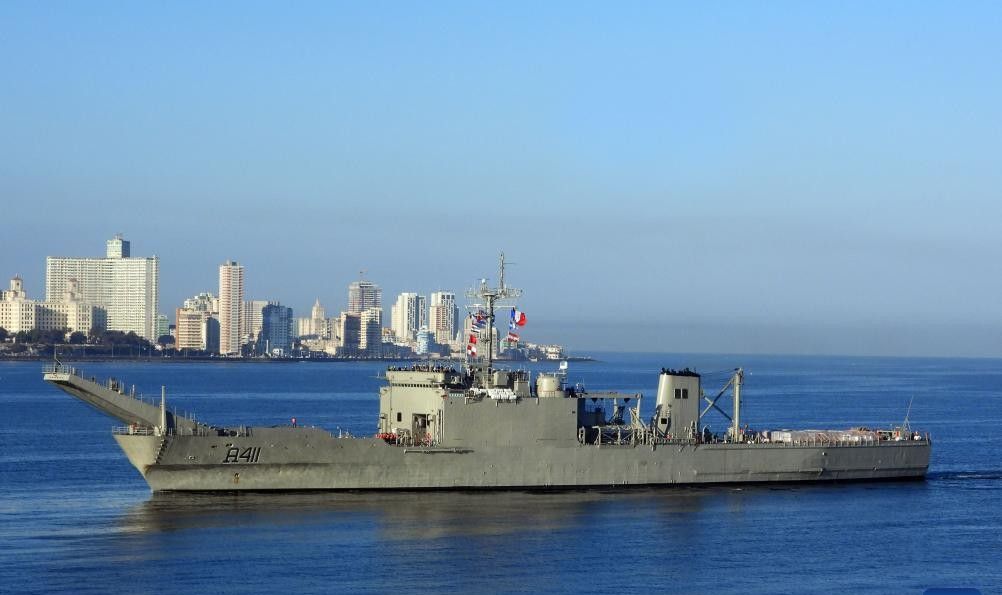
Cuba is going through one of the most difficult economic periods in decades. In recent weeks, the US has increased pressure by tightening measures to block oil supplies to Havana, including blocking shipments from Venezuela.
This move caused food prices and transportation costs to escalate, causing serious fuel shortages and leading to prolonged power outages nationwide.
Mexico was once one of Cuba's major fuel suppliers, but temporarily suspended oil shipments in early February after Washington warned of tariffs on oil exporting countries to Havana.
In that context, "Made in Mexico" shipments have become an important source of support for many Cuban families. In Havana, bags of necessities including rice, beans, milk powder, cooking oil and canned food have been distributed through the state store system, which distributes goods according to voucher books.
The Cuban government said aid will prioritize vulnerable families, especially those with malnourished children or elderly people in Havana and the Mayabeque and Artemisa provinces.
Images of goods arriving at the port and being transferred to distribution stores have been widely broadcast on state television.
Since 2020, Cuba's economy has been continuously under pressure from increased sanctions and a decline in energy supplies from outside. Because it only produces about 40% of its fuel needs, the country is heavily dependent on oil imports, making the economy vulnerable to geopolitical fluctuations.
Mexico's continued dispatch of aid ships shows efforts to maintain the humanitarian support channel between the two countries, while the energy crisis in Cuba has not shown signs of cooling down.


