
Tuyên bố của Ngoại trưởng Mỹ
Ngày 26.8, Ngoại trưởng Mỹ Mike Pompeo ra tuyên bố về việc Mỹ áp đặt hạn chế đối với một số doanh nghiệp nhà nước Trung Quốc và lãnh đạo doanh nghiệp liên quan đến hoạt động sai trái tại Biển Đông.
“Mỹ ủng hộ một Biển Đông tự do và rộng mở. Chúng tôi tôn trọng quyền chủ quyền của tất cả các quốc gia bất kể quy mô, và mong muốn duy trì hòa bình và bảo vệ tự do trên biển theo cách phù hợp với luật pháp quốc tế. Hồi tháng 7, tôi đã công bố một chính sách cập nhật liên quan đến các yêu sách hàng hải bất hợp pháp của Bắc Kinh ở Biển Đông và nhấn mạnh rằng Mỹ sẵn sàng có hành động kiên quyết để phản đối chiến dịch bắt nạt của Bắc Kinh” - Ngoại trưởng Mike Pompeo tuyên bố.
Ông Pompeo thông báo: Hôm nay, Bộ Ngoại giao Mỹ sẽ bắt đầu áp đặt các hạn chế thị thực đối với các cá nhân của Trung Quốc chịu trách nhiệm hoặc đồng lõa với việc bồi đắp, xây dựng quy mô lớn, hoặc quân sự hóa các thực thể ở Biển Đông, hoặc tham gia vào việc Trung Quốc dùng biện pháp cưỡng ép đối với các nước Đông Nam Á để ngăn cản các nước này tiếp cận các nguồn tài nguyên ngoài khơi.
Những cá nhân này từ nay sẽ không được phép nhập cảnh vào Mỹ và các thành viên trực tiếp trong gia đình họ cũng có thể phải chịu các hạn chế về thị thực này.
Ngoài ra, Bộ Thương mại Mỹ đã đưa thêm 24 doanh nghiệp nhà nước của Trung Quốc vào Danh sách Thực thể, bao gồm một số công ty thành viên của Công ty Xây dựng Truyền thông Trung Quốc (CCCC).
Kể từ năm 2013, Trung Quốc đã sử dụng các doanh nghiệp nhà nước để nạo vét và bồi đắp hơn 3.000 mẫu (hơn 12 km2) các cấu trúc ở Biển Đông, gây bất ổn trong khu vực, gây tổn hại quyền chủ quyền của các láng giềng, và hủy hoại môi trường một cách nặng nề.
CCCC có vai trò dẫn đầu trong các hoạt động nạo vét mang tính hủy hoại của Trung Quốc tại Biển Đông và cũng là một trong các nhà thầu hàng đầu được Bắc Kinh sử dụng trong chiến lược toàn cầu “Vành đai và Con đường”.
CCCC và các doanh nghiệp thành viên đã tham gia vào các hành vi tham nhũng, cho vay đầy dã tâm, hủy hoại môi trường và các hành vi lạm dụng khác trên khắp thế giới - tuyên bố của ông Pompeo viết.
“Trung Quốc không thể được phép sử dụng CCCC và các doanh nghiệp nhà nước khác như những vũ khí để áp đặt kế hoạch bành trướng. Mỹ sẽ hành động cho đến khi chúng tôi thấy Bắc Kinh chấm dứt hành vi cưỡng ép của họ tại Biển Đông, và chúng tôi sẽ tiếp tục sát cánh cùng các đồng minh và đối tác trong việc chống lại hành động gây bất ổn này” - Ngoại trưởng Mỹ Mike Pompeo nhấn mạnh.
CCCC và các dự án gây tranh cãi
Các hình ảnh vệ tinh do công ty tư vấn quốc phòng IHS Jane's phân tích vào năm 2016 cho thấy một công ty con của CCCC đã vận hành hầu hết các sà lan khổng lồ đào cát từ đáy biển và chất đống trên các đá ở Biển Đông, bao gồm đá Vành Khăn, đá Subi và đá Chữ Thập.
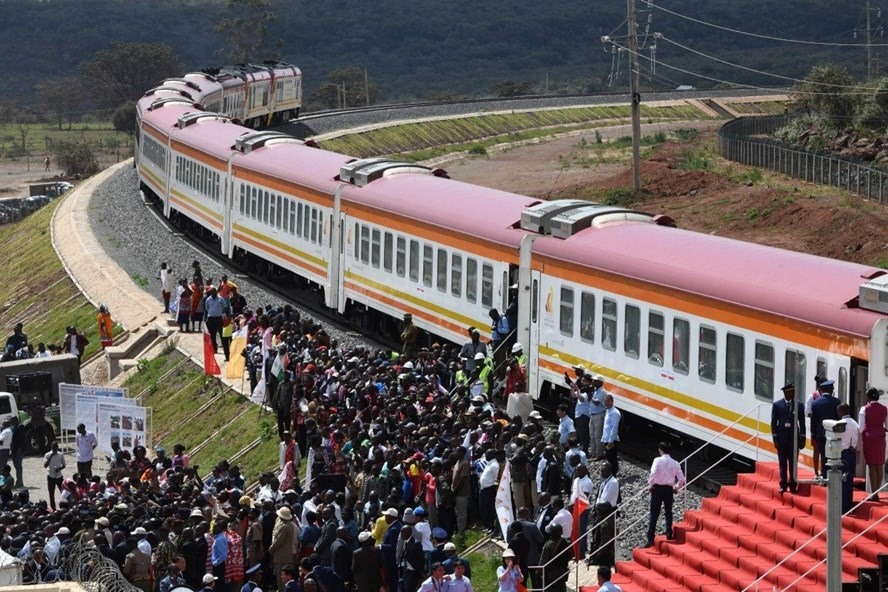
Mới đây, tòa án phúc thẩm Kenya ra phán quyết rằng, Tập đoàn Đường sắt Kenya thuộc sở hữu nhà nước đã không tuân thủ và vi phạm luật pháp quốc gia “trong quá trình mua sắm của dự án đường sắt tiêu chuẩn SGR”, và hợp đồng xây dựng đường sắt giữa Tập đoàn Đường sắt Kenya và Tập đoàn Cầu đường Trung Quốc bị toà phúc thẩm Kenya phán quyết là phi pháp.
SGR đạt doanh thu 136 triệu USD vào năm 2019, và Quốc hội Kenya đã tiết lộ vào tháng 6 rằng Tập đoàn Đường sắt Kenya chưa trả 380 triệu USD phí quản lý.
Quan chức Bộ Ngoại giao Mỹ đã trích dẫn một danh sách các dự án của CCCC trong sáng kiến “Vành đai và Con đường” hiện đang sa lầy vào tranh cãi, bao gồm cảng Hambantota ở Sri Lanka, nơi chính phủ Sri Lanka đã trao cho Tổng công ty Xây dựng cảng Trung Quốc của CCCC 85% cổ phần với giá 1,1 tỉ USD. Quốc gia Nam Á này đã phải vật lộn để trả khoản nợ lên tới 8 tỉ USD cho Trung Quốc.
CCCC cũng là một trong những công ty tham gia vào nỗ lực do Bắc Kinh dẫn đầu nhằm xây dựng các sân bay ở Greenland mà Nhà Trắng đã ngăn cản vào năm 2018 vì lo ngại nó có thể tạo cho quân đội Trung Quốc một chỗ đứng vững chắc ở Bắc Cực.
Theo tờ Wall Street Journal, CCCC cũng có lợi ích kinh doanh ở Mỹ. Công ty đã đầu tư vào một dự án bất động sản thương mại, bán lẻ và nhà ở trị giá khoảng 1 tỉ USD ở Los Angeles được gọi là The Grand. Một công ty con của CCCC, Shanghai Zhenhua Heavy Industries Co., còn được gọi là ZPMC, là một trong những nhà sản xuất máy móc cảng lớn nhất thế giới và đã cung cấp cần cẩu và các dịch vụ liên quan cho các cảng của Mỹ.
Các thực thể khác của Trung Quốc mà Bộ Thương mại nhắm tới bao gồm các công ty phát triển và sản xuất thiết bị định vị và viễn thông. Trong số đó có các viện nghiên cứu được điều hành bởi hai nhà thầu quốc phòng lớn thuộc sở hữu nhà nước, Tập đoàn Công nghệ Điện tử Trung Quốc và Tập đoàn Đóng tàu Nhà nước Trung Quốc.


