
Nằm trong tàu Perseverance của NASA, thí nghiệm sử dụng tài nguyên Oxy trong các tình huống trên sao Hoả (MOXIE) của NASA đã liên tục phá vỡ các phân tử trong không khí trên hành tinh đỏ để tạo ra nguồn cung cấp oxy nhỏ nhưng ổn định. Giờ đây, MOXIE sắp nghỉ hưu sau khi hoàn thành tốt công việc, theo Science Alert.
Phó quản trị viên NASA Pam Melroy cho biết: “Hiệu suất ấn tượng của MOXIE cho thấy việc tách oxy từ bầu khí quyển của sao Hỏa là khả thi. Oxy có thể giúp cung cấp không khí để thở hoặc tạo ra nhiên liệu đẩy tên lửa cho các phi hành gia trong tương lai”.
“Việc phát triển các công nghệ cho phép chúng tôi sử dụng tài nguyên trên Mặt trăng và sao Hỏa là rất quan trọng để xây dựng sự hiện diện lâu dài của con người trên các hành tinh này, tạo ra nền kinh tế Mặt trăng mạnh mẽ và cho phép chúng tôi hỗ trợ chiến dịch khám phá sao Hoả của con người”, ông nói thêm.
Thí nghiệm MOXIE do các nhà khoa học MIT (Mỹ) thiết kế đã hoạt động kể từ khi tàu Perseverance hạ cánh lên sao Hỏa vào tháng 2.2021. Kể từ đó, qua 16 lần chạy, MOXIE đã tạo ra tổng cộng 122 gam oxy. NASA cho biết, lượng oxy này đủ để giữ cho một con chó nhỏ thở trong 10 giờ, hoặc một con người trong 4 giờ.
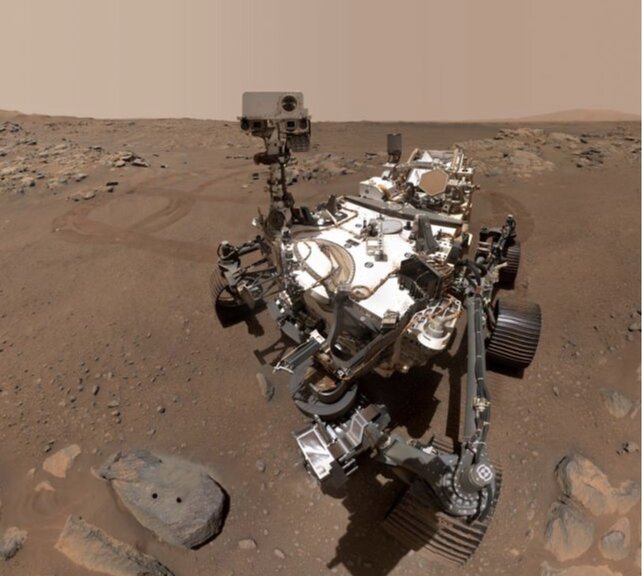
Thí nghiệm của MOXIE
Quá trình chiết xuất oxy hoạt động bằng phương pháp điện phân, sử dụng dòng điện để thúc đẩy quá trình phân hủy điện hóa carbon dioxide thành các nguyên tử cấu thành của nó. MOXIE hút không khí sao Hỏa qua một bộ lọc để lọc sạch. Không khí sao Hỏa đã được tinh chế này sau đó được nén, làm nóng và gửi qua Máy điện phân Solid OXide (SOXE). Máy điện phân tách carbon dioxide thành các ion carbon monoxide (CO) và oxy (O2).
Khí CO được đẩy ra ngoài, nhưng các nguyên tử oxy được kết hợp lại thành oxy phân tử, loại oxy mà chúng ta cần để tồn tại. Khí này sau đó được đo về số lượng và độ tinh khiết trước khi được đưa ra ngoài trở lại.
Sau vài giờ khởi động, MOXIE thu thập oxy trong 1 giờ cho mỗi thử nghiệm, sau đó là khoảng thời gian tắt nguồn. MOXIE được thiết kế để tạo ra tới 10 gram oxy cho một phi hành gia trong khoảng 20 phút. Điều này cho thấy rằng, dù bầu khí quyển sao Hỏa mỏng và loãng đến đâu, nó vẫn có thể cung cấp oxy.
Ngay cả trong trường hợp xấu nhất, một thiết bị như MOXIE sẽ có thể bổ sung các nguồn cung cấp oxy khác, giảm lượng hàng hóa cần vận chuyển từ Trái đất tới các hành tinh trong tương lai.
Với những gì đã học được từ MOXIE, các nhà nghiên cứu, nhà vật lý và điều tra viên chính của MOXIE Michael Hecht của MIT tin rằng họ có thể phát triển một hệ thống quy mô đầy đủ bao gồm một phiên bản mới và cải tiến của thiết bị chiết xuất oxy.


