
On April 7 (local time), in a meeting with US Secretary of State Marco Rubio, New Zealand Foreign Minister Winston Peters emphasized the serious economic impacts that the conflict in Iran has caused on New Zealand and the Pacific island nations.
Mr. Peters affirmed that the US needs to understand its responsibility for the stability of this region, which is extremely vulnerable to supply shocks and imported fuel prices.
To respond proactively, New Zealand has asked the US to be ready to mobilize auxiliary oil tankers to New Zealand to distribute as quickly as possible across the Pacific. "We ask them not to wait until an incident occurs to act. Get ready right now," Mr. Peters shared.
Previously, leaders of Samoa and Tonga also expressed deep concern and called for urgent support for oil supplies to avoid a widespread energy crisis.
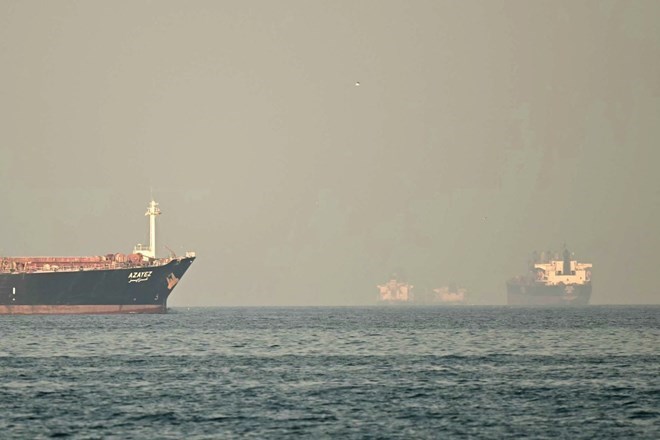
This discussion took place immediately after the US and Iran reached a 2-week ceasefire agreement through Pakistan's diplomatic efforts. This agreement helped cancel US President Donald Trump's ultimatum to threaten widespread destruction if Iran does not surrender.
Before US President Donald Trump's tough statements about closing the Strait of Hormuz, Mr. Peters declined to comment directly and said that this is the time for "cold heads" to avoid wrong decisions.
Although assessing that the relationship between Wellington and Washington is at a good level, the New Zealand Foreign Minister remained cautious when asked about the closeness between the two countries. He emphasized that mutual understanding and respect are more important than social praise.
New Zealand's proactive search for energy guarantees from the US shows that the Pacific region is struggling against geopolitical fluctuations from half a world away.


