
Tehran's nuclear program remains the main bottleneck in negotiations with Washington. US President Donald Trump demands that Iran dismantle all nuclear infrastructure and hand over uranium. This proposal has been rejected by Tehran.
Meanwhile, Moscow has repeatedly requested to receive this nuclear material.
Although Iran has signaled its willingness to consider it, according to Kremlin spokesman Dmitry Peskov, the US has rejected this option.
In an interview published in the Strana Rosatom internal newspaper on April 18, Mr. Likhachev affirmed that Rosatom is still ready to support. Rosatom is the construction, operation and partner of Iran's Bushehr nuclear power plant.
The leader of the Russian nuclear energy corporation emphasized that, in addition to the technical complexity of uranium relocation, the key factor of any agreement is still trust, which Russia can provide.
Only Russia has positive experience in cooperation with Iran. In 2015, at Iran's request, we transported enriched uranium. Currently, we are still ready to support this issue," he said, calling it one of the most sensitive contents of negotiations between the US and Iran.
Mr. Likhachev also added that Rosatom is closely monitoring US-Iran negotiations.
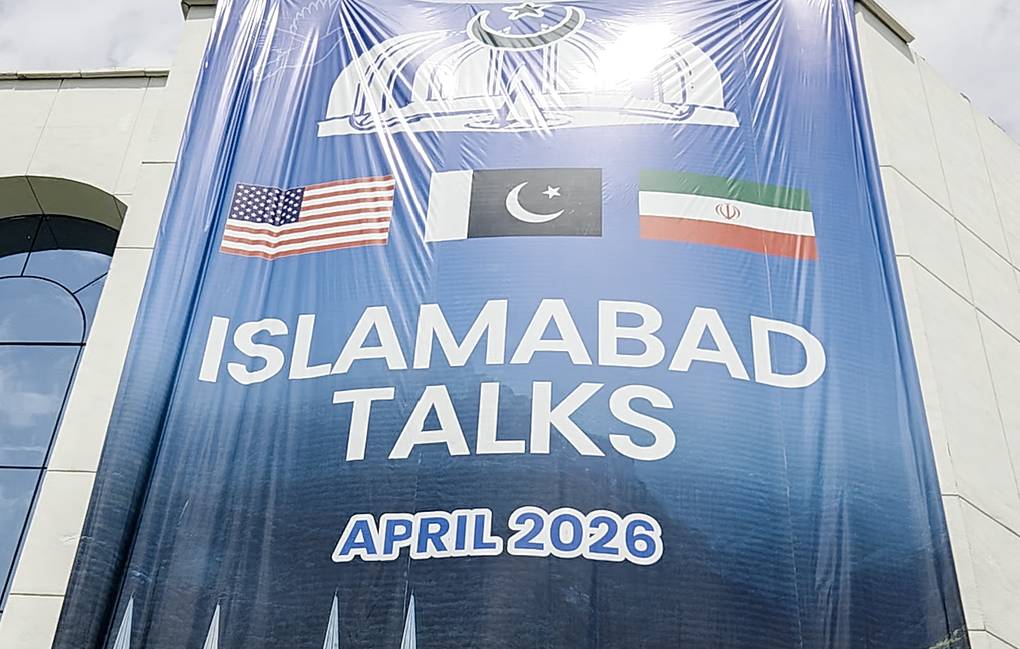
According to the International Atomic Energy Organization (IAEA), Iran currently possesses more than 400kg of uranium enriched at 60%, almost equal to the level of weapons.
The US demands "returning home" all Iranian uranium, imposing an enrichment ban for 20 years, and dismantling key facilities such as Natanz and Fordow.
Tehran has rejected these proposals. Instead, Iran proposed diluting uranium under the supervision of the IAEA and agreed to freeze the program for a limited period of about 5 years.
Iran also opposes the dismantling of nuclear facilities, and demands the lifting of sanctions, access to frozen assets and ensuring that the US does not withdraw from any future agreements, as well as linking potential agreements with a broader ceasefire in the region.
Previously, Iranian Foreign Ministry spokesman Esmail Baghaei affirmed that he would not hand over uranium to Washington, calling it an "as sacred as Iranian territory" asset.
On April 18, Iranian Deputy Foreign Minister Saeed Khatibzadeh continued to emphasize Tehran's position, saying that Iran is not ready to resume negotiations with the US due to maximum requirements related to enriched uranium.
I can affirm that no enrichment materials have been transferred to the US," Mr. Khatibzadeh said on the sidelines of the Antalya Diplomatic Forum in Turkey.


