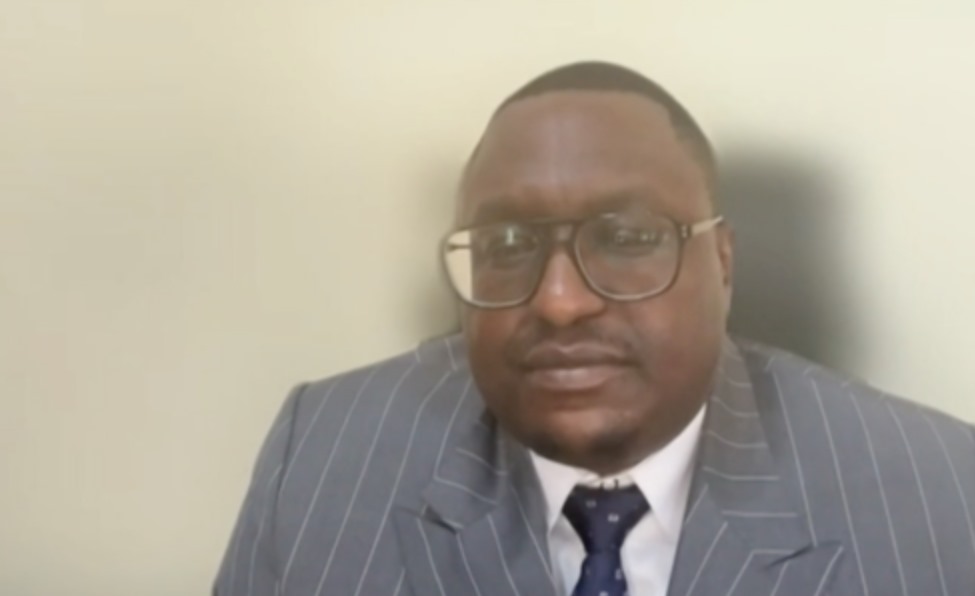
In an exclusive interview with RT, Associate Professor Kudzai Dominic Chiwenga, founder and chairman of the Zimbabwe-Russia NPC Youth Foundation, said the BRICS New Development Bank (NDB) is designed to provide a “fairer system” for member states and other developing countries.
Although the International Monetary Fund (IMF) was originally set up to assist developing countries, many countries, including Zimbabwe, found themselves trapped in a debt cycle, with high interest rates and unfavourable borrowing conditions, he claimed.
Mr Chiwenga believes the NDB can provide more equitable financial support and act as a “breath of fresh air” for countries looking for alternatives to traditional global financial institutions. “It is an open-door policy for other countries,” he added.
The NDB was established in 2015 by the BRICS countries - Brazil, Russia, India, China and South Africa - to mobilize resources for infrastructure and sustainable development projects in the bloc and other emerging markets.
As part of its expansion, the bank welcomed Bangladesh, Egypt, the United Arab Emirates (UAE) and Uruguay as new members in 2021. In September 2023, Algeria was also granted membership.
Mr Chiwenga highlighted the importance of the economic strategies Zimbabwe is developing, including the country’s new currency, Zimbabwe Gold (ZiG), which is backed by gold. The associate professor explained that this is part of a broader effort to anchor the Zimbabwean economy to its abundant natural resources, especially minerals.
"In Africa, we are rich in minerals and of course we want to anchor our economy in the areas where we are strongest," he said, referring to Zimbabwe's struggles with inflation and the impact of economic sanctions.
Mr Chiwenga said Zimbabwe has maintained a long-standing policy of promoting friendly relations with countries across the globe, including strong ties with Russia.
According to the Associate Professor, the partnership between Harare and Moscow dates back to the Soviet era, when the African state sought support during its liberation from colonial rule.
The Soviet Union was one of the few countries to support Zimbabwe during this crucial time, and the relationship continues to thrive to this day.
Despite external criticism, Zimbabwe remains committed to maintaining friendship and promoting joint cooperation in key areas such as agriculture, energy, education, tourism, technology and innovation, he noted.