
On January 9, The New York Times quoted sources from the White House as saying that US President Donald Trump had given a decisive view on the fate of the Venezuelan leader. This move is seen as the end of speculation about a diplomatic solution or political amnesty for Mr. Maduro after a series of volatile events.
According to the report of the US newspaper, in a direct interview, reporters frankly questioned the possibility of the President issuing an amnesty order for a group of individuals being prosecuted in the US, in which the central figure is Mr. Nicolas Maduro.
In response, Mr. Trump clearly stated that he "has no intention" of signing an amnesty order for the names mentioned. This statement means that Mr. Maduro will face strict proceedings at the US federal court system without any "rescue" from the executive branch.
Previously, the legal situation of the Venezuelan President became extremely tense after a series of events starting from January 3. At that time, Venezuelan Foreign Minister Yvan Gil Pinto accused the US of carrying out "military invasions" targeting civilian and military facilities in the capital Caracas, forcing the country to declare a state of emergency.
Immediately after the military developments, the US confirmed that it had carried out an operation to arrest Mr. Maduro and his wife and take them out of Venezuelan territory. Both were later transferred to a high-security detention facility in Brooklyn County, southern New York.
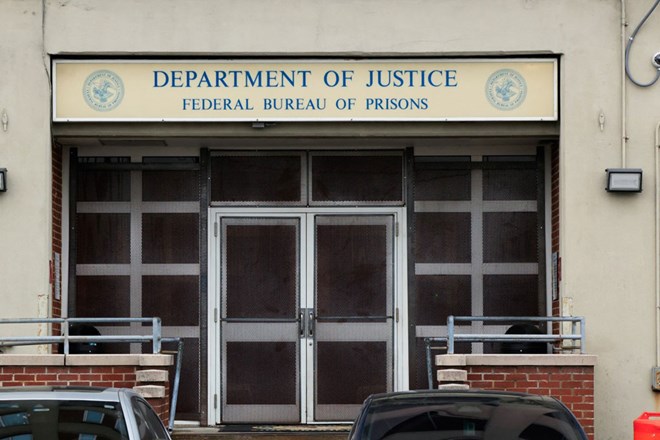
By January 5, Mr. Maduro and his wife had made their first appearance before the Federal Court of Southern New York. Here, US prosecutors filed serious charges, accusing Venezuelan leaders of being directly involved in international drug trafficking activities. Standing before the dock, both defendants resolutely refused to plead guilty.
With the latest statement from Mr. Trump, observers believe that the US administration wants to send a tough message: There will be no leniency or political compromise, and this case will be resolved entirely based on the rulings of the criminal court.


