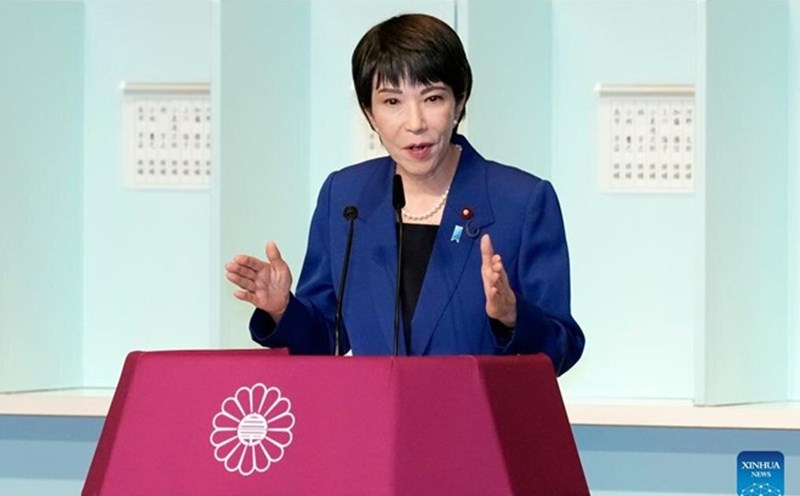
At a meeting with Japanese Prime Minister Sanae Takaichi on March 19, when asked by reporters about the fact that allies were not informed in advance about the Iran offensive campaign, US President Donald Trump emphasized the importance of the surprise factor in military affairs.
To illustrate his point of view, Mr. Trump recalled the Pearl Harbor event in 1941. He said that maintaining security is key to ensuring the effectiveness of strikes, and said that Japan is the country that understands the most the value of surprise in military history.
This statement created a noteworthy moment in the talks. Observers discovered that Prime Minister Takaichi had maintained a moderate silence on sensitive content related to World War II history. The Japanese side has not yet made an official comment on Mr. Trump's answer, reflecting Japan's cautious approach to maintaining a solid strategic partnership with the US, despite differences in military consultation methods.
The meeting takes place in the context of the US's efforts to lobby Japan and its allies to increase security support in the Strait of Hormuz after the outbreaks of conflict. Washington hopes Tokyo can play a more active role in protecting this vital maritime route.
However, the Japanese government is still carefully considering support options to comply with the Constitution and ensure its balanced diplomatic position in the Middle East region.
The US prioritizing security in recent military operations in Iran shows a new strategic direction of the Trump administration: placing ground effectiveness above the usual multilateral consultation process.
Currently, both the US and Japan are making efforts to find common ground to ensure that global energy flows are not interrupted by blockades from Iran.